


 Shkruar nga Pamfleti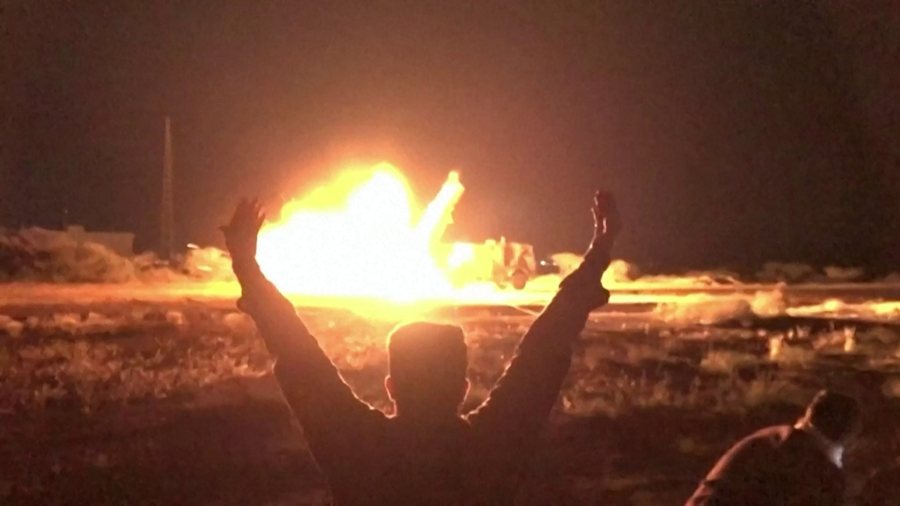
Iran's leaders may overestimate their ability to pursue this strategy, but they believe that their willingness to escalate served the country well in the first phase of the conflict and that war may be the only way to convince Trump to take diplomacy seriously...
The US and Iran are sliding back into war. This is not because either country misunderstood the terms of the memorandum of understanding they signed to end the first phase of the conflict. The Memorandum of Understanding was vague and open to misinterpretation, but its main flaw was that it was based on preserving the balance of power at the time of its signing, a balance that Washington was determined to change and Tehran was determined to protect.
The US launched the war in February with the aim of overthrowing the Islamic Republic or, alternatively, forcing it to accept an American dictate limiting its nuclear program and regional role. Instead, the war gave Iran a strategic victory: control of the Strait of Hormuz, an obstacle that forced the US to agree to the Memorandum of Understanding.
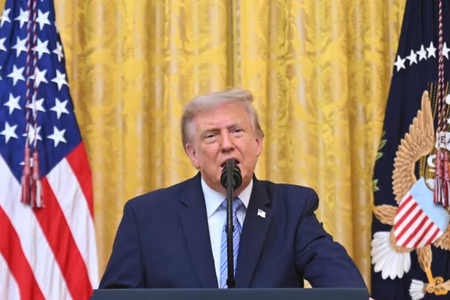
Iranian leaders suspected that the Memorandum of Understanding was a temporary withdrawal by the US, intended to ease pressure on the global economy and prepare for another round of war. US Vice President JD Vance even suggested publicly that President Donald Trump liked the deal because it would give America time to replenish its dwindling strategic oil reserves.
They saw plenty of evidence to support their suspicions. There was no unblocking of Iranian assets; a U.S.-brokered deal between Israel and Lebanon ignored Iran’s demands for a ceasefire there; more U.S. military assets began arriving in the Gulf region; and Washington encouraged commercial ships to ignore Tehran’s instructions to coordinate with its authorities and sail through Iranian channels as they passed through the Strait of Hormuz. Some ships then passed through channels near the Omani coastline. Washington expected this would weaken Iran’s claim to control the strait and its ability to enforce it.
Each of these, on its own, may not have been a major violation of the Memorandum of Understanding, but together they represented a concerted effort to erode the influence that Iran had gained during the war and that was reflected in the ceasefire agreement.
Iran’s current rulers believe that any show of restraint will only invite more American pressure. To discourage the US and force it to negotiate seriously to end the war and a broader nuclear deal that would give Tehran the security and economic relief it desires, they believe that Iran must be aggressive and escalate the conflict beyond what the US is prepared to tolerate.
The one point of influence that Iran is not prepared to give up is its claim to the Strait of Hormuz and its ability to control access to it. Losing dominance in the strait would leave Iran with no leverage in future negotiations. Iran’s leaders have decided that maintaining control of the strait is essential to securing future victories at the negotiating table and to ensuring that the US implements the deal rather than walking away from it.
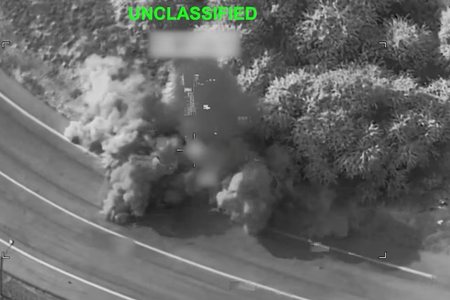
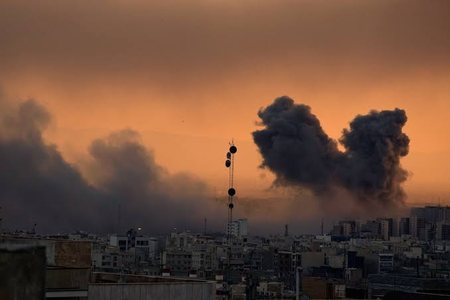
Last week’s massive turnout at the funeral of slain Supreme Leader Ali Khamenei was also instrumental in convincing Iran’s leaders that the population would support a tough stance on the strait, which has become a popular nationalist cause. It was in this context that Iran decided to thwart U.S. plans to open the strait by attacking two tankers sailing near the coast of Oman. This show of force provoked a deliberate, massive U.S. response: a prolonged bombing campaign to destroy Iran’s drone and missile batteries along the Gulf coast and military and civilian infrastructure across the country, to increase the cost of resistance.
But Iran had expected war. It may have resumed sooner than expected, but Tehran sees an advantage in this: if war is inevitable, Iran is better off waging it before the US has had time to fully reorganize and the global economy has had time to recover from energy and supply chain shocks.
Iran will therefore seek to withstand US military pressure and intensify its attacks on US military targets and energy and civilian infrastructure throughout the Gulf. Its aim is to signal that the war will not remain at the level Washington chooses. Meanwhile, Tehran will accept the inevitable economic hardship that another US naval blockade will bring, believing that its pressure on the global economy by closing the Strait of Hormuz, and potentially the Bab el-Mandeb Strait and the Red Sea, will force Trump to close it first.
Iran's leaders may overestimate their ability to pursue this strategy, but they believe that their willingness to escalate served the country well in the first phase of the conflict and that war may be the only way to convince Trump to take diplomacy seriously.
The Iranian regime is engaged in an existential battle. It is betting that its willingness to endure more pain gives it an advantage that will serve it well at a future negotiating table./Adapted from “Pamphlet” by “FinancialTimes”



Lini një Përgjigje