


 Shkruar nga Pamfleti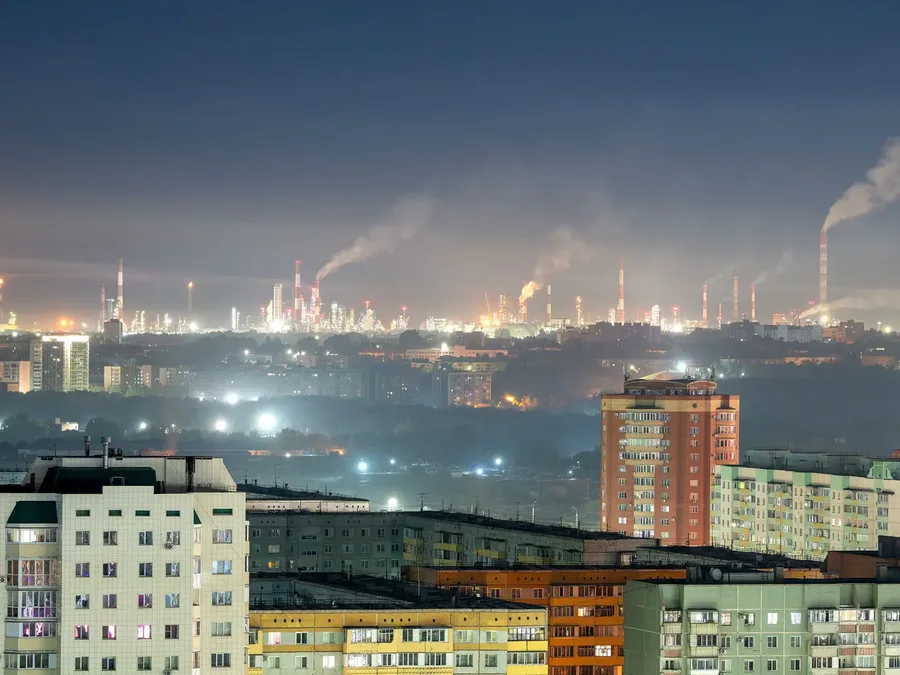
Just as Western sanctions began to take effect, the blockade in the Gulf states increased demand for Russian oil and gas. Europe is increasingly finding itself in a dilemma...
The war with Iran and the resulting surge in oil and gas prices are bringing Russia billions in additional revenue. For the Kremlin, it’s a windfall that’s filling its war chest, just as the effects of international sanctions were becoming increasingly apparent and the hole in Russia’s budget was starting to hurt. The Center for Research on Energy and Clean Air (Crea) estimates that Russia earned about $12 billion from oil and gas exports in the first weeks of March. Extrapolated to the entire month, that would be equivalent to about $17.6 billion, an increase of about 25% compared to February.
Sergei Vakulenko of the Carnegie Endowment for International Peace, a think tank that has previously worked on Russia’s energy sector, comes to a similar conclusion. He predicts an additional $7 billion to $8 billion in revenue for the Russian state from oil and gas exports alone, double last month’s figure. Including company revenue, he estimates the additional revenue for March at about $12 billion.
Supply shortage in Asia
Russia has benefited from the Israeli-American attack on Iran and its blockade of the Strait of Hormuz, a key gateway for raw material exports from the Persian Gulf. Energy prices have risen sharply since the war began, as only a few ships can navigate the strait. At the same time, many import-dependent countries are experiencing shortages of goods such as gasoline and liquefied petroleum gas (LPG), which are derived from oil and natural gas.
To stabilize the global supply situation, the US Treasury Department has even temporarily allowed the purchase of previously sanctioned Russian crude oil, which is stored in tankers at sea. This mainly benefits China and India, both of which are heavily dependent on imports.
But even the Philippines, a U.S. ally, was forced to resume importing Russian oil after a years-long hiatus after a tanker bound for Manila failed to sail through the Strait of Hormuz and subsequently failed to deliver. South Korea, also a Washington partner, has been buying Russian naphtha, a distillate of crude oil used as a solvent in industry. Sri Lanka also intends to buy fuel from Moscow.
Rritja e kërkesës reflektohet në çmimin e naftës bruto ruse, e cila u dyfishua brenda një muaji. Ndërsa një fuçi nafte bruto Ural kushtonte 40 dollarë në portin baltik të Primorskut në fund të shkurtit, çmimi arriti në 93.40 dollarë në fund të marsit, niveli më i lartë në katër vjet, sipas të dhënave nga Bloomberg dhe Argus.
Rusia mund të shfrytëzojë pozicionin e saj në treg
Rusia po zgjidhet gjithnjë e më shumë si furnizuese e plehrave. Plehrat kërkojnë substanca të nxjerra nga gazi natyror, siç janë ureja dhe amoniaku, për prodhimin e tyre. Rusia ka gaz natyror të mjaftueshëm për këtë qëllim dhe e ka zgjeruar pozicionin e saj në treg. Tani ajo mund ta shfrytëzojë këtë për të ndjekur objektivat e saj politike.
Sipas një vlerësimi nga Dhoma e Tregtisë Gjermano-Ruse, të ardhurat për eksportuesit rusë të plehrave mund të jenë 6.4 deri në 10.2 miliardë dollarë më të larta këtë vit sesa në vitin 2025 për shkak të krizës në Gjirin Persik.
Kjo e ka përmbysur situatën për Moskën. Gjatë muajve të dimrit, të ardhurat shtetërore nga shitjet e mallrave kishin rënë ndjeshëm. Sanksionet amerikane kundër kompanive të mallrave Rosneft dhe Lukoil ishin veçanërisht të dhimbshme. Çmimi i naftës bruto ruse kishte rënë edhe nën 59 dollarë për fuçi në disa raste, shifra që Kremlini pretendon se i nevojitet për një buxhet të ekuilibruar. Që nga fillimi i konfliktit në Lindjen e Mesme, çmimi me të cilin mund të shitet nafta bruto ruse është rikuperuar. Kërkesa nga rafineritë indiane është aktualisht aq e lartë sa ato po paguajnë edhe një premium për naftën bruto ruse krahasuar me naftën referuese Brent.
Situata financiare e Kremlinit po përmirësohet
Situata e re në tregjet e mallrave ka zvogëluar urgjencën e rregullimeve fiskale. Vetëm në fillim të marsit, dukej se Departamenti i Thesarit do të duhej të zbatonte shkurtime të përgjithshme të shpenzimeve në të gjitha zërat e buxhetit për të mbajtur buxhetin të ekuilibruar.
Ministri i Financave Anton Siluanov donte gjithashtu të përshtatte të ashtuquajturin rregull buxhetor, sipas të cilit të gjitha të ardhurat nga shitjet e naftës mbi një prag të caktuar derdhen në fondin kombëtar të pasurisë. Pragu ishte vendosur shumë i lartë për çmimet e ulëta të naftës para fillimit të Luftës Iran-Irak. Tani, ndryshimet janë shtyrë për momentin. Shkurtimet e gjera buxhetore gjithashtu duket se janë jashtë diskutimit për momentin.
Megjithatë, shifrat për të ardhurat ruse në mars duhet të kuptohen vetëm si vlerësime të përafërta. Një faktor lehtësues janë sulmet ukrainase me dronë ndaj objekteve ruse të naftës. Në javët e fundit, këto sulme kanë synuar jo vetëm rafineritë e mëdha në brendësi të Rusisë, por edhe portet thelbësore për eksportin e naftës bruto dhe gazit natyror të lëngshëm.
Kiev drones targeted the ports of Primorsk and Ust-Luga in the Gulf of Finland, causing significant damage. This has led to a temporary disruption of the production and export of Russian energy goods. According to reports from news and data provider Bloomberg, the number of tankers handled in the last week of March fell by two-thirds.
However, according to Bloomberg, Russian oil exports by ship averaged 3.31 million barrels per day in the 28 days leading up to March 29. Assuming a price of $75 per barrel, this would generate revenue of nearly $7 billion.
If crude oil prices remain high through the end of the year, Russia could generate an additional $40 billion in revenue, according to Bloomberg.
Europe loses another source of supply
For Europe, which is trying to reduce its dependence on Russian imports in response to Moscow’s attack on Ukraine, the situation is now becoming precarious. With the war in the Middle East, a second important source of supply has dried up. Although the US exports large quantities of oil and natural gas, there are many other potential buyers in Asia. Given the already strained relationship between Washington and Brussels, European countries would probably prefer not to become even more dependent on this unpredictable partner.
Voices in Europe are soon becoming louder again, speaking out against abandoning Russian energy sources.
Under its Kremlin-friendly prime minister, Viktor Orbán, Hungary continues to import large amounts of oil and natural gas from Russia. So far, it has refused to give up these cheap energy imports.
Furthermore, in March, Belgian Prime Minister Bart De Wever called for the normalization of relations between Europe and Russia in order to guarantee energy supplies.
While Europe is in an uncertain situation, Russia is increasingly in a more favorable position. /Adapted from NZZ /






Lini një Përgjigje