


 Shkruar nga Pamfleti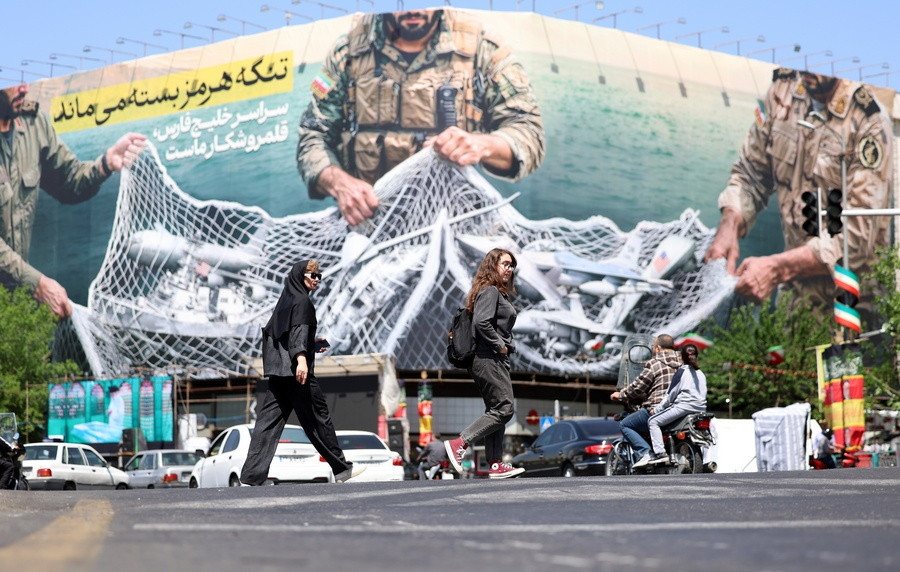
US intelligence assessments remain unchanged as tensions continue following the US-Iran ceasefire.
Based on estimates from US intelligence services, it would take Iran between 9 months and 1 year to build a nuclear weapon, an estimate that has not changed since last summer.
Sources familiar with the matter, Reuters reports, say that US analysts had concluded that a possible US-Israeli attack had pushed that deadline back by up to a year. Assessments of Tehran's nuclear program remain broadly unchanged, even after two months of conflict launched by US President Donald Trump, in part to prevent the Islamic Republic from developing nuclear weapons.
According to the International Atomic Energy Agency (IAEA), Iran possesses significant quantities of highly enriched uranium, enough to be used to produce up to 10 nuclear bombs if further enriched. However, the agency has not been able to verify the location or condition of about 440 kilograms of uranium enriched to 60%.
“As far as we know, Iran still possesses all of its nuclear material ,” said Eric Brewer, a former senior U.S. intelligence analyst who has led assessments of Iran’s nuclear program. He added that the material is likely stored in deep underground facilities that U.S. munitions cannot penetrate.
Iran has repeatedly denied that it intends to develop nuclear weapons.
US intelligence services and the IAEA estimate that Tehran halted its nuclear weapons development program in 2003. Some US officials, including Secretary of State Marco Rubio, have argued that US attacks on Iranian air defense systems have reduced the nuclear threat, weakening Iran's ability to protect its facilities if it decides to accelerate weapons production.
White House spokeswoman Olivia Wales said US military operations had destroyed Iran's nuclear facilities and severely damaged its defense industry. She stressed that President Trump had made it clear that Iran "can never have a nuclear weapon."
Meanwhile, US Vice President JD Vance wrote on the X platform on March 2: "Iran must never be allowed to have nuclear weapons. That is the goal of this operation."
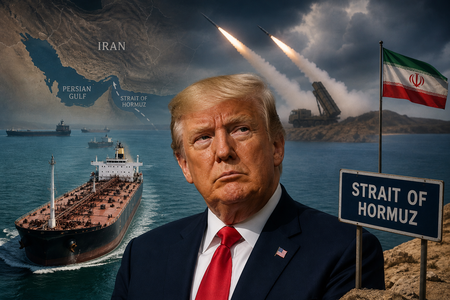
The fighting has stopped since the US and Iran agreed to a ceasefire on April 7, with the aim of moving towards peace. However, tensions remain high. Iran has restricted passage through the Strait of Hormuz, blocking about 20% of global oil supplies and causing a global energy crisis.
In recent weeks, according to Reuters, US officials have been considering risky options to significantly hamper Iran's nuclear program, including ground operations to recover nuclear material believed to be stored in underground facilities in Isfahan.
Another factor contributing to the situation is the assassinations of top Iranian nuclear scientists by Israel. David Albright, a former UN nuclear inspector and director of the Institute for Science and International Security, said these actions have increased uncertainty about Iran's ability to build a functional weapon.
"I think everyone agrees that knowledge cannot be destroyed by bombing, but expertise can be severely damaged ," he said. / Pamphlet /






Po sikur tua jape Rusi e Kina si i behet? Sekretet e medha nuk i di kush pervecse kush i ka. Kaq ka nje shtet e kaq ka tjetri jane pallavra me bisht.