


 Shkruar nga Pamfleti
How real is Vučić's warning of an attack from Tirana, Zagreb and Pristina?
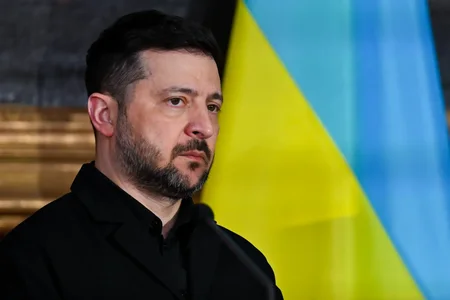
Serbian President Aleksandar Vučić has intensified his statements about what he calls the “ biggest security threat ” to the country, referring to the military alliance between Croatia, Albania and Kosovo. After meetings with European officials, he claimed that this alliance was created with the aim of attacking Serbia.
Speaking on February 13 at the Munich Security Conference, Vučić told reporters: “ I have raised the issue of the military alliance between Tirana, Zagreb and Pristina, I am waiting for an answer… maybe I will get that answer before they take action .” He stressed that he expects concrete action from this alliance towards Serbia.
Even during the ceremony of awarding decorations for the Statehood Day, the Serbian president declared that "the alliances that are being created against us serve to prepare a unified field of action on an 'eastern front', where Serbia is seen as a 'stone in the shoe'". According to him, these alliances aim to "attack Serbia from different directions at the moment when a war bigger than today's breaks out".
However, his statements have met with strong reactions from the Serbian opposition.
Radomir Lazovic, co-chairman of the Green Left Front, told the newspaper Danas that this is a well-known political tactic. “ This is Vučić’s proven method of creating enemies from neighboring countries, so that he and the SNS can present themselves as the saviors of Serbia,” he said. According to Lazovic, Serbia’s interest is to develop good relations, deepen cooperation and increase trade and cultural exchanges. “Only Vučić benefits from conflicts ,” he added, accusing the president of aiming to intimidate the electorate and consolidate his base after his support has fallen.
An even more direct critic was Srđan Milivojević, leader of the Democratic Party. He declared that “there is no external enemy that can do as much harm to Serbia as Aleksandar Vučić.” According to him, as long as Vučić is in charge, states that supposedly have offensive intentions “can send their armies on vacation.” Milivojević argued that the rhetoric of external danger serves to divert attention from domestic problems and to justify increased military spending.
Along the same lines, Janko Veselinovic from the Freedom and Justice Party stated that citizens in the region would benefit more from investments in infrastructure and living standards than from armaments. “ We are talking about governments that do not care about the needs of citizens, but buy weapons, which has never brought stability to this region ,” he said.
Meanwhile, Pavle Grbovic, the leader of the Movement of Free Citizens, linked the situation to Serbia's strategic orientation. According to him, the alliance in question "is not about any plan to attack Serbia, but about Pristina's - and not only its - ambition to integrate into NATO." He described Serbia's policy of "neutrality" as isolation from major European processes and added that the lack of clear strategic decisions is being replaced by "intimidation of citizens."
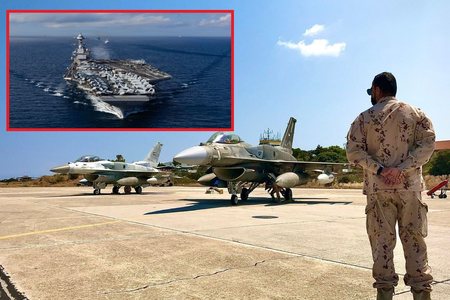
Meanwhile, Vučić has announced increased investments in defense and the domestic arms industry, emphasizing that Serbia will purchase a larger share of its military production.
The debate over Serbia's security and geopolitical orientation is deepening, while clashes between the president and the opposition point to strong tensions on the domestic political scene. / Adapted from " Danas "


Lini një Përgjigje