


 Shkruar nga Pamfleti
Belgrade tries to maintain military neutrality by balancing between the West, Russia and China, in an increasingly polarized geopolitical climate.
Serbia is pursuing a balancing strategy between NATO, Russia, and China to maintain military neutrality and a European perspective.
Belgrade has resumed practical cooperation with NATO through joint exercises, while facing pressure from Moscow over its stance on the war in Ukraine and the issue of arms exports.
At the same time, Belgrade is strengthening its defense capabilities through cooperation with China, diversifying its strategic partners.
This multi-pronged approach aims to avoid dependence on a single bloc, but it becomes increasingly difficult in a polarized international climate.
IBNA's analysis highlights that Serbia's room for maneuver is narrowing, as every decision in the security field takes on greater geopolitical weight, testing the sustainability of its neutrality.
Full analysis
Serbia is trying to maintain its policy of military neutrality without falling into isolation, reviving cooperation with NATO, while managing Russian pressure on the Ukraine issue and simultaneously strengthening defense capabilities through cooperation with China. This situation creates an increasingly fragile balance, with direct consequences for both Belgrade's European path and geopolitical stability in the Western Balkans.
Serbia is navigating an increasingly demanding geopolitical environment as it prepares for a joint military exercise with NATO, faces public statements from Moscow about its stance on the war in Ukraine, and simultaneously strengthens its defenses through cooperation with China. These parallel developments clearly reflect the multi-pronged strategy pursued by Belgrade, but also its limitations in a period of increasing polarization in Europe.
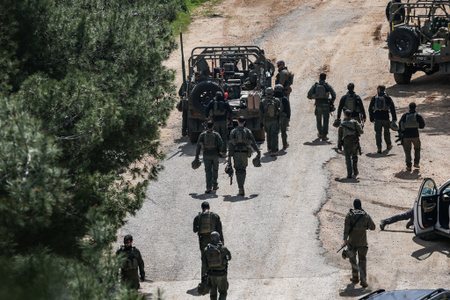
As part of its relations with the West, Serbia has planned a joint exercise with NATO forces in May at the Borovac training range near Bujanovac. According to the NATO command in Naples, the exercise will take place at Serbia's invitation and in accordance with its declared policy of military neutrality. This will be the first such joint activity in almost eight years, giving the initiative a special political and symbolic significance.
Analistët në Serbi theksojnë se ky hap nuk e minon neutralitetin ushtarak të vendit, por reflekton nevojën për të ruajtur kanale funksionale bashkëpunimi me Aleancën. Konsulenti për gjeopolitikë dhe siguri, Nikola Luniç, siç raporton RTS, vlerëson se stërvitja ka kryesisht karakter operacional, pasi rrit gatishmërinë e ushtrisë serbe për të vepruar në një mjedis ndërkombëtar dhe në situata krize. Në të njëjtën linjë, Marko Savkoviç nga Qendra për Çështje Ndërkombëtare dhe Siguri thekson se iniciativa për zhvillimin e stërvitjes erdhi nga vetë Beogradi, duke treguar se udhëheqja serbe synon të mbajë të hapur bashkëpunimin me NATO-n, duke ruajtur një distancë të qartë politike nga integrimi i plotë euroatlantik.
Ky bashkëpunim nuk është i ri. Edhe pse Serbia nuk është anëtare e Aleancës, ajo merr pjesë prej vitesh në programin “Partneriteti për Paqe”, ndërsa marrëdhëniet me NATO-n kanë edhe një dimension praktik sigurie, kryesisht përmes pranisë së KFOR-it në Kosovë. Megjithatë, në opinionin publik serb, çdo hap i tillë rikthen debatin mbi qëndrueshmërinë e neutralitetit ushtarak në një mjedis ku pozicionet e ndërmjetme po ngushtohen.
Në të njëjtën kohë, Moska duket se po i rikujton Beogradit kufijtë që i konsideron të pranueshëm. Ministri i Jashtëm rus, Sergei Lavrov, deklaroi se Bashkimi Evropian i kërkon Serbisë të harmonizojë politikën e saj të jashtme dhe të mbrojtjes me atë të Brukselit si kusht për vazhdimin e rrugës drejt anëtarësimit në BE. Sipas Lavrovit, kjo kërkesë përkthehet në mbështetje për qëndrimin evropian ndaj luftës në Ukrainë dhe, në mënyrë më të gjerë, në distancim nga ndikimi politik rus.
Lavrov theksoi veçanërisht çështjen e transferimit të armëve serbe drejt Ukrainës, duke argumentuar se Moska e konsideron të papranueshëm çdo zhvillim të tillë dhe pret që Serbia të respektojë angazhimet për të mos dërguar materiale ushtarake në Kiev. Deklaratat e tij lidhen me pretendimet e mëhershme të Shërbimit të Inteligjencës së Jashtme të Rusisë (SVR), sipas të cilave armë ose municione të prodhuara në Serbi kanë arritur në Ukrainë përmes vendeve të treta. Nga ana e tij, presidenti serb Aleksandar Vuçiç ka deklaruar se legjislacioni serb nuk lejon eksport të drejtpërdrejtë armësh në Ukrainë, duke pranuar megjithatë se produktet e industrisë së mbrojtjes mund të arrijnë atje përmes rrugëve të tjera. Beogradi ka vendosur gjithashtu kontrolle më të rrepta dhe leje të posaçme për eksportin e municioneve jashtë vendit.
In this context, Serbia’s defense cooperation with China takes on added importance. As IBNA previously reported, Belgrade is moving forward with strengthening its arsenal with Chinese missile systems, a development that has raised concerns in neighboring countries, especially Croatia. This move is not isolated, but part of a broader strategy to diversify suppliers and deepen relations with non-Western partners in the defense field. For Serbia, cooperation with Beijing serves not only to increase military capabilities, but also as a signal that it does not intend to fully rely on the West for its security architecture.
The main feature of Serbia's strategy remains the search for a balance between competing centers of power. On the one hand, Belgrade aims to keep its European perspective open and to cooperate operationally with NATO when this serves its interests. On the other hand, it seeks to avoid a breakdown in relations with Russia and, at the same time, to deepen cooperation with China in the defense and technology sectors. This balance has been easier to manage in a more flexible international environment, but today, with the war in Ukraine escalating the clash between the West and Russia, the room for maneuver is narrowing significantly.
The Serbian leadership now faces a more demanding reality, where every military exercise, every arms export and every new supply carries geopolitical weight that goes beyond the narrow field of defense. The joint exercise with NATO, the public statements of Sergei Lavrov and the strengthening of the arsenal with Chinese systems describe a country that continues to pursue a balancing strategy, at a time when neutrality is being tested more than ever. /Adapted Pamphlet /


Lini një Përgjigje