


 Shkruar nga Pamfleti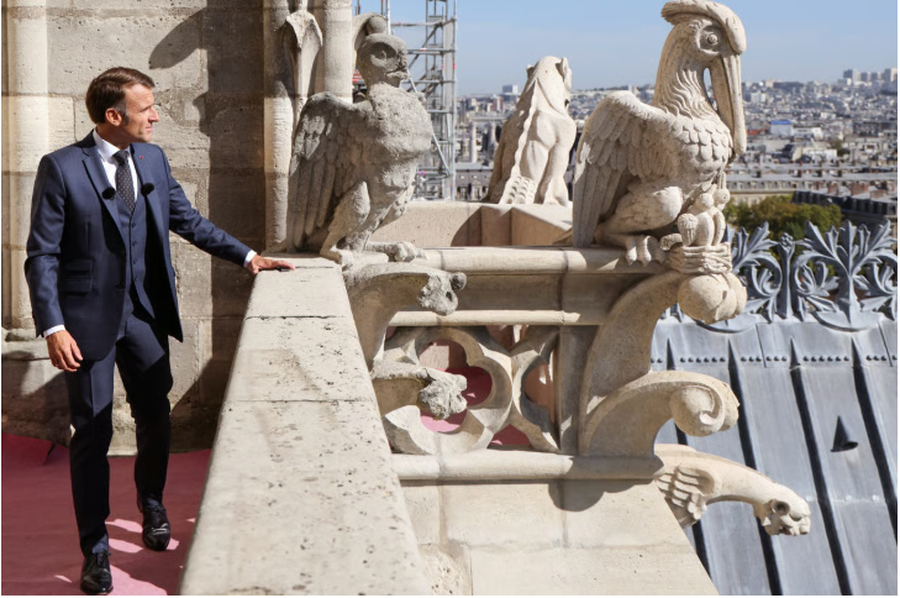
The French president is seeking to build a diplomatic counterweight to US support for Israel, but his efforts won't do much to end the war in Gaza...
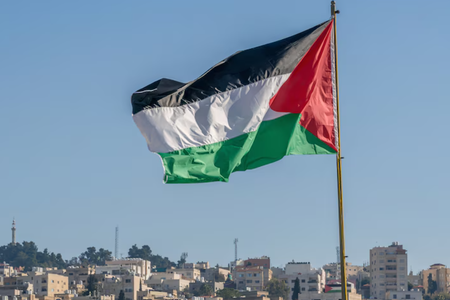
French President Emmanuel Macron wants to pull off a major diplomatic "coup" on Monday by rallying several Western countries to recognize a Palestinian state, but he is far from achieving real progress in Gaza.
The limits of what he can achieve at the United Nations General Assembly are clear. Important European countries like Germany and Italy will not join his initiative, and there is little chance that his efforts will persuade US President Donald Trump or Israeli Prime Minister Benjamin Netanyahu to end the war.
The big idea in New York is to trumpet the recognition of Palestinian statehood by France, the United Kingdom, Belgium, Portugal, Luxembourg, Malta, Andorra, Australia and Canada. A French official called it a "diplomatic victory" for Paris.
Macron's ultimate goal is to show that there is a global counterweight to Trump's support for Israel's war in Gaza and to increase the pressure for peace. Comparisons are already being made to France's challenge under Jacques Chirac to oppose the US invasion of Iraq in 2003, a stance also articulated in a historic speech to the UN.
Of course, there is also a strong domestic political motive. European leaders are aware of their need to cope with the tide of public anger over the war, which is only growing as the death toll in Gaza rises.
Pollster YouGov has found that public support for Israel in Western Europe is falling to historic lows.
But how much influence does Macron really have? Even the French acknowledge that grandstanding and grand gestures in New York will make no immediate difference to the worsening humanitarian crisis in Gaza, as Israeli tanks advance in a ground offensive. Neither Israel nor the United States will back down because of Macron.
Moreover, the French president's attempt to show a united front also reveals how divided Western Europe seems, especially when EU and NATO countries are treading on eggshells around Trump due to the war in Ukraine.
Germany, Italy, Greece and the Netherlands will not sign. German Chancellor Friedrich Merz will not attend either, having more pressing concerns at home. Italy's Giorgia Meloni has insisted she is not in favor of recognizing a Palestinian state "before its establishment" and will arrive a day after Macron's event.
'Nothing changes'
The risk, according to a European diplomat, who was granted anonymity due to the sensitivity of the topic, was that “Israel would take a few steps back” as international pressure mounted against it.
But the diplomat admitted that the pressure did not seem to be bearing fruit: “That does not seem to be happening. The US supports Israel and they are accelerating annexations in the West Bank.”
Another diplomat noted that as long as Israel has the support of "their great ally, the United States with the Iron Dome, that doesn't change anything."
For many observers, however, Macron's move is less about immediate impact and more about creating a defining moment in Europe's relations with Israel.
Europe is haunted by its role in the Holocaust and has taken only "symbolic and small" steps against Israel, said Kristina Kausch, a Middle East expert.
"But developments in the last two years and in recent months have led to the understanding that things cannot continue any longer," she said.
For Kausch, the European Commission’s move last week to impose sanctions and tariffs on Israel represents that radical shift in Europe’s mindset. “It’s unprecedented; trade measures are usually only taken against authoritarian countries like Myanmar or Belarus,” she said.
In the weeks and days leading up to Macron's conference on Palestine, the US and Israel have tried to thwart France's diplomatic offensive.
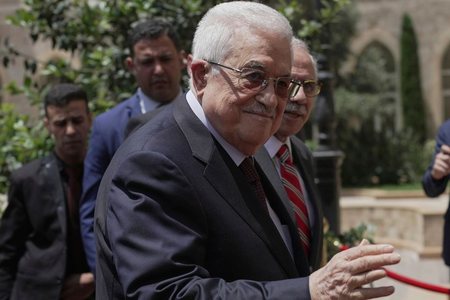
Washington last month refused to grant Palestinian Authority President Mahmoud Abbas a visa to travel to the US to attend the annual United Nations meeting.
Israel is proposing various retaliatory measures against France, and Prime Minister Netanyahu and his allies are making a last-minute effort to convince Macron to link French recognition of Palestinian statehood to the release of the remaining Israeli prisoners held by the Hamas militant group.
"If he ties recognition to the release of hostages, then Israel can swallow it," said an Israeli official.
For France, the negative reaction is proof that its diplomatic efforts are having an effect and that Israel and the US are increasingly isolated.
"Not much will change for the people of Gaza," said former French ambassador to the Mediterranean, Karim Amellal, adding that "but we are seeing alliances changing. It is Israel and the US against most European nations, including Germany, and the dynamics will now emphasize their isolation."
Ish-ambasadori i Francës në Siri, Michel Duclos, bëri paralele të drejtpërdrejta me lëvizjen e Francës kundër luftës në Irak në vitin 2003. “Franca ishte dobësuar politikisht, ekonomikisht, por ishte ende e aftë të kanalizonte ndjenjat e shumicës së vendeve”, tha ai.
Por një paralele tjetër është e qartë gjithashtu. Siç kujton Duclos, kthesa e Francës në qendër të vëmendjes diplomatike në vitin 2003 nuk e pengoi pushtimin e Irakut, apo vitet pasuese të trazirave në të gjithë Lindjen e Mesme.
“Rrezikon të jetë humbje kohe”, tha ai.
Por lista e aktorëve që mbështesin Macro për Palestinën vështirë se mund të konsiderohet si e shkëlqyer.
Kryeministri spanjoll Pedro Sánchez, ai i Belgjikës Bart De Wever, ai i Portugalisë Marcelo Rebelo de Sousa dhe udhëheqës nga Luksemburgu dhe Malta do të marrin pjesë në konferencën e së hënës. Një tjetër fjalim do të vijë nga Mark Carney i Kanadasë dhe Anthony Albanese i Australisë, të cilët pritet të mbajnë fjalime.
Në një shenjë se vendosmëria evropiane për t'u përballur me SHBA-në dhe Izraelin është e brishtë, shumica e udhëheqësve të tjerë evropianë, madje edhe ata me të njëjtat mendime, kanë gjetur arsye për t'iu shmangur konferencës së Macronit.
Kryeministri britanik Keir Starmer po përpiqet të lundrojë midis presionit nga partia e tij dhe shmangies së kritikave të Trump, i cili zhvilloi një vizitë kryesisht miqësore në Mbretërinë e Bashkuar javën e kaluar.
Starmer nuk pritet të marrë pjesë në takimin e OKB-së, duke ia lënë këtë detyrë zëvendëskryeministrit David Lammy dhe Sekretares së Jashtme Yvette Cooper. Ai është përballur me kritika që kur mori detyrën për kohën që ka kaluar jashtë vendit në samite ndërkombëtare, ndërsa disa nga misionet e tij më urgjente brenda vendit mbeten të pazgjidhura.
As kancelari gjerman Merz nuk do të marrë pjesë, duke dërguar në vend të tij ministrin e tij të jashtëm Johann Wadephul. Zyrtarisht, mungesa e Merz është për shkak të çështjeve të brendshme që kërkojnë vëmendjen e tij, siç janë diskutimet parlamentare mbi buxhetin kombëtar të vitit të ardhshëm.
Përplasja e përshtatshme e orarit i lejon gjithashtu kancelarit gjerman, një kundërshtar i vendosur i njohjes së shtetësisë palestineze, të shmangë përballjen e drejtpërdrejtë me Parisin dhe të tjerët në skenën ndërkombëtare. Herë pas here, kancelari dhe qeveria e tij janë shprehur kundër një hapi të tillë.
“Qeveria gjermane aktualisht nuk po shqyrton njohjen e shtetësisë palestineze”, tha Merz të enjten në mbrëmje gjatë një vizite në Madrid, duke shtuar “ne vazhdojmë ta shohim një njohje të tillë si një nga hapat e fundit, jo një nga të parët, në rrugën drejt një zgjidhjeje me dy shtete”.
Duke qëndruar përkrah Sánchez, i cili ka mbajtur një qëndrim veçanërisht të ashpër ndaj Izraelit midis shteteve të BE-së, Merz shtoi “nuk është çudi që mund të kemi mendime të ndryshme për këtë çështje. Sigurisht, kjo ka të bëjë edhe me historinë gjermane.”
Italian Prime Minister Meloni, who has never been a supporter of Macron's initiatives, is also staying away, choosing to arrive in New York the day after the conference. Last week, Italian Foreign Minister Antonio Tajani dismissed moves to recognize Palestine as "absolutely useless."
"Recognizing a Palestinian state today is a way to give yourself a good conscience and does not solve the problem," he told the Italian Senate.
A senior Greek official said the timing was wrong: “We are unreservedly in favor of the creation of a Palestinian state. However, we believe that unilateral recognition at this moment does not produce any useful results.”
On Monday, Macron may be able to bridge the divides among Europeans with a rousing speech and a carefully choreographed conference, but divisions matter when it comes to taking action.
For now, there has not been sufficient support among EU countries to adopt sanctions or tariffs against Israel, with the latter requiring a qualified majority to be passed.
But that could change. According to two diplomats in Brussels, if Israel takes steps such as annexing territory after Macron's statehood conference, EU countries that have so far opposed any EU measures against Israel, particularly Germany, could decide to change their stance.
Even then, however, the real power will remain with Israel's rock-solid allies in Washington. US Secretary of State Marco Rubio has not been stingy with his words about the French president's "reckless" plan, which he calls "a slap in the face to the victims of October 7." / Adapted from Politico /



Lini një Përgjigje