


 Shkruar nga Pamfleti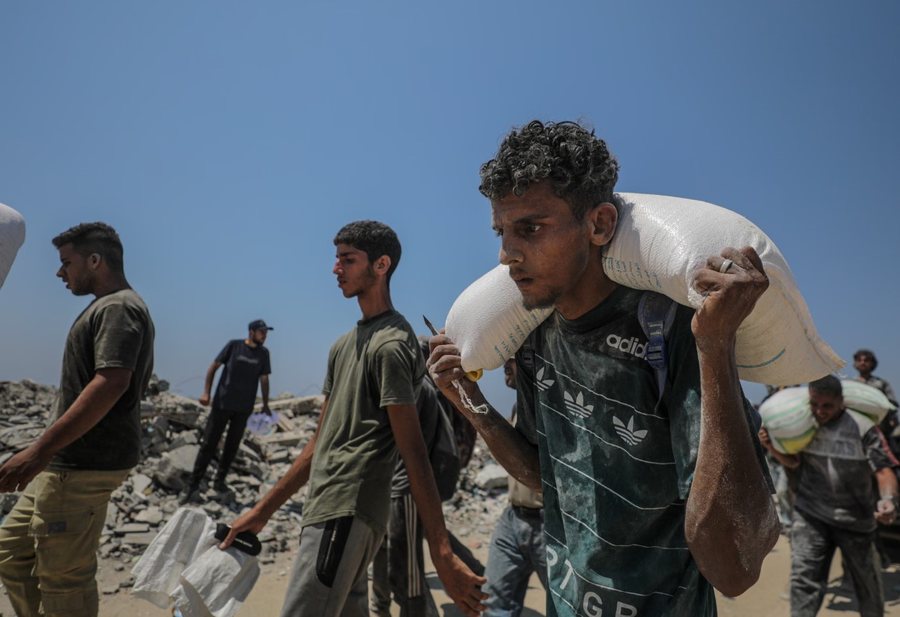
Israel's promise to hold daily pauses in fighting to allow humanitarian aid into Gaza has been met with skepticism by international aid organizations, which warn that mass starvation and critical food needs cannot be solved by limited cessations of bombing.
According to the UN, more than half of Gaza's population is facing acute levels of food insecurity, with many areas on the brink of famine. Israeli officials say the daily pauses - lasting a few hours - are intended to allow food and medicine convoys to enter, but aid groups say bureaucratic hurdles, destroyed infrastructure and a lack of security guarantees make it impossible to deliver aid on a large scale.
“It is insufficient and does not change the reality on the ground,” said a spokesperson for the World Food Programme. “People are starving right now. This requires not just temporary corridors, but a lasting ceasefire and the full opening of crossing points.”
Meanwhile, bombardment in other parts of the Gaza Strip has continued, making it increasingly difficult to reach areas where the needs are greatest. Experts warn that unless the overall approach to humanitarian aid changes, Israel's limited pauses will be "a drop in the desert."
Israeli officials have defended the policy as an attempt to combine the need to fight Hamas with a commitment to avoiding a full-blown humanitarian catastrophe. But for international aid organizations and the UN, the hunger crisis in Gaza is already a “catastrophe of the highest order,” with children particularly affected.
Experts say the announced pauses can only help provide immediate relief to some restricted areas, but will not address the roots of the crisis, which include blockades, fuel shortages and the destruction of water and food supply systems.
“A fundamental change is needed in the way humanitarian access to Gaza is being managed,” said an international aid worker. “Daily breaks will not save people from starvation.” /The Guardian








Lini një Përgjigje