


 Shkruar nga Pamfleti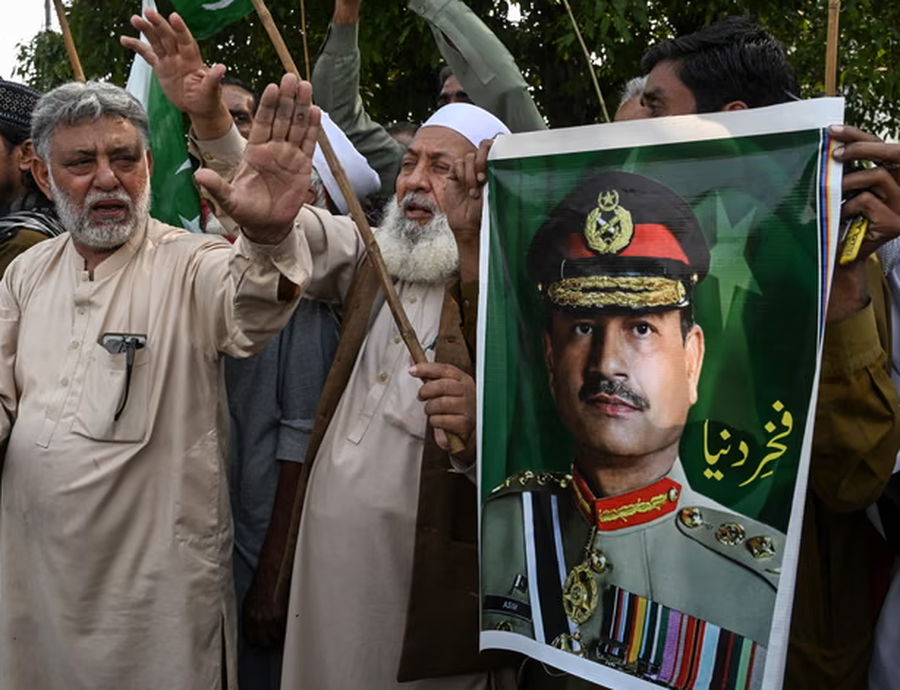
Intense negotiations, American pressure and China's decisive role to avoid a deeper crisis
Pakistan's leaders had almost given up hope. After more than two weeks of intense negotiations, phone calls and diplomatic summits to end the US-Israeli war against Iran, it seemed that the conflict could escalate into a worst-case scenario for Islamabad.
At a cabinet meeting around 5 p.m. Tuesday, Pakistan's Prime Minister, Shehbaz Sharif, sounded pessimistic. "We must prepare for the impact of war," he told his ministers. "The situation has become very grim. The chances of peace have diminished."
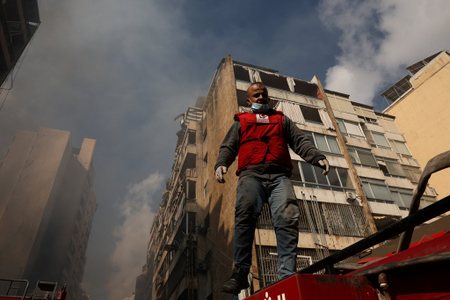
Earlier in the day, any hope of a ceasefire seemed dim. Israeli strikes had hit a gas plant in Iran, while Iranian strikes had hit a key petrochemical complex in Saudi Arabia, raising fears that the Gulf country could be drawn directly into the war. Angered by what it called a “dangerous escalation,” Pakistan’s military leaders issued an unusually critical public statement against Tehran, accusing it of obstructing peace efforts.
Meanwhile in Washington, Donald Trump's rhetoric escalated sharply. He warned that "the entire Iranian civilization will disappear tonight," including by striking power plants and bridges, if Iran did not accept his demands for a ceasefire by the end of the day.
For the Pakistani government and military, which is considered the real power in the country, brokering peace was not just a matter of prestige. The country’s economy, defense, national security, and sectarian balance depended on ending the conflict. A new defense agreement with Saudi Arabia meant that if Riyadh went to war, Pakistan would be involved. “We were in a very fragile and desperate situation for negotiations to begin,” said one Pakistani official.
Behind the scenes, Army Chief Asim Munir and Military Intelligence Director Asim Malik continued to maintain intensive contacts. Munir was in a favorable position as a mediator, thanks to his good relations with both Trump and the Iranian Revolutionary Guard.
Later, US Secretary of Defense Pete Hegseth stated in a press conference that Iran had “begged” for a ceasefire. However, Pakistani officials give a different version: according to them, both sides wanted an end to the fighting, but the main initiative for a ceasefire came from Trump, who was “locked in” a war that he thought would last no more than three days.
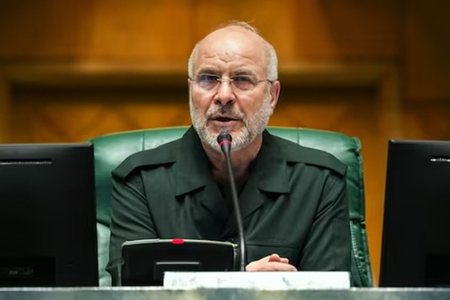
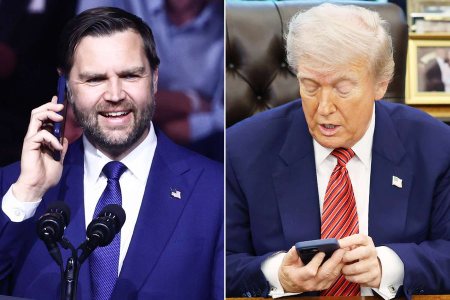
For several hours, the calls were uninterrupted. On one side were Trump, Secretary of State Marco Rubio, Vice President JD Vance and special envoy Steve Witkoff; on the other were senior Iranian officials, including Parliament Speaker Mohammad Bagher Ghalibaf and Foreign Minister Abbas Araghchi. Sharif also held contacts with the Iranian side and with Saudi Crown Prince Mohammed bin Salman.
Until Tuesday evening, Iran remained reluctant to accept the ceasefire, due to a lack of trust in the Trump administration and fears that the negotiations could be used as a tactic for military regroupment by the US and Israel.
At this point, officials say, a key player came into play: China. Initially reluctant to get involved in the conflict, Beijing changed its approach as the war took its toll on its economy. A few days earlier, Pakistani Foreign Minister Ishaq Dar had visited Beijing to seek greater Chinese involvement in the peace process.
According to Pakistani sources, China was persuaded to play a decisive role in Tuesday's negotiations, exerting direct influence on Tehran. "Pakistan had to involve China to convince Iran to accept the ceasefire," an official said.
In a significant twist, China offered Iran security guarantees for participating in the negotiations, including assurances that Iranian leaders would not be targeted during their travels. “We were the mediator, not the guarantor. China played the main role,” said a Pakistani official.
According to Islamabad, the US was also aware of and acknowledged Beijing's role. Trump himself later suggested that China had been influential in convincing Iran to enter negotiations.
At 4:00 AM in Islamabad, a temporary and fragile ceasefire agreement was reached between the US and Iran. Analyst Michael Kugelman called it “Pakistan’s biggest diplomatic victory in years.”
On Wednesday, Sharif called the deal a “bright moment” for Pakistan and a first step towards peace. He announced that the US-Iran talks would take place in Islamabad, with preparations expected to be held at the Serena Hotel. An Iranian source confirmed that Tehran intends to send Ghalibaf and Araghchi as negotiators.
However, Pakistani officials express concern that Israel and the United Arab Emirates may try to sabotage the peace process, especially at a time when Israel has declared that Lebanon is not included in the ceasefire and traffic in the Strait of Hormuz remains restricted.
According to Kugelman, Pakistan "challenged skeptics who doubted its ability to manage such a complex and high-risk process," adding that most importantly, this intervention helped avert a potential catastrophe in Iran. / The Guardian


Lini një Përgjigje