


 Shkruar nga Fulvio Scaglione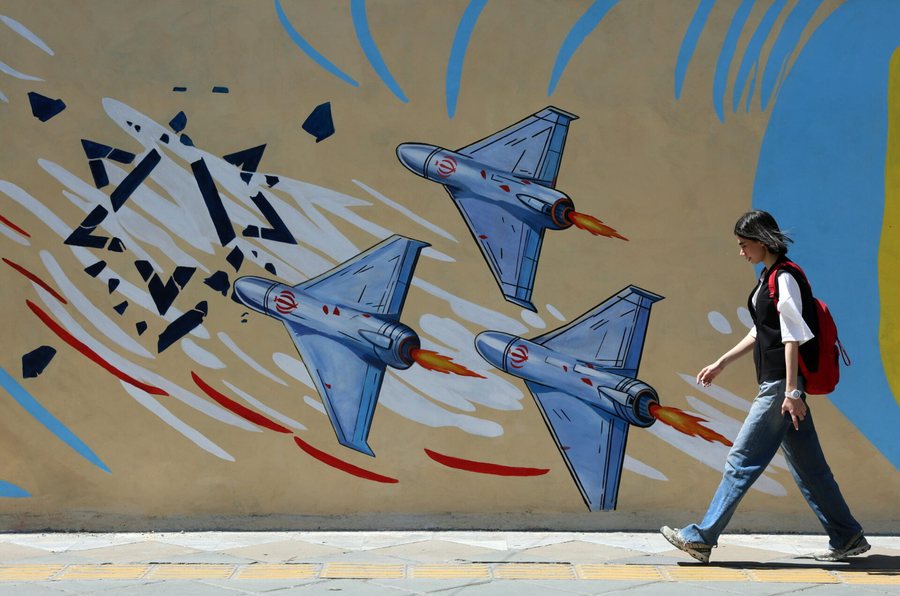
Nëse SHBA dhe Izraeli kanë humbur, nuk është e thënë që Irani ka fituar...
Si në të gjitha luftërat bashkëkohore, edhe për atë në Iran nuk është e lehtë të përcaktohen kufijtë e koncepteve të fitores dhe humbjes. Në këtë rast, dimë se ka pasur një humbje për Shtetet e Bashkuara: nisën për ta shkatërruar Iranin brenda pak ditësh, por u përfshinë në një luftë që rrezikoi të shkaktonte një krizë ekonomike globale, zemëroi gjysmën e botës, favorizoi rivalët historikë (Rusia dhe Kina) dhe nuk arriti asnjë nga objektivat e vendosura, as ndryshimin e regjimit dhe as atë kryengritje të iranianëve për të cilën vetëm të pamendët mund të fantazonin. Brenda botës amerikane, kjo përbën një humbje për kampin neokonservator që dukej se kishte marrë kontrollin e Shtëpisë së Bardhë, nga ministri i Luftës Pete Hegseth te sekretari i Shtetit Marco Rubio.
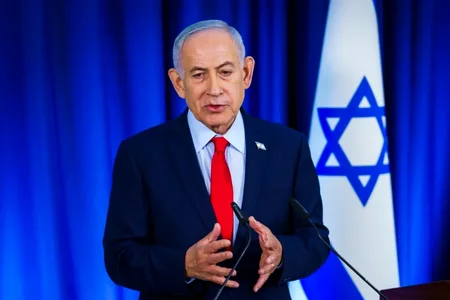
Ka pasur edhe një humbje për Benjamin Netanyahun dhe izraelitët. Për Netanyahun, i cili publikonte vazhdimisht video ku mburrej se mund të riformësonte Lindjen e Mesme sipas dëshirës, sepse shpallja e një armëpushimi dyjavor bëri të qartë një realitet: fuqia ushtarake e Izraelit funksionon deri aty ku nuk përballet me kundërshtim serioz. Bombardimi i Libanit apo Sirisë pa mbrojtje ajrore, ose i Rripit të Gazës, është i lehtë.
Sulmi ndaj Iranit është shumë më i vështirë dhe është pothuajse një mrekulli që dronët dhe raketat iraniane, të cilat depërtuan rregullisht në sistemet si Iron Dome, shkaktuan një numër kaq të ulët viktimash. Me fjalë të tjera: Izraeli shkon deri aty sa i lejon mbështetja amerikane. Kur SHBA thotë ndal, si në këtë rast, atëherë ndalet. Dhe kjo është humbje edhe për izraelitët, sepse sondazhet tregojnë se 82% e qytetarëve izraelitë (93% mes hebrenjve) mbështesnin luftën kundër Iranit.
Por a mjafton kjo për të thënë se Irani ka fituar? Sipas mendimit tim, jo. Para së gjithash, sepse bëhet fjalë për një armëpushim, jo për paqe. Sigurisht, Irani nuk u rrëzua, përkundrazi, vuri nën presion Ngushticën e Hormuzit dhe vendet fqinje të Gjirit Persik. Negociatat që nisin në Islamabad të premten do të kenë si bazë fillestare dhjetë pikat e hartuar në Teheran. Por çfarë do të ndodhë nëse negociatat dështojnë? Dhe çfarë do të duhet të japë Irani për t’i bërë ato të suksesshme, duke qenë se çdo zgjidhje do të jetë domosdoshmërisht kompromis? Për më tepër, pa dashur të bëjmë parashikime të zymta: ka ndodhur tashmë dy herë që SHBA ka sulmuar Iranin gjatë negociatave. Mund të jetë rastësi, por transporti ajror i avionëve C-17 amerikanë vazhdon të zhvendosë trupa dhe mjete drejt Lindjes së Mesme. Nuk ka dy pa tre, thuhet shpesh, por le të presim të paktën fundin e armëpushimit para se të tregojmë optimizëm.
Armëpushimi qëndron, marrëveshja arrihet, po pastaj?
Another issue: let's assume that the ceasefire will hold, negotiations will take place, and an agreement will be reached. What happens next? Some points to consider:
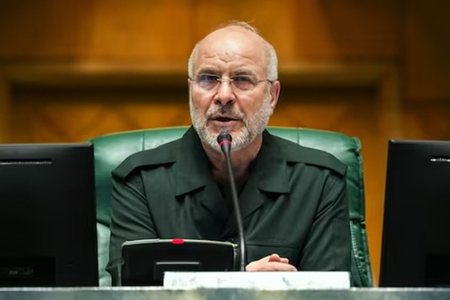
First: who will govern Iran? So far, several high-ranking figures have survived: President Masoud Pezeshkian, Foreign Minister Abbas Araghchi and Parliament Speaker Mohammad Bagher Ghalibaf. Then there is the hereditary supreme leader, Mojtaba Khamenei, son of the late Ali Khamenei: it is not known whether he is even alive and does not seem like a figure who could take over the country. The former are considered part of the “moderate” camp, and Ghalibaf has been appointed head of the delegation in negotiations with the US.
An important, but also dangerous role: if the negotiations go well, he will benefit politically; if they fail, the responsibility will fall on him. However, there is a strong reality: the “victory” has been mainly military, of the army and the Revolutionary Guard. It will be difficult for these structures not to seek reward in the form of positions and influence. Little is known about these structures and their most influential figures, both because of the losses from American and Israeli attacks, and because of the secret organization that Iran has maintained.
Second: to what extent can we expect reforms in the Iranian government? Beyond Western sanctions and revenues from oil and gas exports (80% of the total), there is the so-called “Ayatollahs’ Economy”. The largest industrial conglomerate, Khatam al-Anbiya, is controlled by the Revolutionary Guard and manages ports, pipelines, highways and public projects. There are also the bonyad foundations, created since the time of Khomeini, which today control large sectors of the economy. These structures operate outside the control of the government and benefit from extensive tax exemptions. This system enriches a privileged elite and provides support for the regime, making it difficult to turn protests into revolution. Without changes to this system, Iran will remain an authoritarian and inefficient theocracy.
Third: in response to US and Israeli attacks, Iran has struck several neighboring countries, Saudi Arabia, Oman, Qatar, Bahrain, Kuwait and Iraq, further isolating itself. Under these conditions, will Iran give up its ambitions for regional dominance? Will Hezbollah withdraw from confronting Israel? What will Iran's relations with the rest of the Middle East be like?
These are questions that are directly related to this ceasefire. There are two weeks of time for reflection. Especially for those who have supported this war, often on poor grounds of knowledge and judgment./ Adapted from “Pamphlet”, from “InsideOver”.



Lini një Përgjigje