


 Shkruar nga Pamfleti
Many Democrats, along with foreign leaders the US counts as allies, say Israel's actions clearly cross a red line, if not Biden's, then theirs and international law.
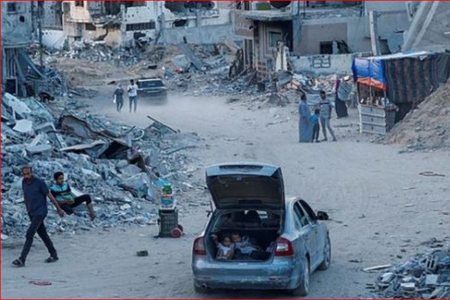
After dozens of Palestinian civilians were killed in an Israeli airstrike in Rafah this week, the White House made it clear: The incident did not cross the red line that President Joe Biden has set when it comes to providing some American weapons to Israel.
Where exactly that line lies has remained somewhat elusive since Biden first confirmed to an interviewer in March that such a threshold exists.
Biden aides, keenly aware of previous presidents who drew red lines only to renege on any promised action when they were crossed, once dismissed talk of "red lines" as a media obsession.
“The whole red line thing, as you all define it, is something you like; it's almost become a national security parlor game ," Biden's national security adviser, Jake Sullivan, told reporters in March, after the president suggested for the first time that an occupation of Rafah would prompt him to rethink some aspects of security policy. his.
At the very least, however, Biden's own comments since then suggest there are actions Israel could take that would prompt a new approach from the United States. He has said as much to Prime Minister Benjamin Netanyahu during phone conversations and has conveyed his position publicly in an interview with CNN.
But he has remained unclear on how he will quantify such a decision, leading to frustrations and a degree of confusion about his stance. Many Democrats, along with foreign leaders whom the US counts as allies, say Israel's actions clearly cross a red line, if not Biden's, then theirs and international law./CNN







Lini një Përgjigje