


 Shkruar nga Pamfleti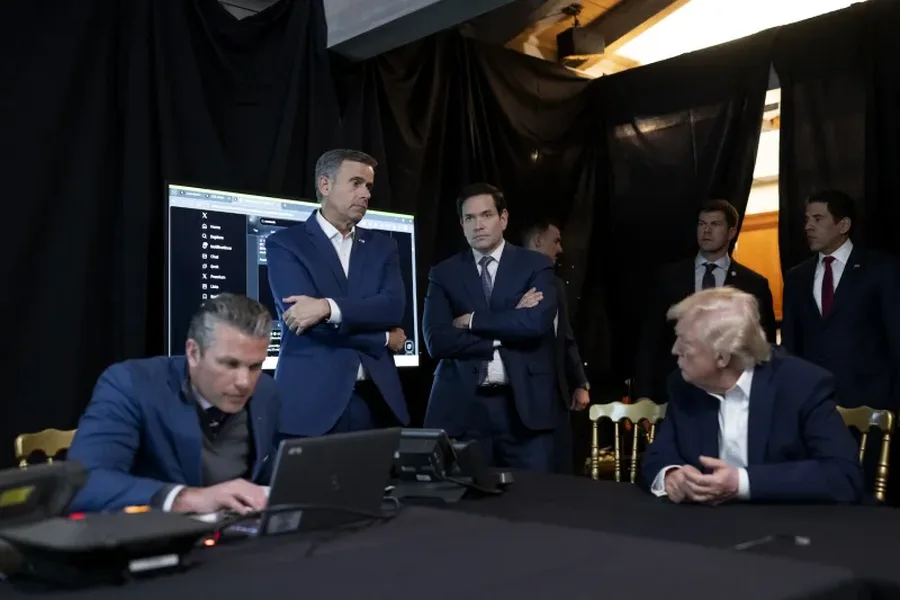
Perhaps the biggest question is how to interpret this raid in the context of Trump's broader foreign policy. Some have interpreted this as the triumph of a faction within the administration, with a headline that simply proclaims: "The Skifters are winning." And it is true that the face of this operation has clearly been Secretary of State Marco Rubio...
American military intervention south of the border is as American as baseball and apple pie. In 1914, President Woodrow Wilson sent troops to occupy the city of Veracruz, Mexico, to protect U.S. economic interests. During the Cold War, the United States engaged in a series of overt and covert regime-change operations, from Cuba to Nicaragua, Guatemala, and Panama.
In 1994, the Clinton administration engaged in an invasion of Haiti to restore ousted President Jean-Bertrand Aristide to power.
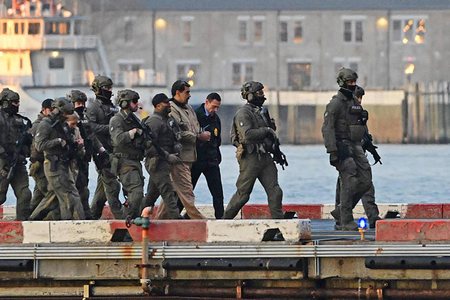
However, it was shocking to see an American administration openly and proudly engage in the kind of leadership change, effectively an armed hijacking, that we saw over the weekend.
There was little artificiality in the official explanations for why these actions were taken and no real attempt to include the attack in any form of international law.
On the contrary, the Trump administration actually asserted the primacy of US interests: Venezuelan President Nicolás Maduro obstructed curbing migration, preventing the flow of drugs, and allowing access for US oil companies to Venezuela's rich oil fields.
The reasoning offered was nothing more reminiscent of the period before the 2003 invasion of Iraq, a host of possible justifications for an action the administration had already decided on.
The explanations for Venezuela were offered with a speed and disregard for the claim of international law that only the Bush administration could have dreamed of. At least President George W. Bush sought authorization from the UN Security Council before ultimately disregarding that process.
Here too, none of the justifications are really convincing.
The United States is the world’s largest oil producer; a glut of Venezuelan oil could also hurt producers in places like Texas by depressing global prices. Venezuela is not the source of most of the drugs that cause death on American soil. And American law enforcement agencies, even with an active arrest warrant, typically do not engage in military action overseas.
Në praktikë, ky ishte qartë një ushtrim për të shfaqur fuqinë e Amerikës dhe nevojën e saj për të dominuar rajonin. Maduro e kishte sfiduar administratën Trump në mënyrë të përsëritur, duke refuzuar të hiqte dorë nga pushteti dhe të shkonte në një mërgim të rehatshëm pavarësisht presionit dhe një grumbullimi ushtarak në rritje në Karaibe. Ishte gjithmonë e pamundur që rezistenca e vazhdueshme nga Maduro të mund të pasohej me lëshime nga SHBA-ja, madje edhe nga Donald Trump, i njohur midis presidentëve amerikanë për gatishmërinë e tij për të bërë bllof dhe për t'u tërhequr në situata me rreziqe të larta.
Kjo është veçanërisht e vërtetë duke pasur parasysh botimin e fundit të Strategjisë së Sigurisë Kombëtare të administratës, e cila ofroi një të ashtuquajtur pasojë Trump të Doktrinës Monroe, duke premtuar të përjashtonte fuqitë jashtë hemisferës si Kina, duke u mohuar atyre "aftësinë për të pozicionuar forca ose aftësi të tjera kërcënuese, ose për të zotëruar ose kontrolluar asete strategjikisht të rëndësishme, në Hemisferën tonë". Shtetet e Bashkuara, siç premton në mënyrë ogurzezë dokumenti, duan që "kombet të na shohin si partnerin e tyre të parë të zgjedhur dhe do të dekurajojnë (përmes mjeteve të ndryshme) bashkëpunimin e tyre me të tjerët".
Kapja e Maduros i shërben këtij qëllimi, duke i dërguar potencialisht një sinjal Kinës dhe Rusisë që të qëndrojnë larg Hemisferës Perëndimore. Dhe siç sugjerojnë komentet e zyrtarëve të administratës për Kubën dhe Meksikën, kjo gjithashtu u dërgon një sinjal qeverive të tjera rajonale që të luajnë me të tjerët, qoftë në lidhje me migracionin, drogën apo bashkëpunimin me shtete të tjera. Nëse nuk e bëjnë këtë, rrezikojnë një sulm ndëshkues të SHBA-së. Është një strategji shumë e rrezikshme. Nëse pasojat e këtij bastisjeje nuk shkojnë sipas planit, administrata Trump mund të duket më e dobët nga sa shpresonte.
Ndoshta pyetja më e madhe është se si ta interpretojmë këtë aksion në kontekstin e politikës së jashtme më të gjerë të Trump. Disa e kanë interpretuar këtë si triumfin e një fraksioni brenda administratës, me një titull që shpall thjesht: "Skifterët po fitojnë". Dhe është e vërtetë që fytyra e këtij operacioni ka qenë qartësisht i ashpri Marco Rubio, Sekretari i Shtetit.
Zëvendëspresidenti JD Vance, një kritik i hershëm i ndryshimit të regjimit të huaj, ka qenë mbështetës, por dukshëm mungon në fotografitë dhe konferencat për shtyp rreth bastisjeve, me vetëm deklarata të paqarta në lidhje me sigurinë.
Megjithatë, as skifterët dhe neokonservatorët në rrethin e Trump nuk janë të kënaqur. Presidenti u tha gazetarëve se drejtuesja e opozitës demokrate, María Corina Machado, nuk ka mbështetjen e nevojshme për të marrë pushtetin në Venezuelë së shpejti , një ndjenjë që u pasqyrua shpejt nga Rubio.
Administration officials have claimed that Maduro's vice president, Delcy Rodríguez, is expected to work with the administration on a transition, suggesting that this operation is less pro-democracy about regime change and more about removing an uncooperative leader.
Maduro’s takeover is both aggressive and ambitious and very limited in its political objectives. In this respect, it bears perhaps the greatest resemblance to Trump’s attacks on Iran’s nuclear facilities in June 2025. In both cases, Trump chose to engage in powerful American military demonstrations while trying to avoid the escalation, chaos, and unintended consequences that have plagued so many American military interventions since 9/11. He is, in short, testing the proposition that the United States can engage in the use of force largely without consequences.
It's an approach that also creates a bond between the administration's feuding factions, giving the neoconservatives and Reaganites the military action they crave while trying to provide a less interventionist basis that the United States is not heading for another Iraq-style debacle.
So far, this strategy has worked. But it remains a very risky strategy, both politically and geopolitically. The president has been lucky. His attacks on Iran did not lead to a significant escalation, and, for now, Maduro's capture does not appear to have thrown Venezuela into chaos.
But that doesn’t mean the president’s ability to deflect the consequences of future attacks of this kind, say in Mexico or Greenland, couldn’t easily be turned into a counterattack against the United States. And the more Trump engages in these displays of American strength, the more likely it is that one of them will go catastrophically wrong.
In Venezuela, that could mean a military coup, state collapse, or a broader refugee crisis. Elsewhere, it could mean war or chaos.
Every time this game of international conflict politics succeeds, he is likely to become more self-assured, increasing the risks of miscalculation the next time. /Adapted from Foreign Policy/



Lini një Përgjigje