


 Shkruar nga Timothy Snyder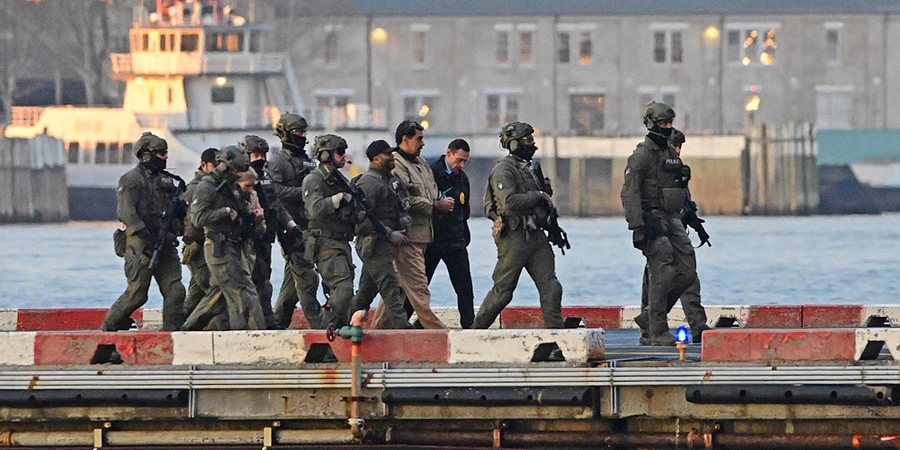
With the overthrow and arrest of Nicolás Maduro, US President Donald Trump wants the political benefits of waging a war without having to fight one. While fascists and imperialists know that war requires real fighting, Trump seems unwilling or unable to go that far, not least because he is weak at home.
The United States kidnapped Nicolás Maduro from Venezuela, taking him to New York where he has begun facing justice, while President Donald Trump claims that the US will “run” the country. While shocking, nothing is new: she recalls four precedents that can help us see elements of the present that might otherwise be hidden by propaganda or emotion.
The history of US intervention in Latin America is long, based on an implicit, if self-proclaimed, right to choose the region's leaders. During the Cold War, the installation of a leader or government approved by US officials was usually dressed up as a pro-democracy crusade, with the logic that America's primary motivation was to stop communism, which was antidemocratic.
This time, there is no pretense that democracy is the goal. Maduro and his allies stole Venezuela’s presidential election in 2024. But rather than punish him for that very real crime, the Trump administration prefers the essentially fictitious charge of “narcoterrorism.” And while Venezuela has a legitimately elected president, Edmundo González, there is no sign that he, or the opposition in general, figures in the US administration’s plans.
Consider that after Maduro’s capture, Trump called the courageous opposition leader and 2025 Nobel Peace Prize winner, María Corina Machado, a “good woman” who lacks support and respect in Venezuela. With that in mind, it’s worth revisiting last month’s U.S.-backed rendition of Machado, who had been living in hiding in Venezuela since the 2024 election. At the time, many thought the Trump administration was helping her attend the Nobel ceremony in Oslo. Now it looks much more like an attempt to neutralize a popular politician and pave the way for a form of U.S. imperialism directed against Venezuelans.
Por ky projekt është edhe më i keqkonceptuar se shumica e të tjerëve. Trump duket se po ua ofron naftën e Venezuelës firmave amerikane të energjisë (ngjashëm me mënyrën se si administratat e kaluara amerikane zgjodhën udhëheqës në Amerikën Latine që mbështetën interesat e biznesit të SHBA-së), duke e shpjeguar të gjithë operacionin në terma të parave që do të fitoheshin. Por ka pak fitim nga nafta venezueliane në afat të shkurtër; shfrytëzimi i potencialit të saj do të kërkonte investime të mëdha afatgjata - të cilat nga ana tjetër varen nga stabiliteti politik.
Një tjetër precedent i dukshëm është pushtimi i Irakut në vitin 2003, një pikë kthese për fuqinë e SHBA-së. Pushtimi u bazua në idenë se mposhtja e një ushtrie, rrëzimi i një sundimtari të keq dhe çmontimi i institucioneve të kompromentuara do të ishin të mjaftueshme për të krijuar kushtet për një qeveri më të mirë dhe më demokratike. Si rezultat, administrata e Presidentit George W. Bush mezi planifikoi të ardhmen politike të vendit dhe pushtuesit amerikanë u detyruan të bashkëpunonin me njerëzit që pretendonin se i kishin rrëzuar. Deri në fund të pushtimit amerikan të vendit, qindra mijëra irakianë dhe rreth 4,500 amerikanë ishin vrarë dhe besueshmëria e SHBA-së ishte në grindje.
Në rastin e Venezuelës, ekziston një besim i ngjashëm se thjesht largimi i një diktatori do të sjellë rezultatin e dëshiruar. Por ushtria venezueliane nuk është mposhtur dhe qeveria e Maduros mbetet në pushtet. Për aq sa administrata Trump ka një plan, ai është që zëvendëspresidentja venezueliane Delcy Rodríguez mund të drejtojë shfaqjen për amerikanët, edhe pse ajo nuk është më legjitime kur mbështetet nga dhuna amerikane. Nga ana e saj, Rodríguez e ka denoncuar rrëmbimin e Maduros si të paligjshëm dhe ka pretenduar se ai kishte "ngjyra sioniste".
Precedenti i tretë është më i kohëve të fundit: pushtimi i Ukrainës nga Rusia. Ishte e habitshme të dëgjoje Trumpin duke e përshkruar rrëmbimin e Maduros si një "operacion të jashtëzakonshëm ushtarak", sepse Presidenti rus Vladimir Putin përdori një gjuhë çuditërisht të ngjashme në fjalimin e tij duke njoftuar pushtimin në shkallë të plotë të Ukrainës më 24 shkurt 2022.
Putini qëllimisht shfrytëzoi dhe tallte të drejtën ndërkombëtare, duke pretenduar se agresioni i Rusisë justifikohej nga Karta e Kombeve të Bashkuara. Rusia ka punuar shumë për të krijuar një botë në të cilën çdo vend e trajton Kartën e OKB-së si shaka, kështu që fakti që administrata Trump nuk bëri asnjë përpjekje për të justifikuar veprimet e saj në Venezuelë në terma të së drejtës ndërkombëtare është një fitore për Kremlinin, edhe nëse është i pakënaqur nga ky rast i veçantë.
It is worth noting that the American intervention, while clearly an act of war, appears to have been a long-term CIA plan that was carried out with the support of the US military. Trump’s portrayal of this intelligence operation as “an attack the likes of which people have not seen since World War II” is absurd. It also points to recent precedent: Wars that legitimized fascist regimes before their defeat in 1945.
Fascists in Germany, Italy, and Romania justified their dictatorships on the grounds that their political opponents were acting in the service of foreign enemies and international conspiracies. Moreover, these regimes waged wars to unite the external and internal enemy; it was much easier to suppress domestic dissidents when the population was at war.
By accusing Maduro of drug-related crimes, rather than more serious (and much easier to prove) crimes like extrajudicial killings and torture, the Trump administration is uniting the external and internal enemy.
Since the drug trade involves both foreign and domestic actors, Trump could fabricate a story about his political opponents as pawns in an international conspiracy.
A Trump-style “war on drugs” could be used to create a larger domestic security apparatus, just as the migrant panic has led to a massive expansion of ICE (Immigration and Customs Enforcement).
Trump wants the political benefits of a war without having to wage one himself. According to his account, the US military worked magic in Venezuela and that story is over.
But while Putin understands that fascism requires real war, Trump seems unwilling or unable to go that far, and not just because he is weak at home. Americans can take action to prevent Trump’s “extraordinary military operation,” which has more to do with regime change in the US than in Venezuela, from accelerating their country’s slide toward authoritarianism, as long as they recognize the domestic political logic behind Trump’s foreign intervention. /Adapted from Project Syndicate /




Harrojeni nëse Maduro ishte i mirë apo i keq! Veprimet e SHBA-së ishin të gabuara për të gjithë amerikanët në vend, kryesisht! Globalisht do të bëjnë të njëjtën gjë dhe periudha e PALIGJSHMËRISË ka filluar. A e dëgjojnë zërin tim bankat dhe kompanitë e sigurimeve?