


 Shkruar nga Pamfleti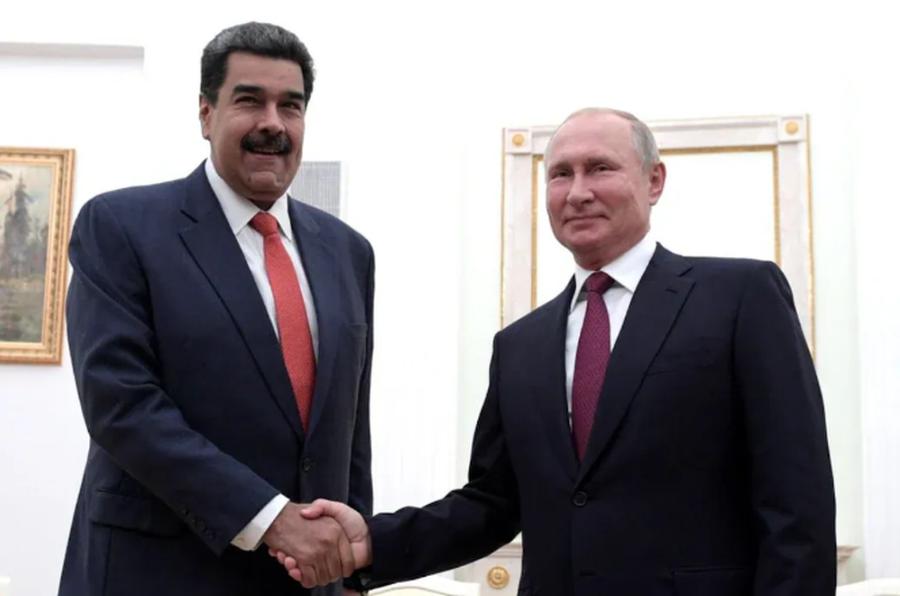
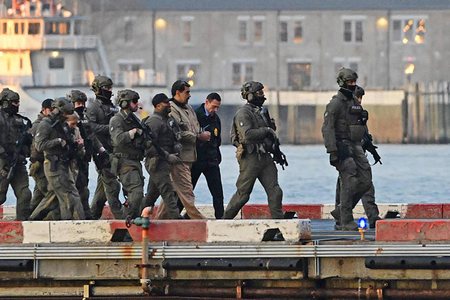
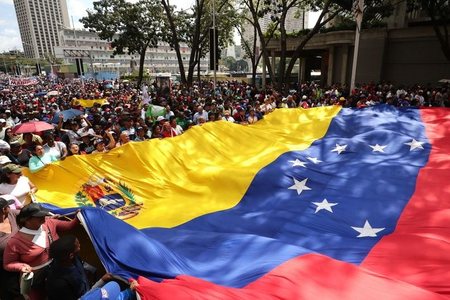
For the Kremlin, the most obvious result of the United States' capture of Venezuela's Nicolas Maduro is that it is a blow to Russia's regional influence and to Vladimir Putin's pride: a key ally who in May signed a "strategic partnership" agreement with the Russian president has suddenly been ousted from power and is in a New York City prison.
Maduro's capture came just over a year after the fall of Bashar al-Assad, the Syrian leader who had secured Russia a strong position in the Middle East in exchange for crucial support in the fight against his opponents - another major blow to Putin's efforts to revive Moscow's presence in the world after the retreat that followed the collapse of the Soviet Union.
Not only that, but the US raid on Venezuela on January 3rd achieved in a matter of hours something that Russia has not been able to do in the nearly four years since Putin launched a full-scale invasion of Ukraine and which was seen as one of his main goals: the removal of a state leader.
But Russia's focus on the war against Ukraine means that protecting Maduro would not be realistic even if Moscow wanted to do so, and Venezuela's usefulness to Russia has declined, at least in economic terms, due to sanctions and other factors that have reduced oil production, a sector in which Russia has significant interests.
There is also a positive side for Russia. Moscow could use the American operation as evidence that Washington seeks to impose its will on other countries and violates international law by providing an argument that is convincing to some, despite Moscow's war against Ukraine.
In a statement on January 3, Russia's Foreign Ministry said it was "extremely concerned" about what it called an "armed act of aggression against Venezuela" and called on the US "to release the legally elected president of a sovereign state and his wife."
But what is even more important to the Kremlin than strengthening this portrayal of the US, analysts say, is the hope that Washington's actions in Venezuela and US President Donald Trump's focus on the Western Hemisphere will give Moscow more room to maneuver both morally and militarily to act as it pleases in what it considers its sphere of influence, particularly in Ukraine.
"Regardless of the decisions Vladimir Putin makes in Ukraine, it is becoming increasingly difficult for some actions to be condemned solely on the basis of international law," Berlin-based political analyst Alexandra Sitenko, who is an expert on Russia's relations with Latin America and other regions, told Radio Free Europe.
“Çfarë bëjnë fuqitë e mëdha”
Perceptimi i gjerë se operacioni amerikan e ka shkelur të drejtën ndërkombëtare “nuk është aspak i keq për narrativin më të gjerë rus”, tha Mark Galeotti, analist për Rusinë dhe profesor nderi në Shkollën e Studimeve Sllave dhe Evropës Lindore të Kolegjin e Londrës, në podkastin e tij më 4 janar.
“Tek e fundit, këndvështrimi i Putinit në thelb është ajo se çfarë bëjnë fuqitë e mëdha dhe fuqitë e mëdha kanë sfera ndikimi. Dhe, nëse do t’i lejojmë Amerikës të ketë sferën e saj të ndikimit në Amerikën Latine, atëherë për rrjedhojë ne duhet të lejohemi të kemi sferën tonën sllave”, tha Galeotti.
Ndërkaq Sam Greene, profesor në Institutin e Rusisë në Kolegjin Mbretëror të Londrës shtoi: “Çdo zhgënjim nga fakti që Maduro u largua nga Uashingtoni do të zbutet nga një premtim për bashkëdominim global, në të cilin Moska do të fitonte të drejtën të bënte të njëjtën gjë në fqinjësinë e saj”.
Ka prova se Rusia ka kërkuar një marrëveshje të tillë që shumë kohë përpara se të niste luftën e saj kundër Ukrainës në shkurt të vitit 2022.
Gjatë një mosmarrëveshjeje në të cilën Rusia ndihmoi në mbrojtjen e Maduros përballë përpjekjeve të një udhëheqësi opozitar të mbështetur nga SHBA-ja për ta rrëzuar atë, “rusët… po sinjalizonin shumë fuqishëm se donin disi të bënin një marrëveshje shumë të çuditshme këmbimi mes Venezuelës dhe Ukrainës”, i tha një komiteti të Kongresit në tetor të vitit 2019 Fiona Hill, e cila ishte këshilltarja kryesore për Rusinë dhe Evropën në Këshillin e Sigurisë Kombëtare të Trumpit nga prilli i vitit 2017 deri në korrik të vitit 2019.
Thelbi i mesazhit rus ishte: “Ju doni që ne të largohemi nga oborri juaj. Epo, ne kemi versionin tonë të kësaj. Ju jeni në oborrin tonë në Ukrainë”, u shpreh hill.
Faktori Ukrainë
Këtë herë, qasja e Rusisë dhe reagimi i saj relativisht i zbehtë ndaj kapjes së Maduros janë pjesë e një sërë zhvillimesh që tregojnë “se deri në çfarë mase dëshira e Rusisë për ta nënshtruar Ukrainën e dikton pjesën tjetër të politikës së saj të jashtme”, shkroi në X, Hanna Notte, drejtoreshë për Euroazinë në Qendrën James Martin për Studime të Mospërhapjes.
“Putini shmangu bashkëpunimin me [ish-presidentin amerikan Joe] Biden në përpjekje për ta detyruar atë të heqë dorë nga Ukraina. Gjatë vitit të kaluar, ai është përpjekur të jetë në anën e mirë të Trumpit, këtë herë për ta joshur që të marrë anën e Rusisë kundër Ukrainës”, shkroi Notte.
“Qoftë duke ushtruar presion apo duke lavdëruar një udhëheqës amerikan, qëllimi përfundimtar i Rusisë mbeti i njëjtë: të krijojë një përçarje mes SHBA-së dhe Ukrainës”.
Përderisa toni dhe përmbajtja e diplomacisë mbi Ukrainën mund të ndryshojnë shpejt, deri tani nuk ka pasur ndonjë sinjal të një ndryshimi të madh në qëndrimin e SHBA-së që nga kapja e Maduros, e cila ndodhi ndërsa zhvilloheshin një sërë rundesh bisedimesh mes SHBA-së, Ukrainës, Evropës dhe Rusisë në konfigurime të ndryshme, teksa administrata e Trumpit po synon të ndërmjetësojë përfundimin e luftës.
At a press conference hours after the operation in Caracas, Trump said he was "not happy with Putin. He's killing a lot of people."
On January 4, he reiterated the CIA's conclusion and said he did not believe Ukraine had targeted one of Putin's residences in a drone strike last month, having previously appeared to accept the claim that, he said, the Russian president had made in a phone conversation.
“Does the focus on Venezuela and the Western Hemisphere mean that the United States will be distracted?” Galeotti asked.
His response: "Of course, questions may arise about how the claim to run Venezuela can be put into practice. But, on the other hand, a superpower can walk and chew gum at the same time. I don't think that will have any particular impact on what happens with Ukraine."
Greene suggested that if the Kremlin hopes for a broad agreement between major powers and complete freedom to act in Ukraine, it will be disappointed.
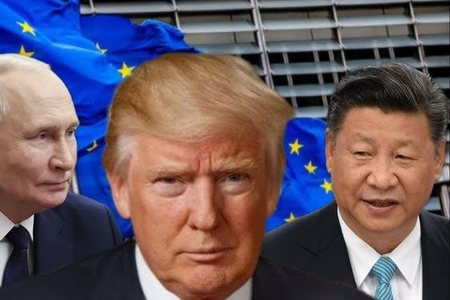
"Unless they are immediately given full authority to act in Ukraine, Moscow will view this as typical American hypocrisy, which is likely to disrupt the supposed coalition of global hegemony between Putin, Trump and [Chinese President] Xi [Jinping]," he wrote./REL


Lini një Përgjigje