


 Shkruar nga Pamfleti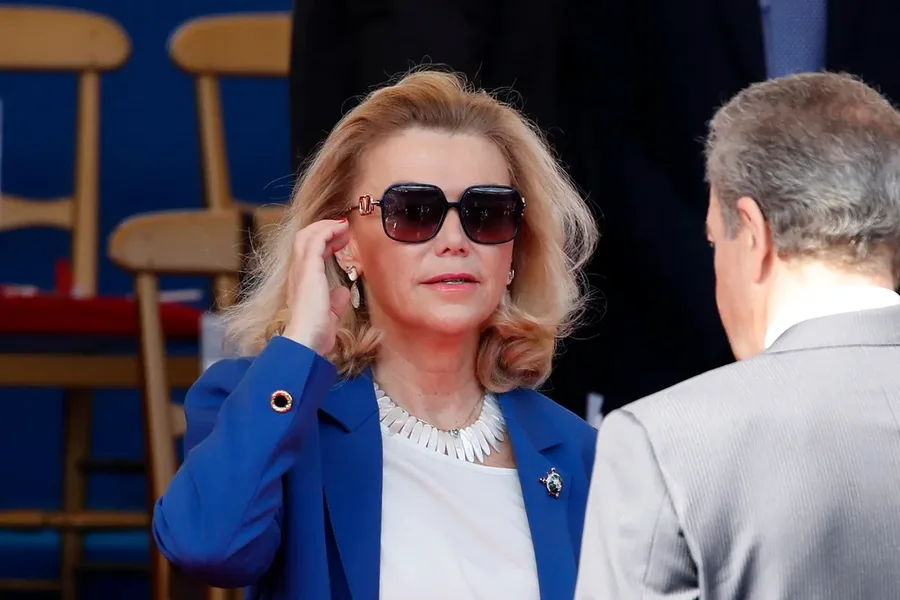
In a highly unusual move, the outgoing secret service chief told Italian daily Corriere della Sera on Wednesday that she would not "slam the door on her way out" but that she was convinced that "in the final months of her term she will it would have been a real annoying fight".
Elisabetta Belloni, the first woman to serve as intelligence chief, was appointed to the role by former prime minister Mario Draghi in 2021. A widely respected career diplomat, considered by many to be one of Italy's most skilled political operators, Belloni successfully ran the secret service.
Belloni is said to have fully enjoyed Meloni's trust, along with only a handful of other longtime aides.
But it seems that between Belloni, Meloni and the main figures in the Italian Government, including Alfredo Mantovano and Foreign Minister Antonio Tajani, there have been clashes and tensions.
Belloni did not immediately respond to a request for comment through a spokeswoman.
Trust remains a big issue for Meloni as the Italian leader is known to follow her instincts and trusts virtually no one when it comes to decision-making.
Belloni's resignation, just months before her term expires in May, has shocked Rome's political establishment. Her departure also brings into sharp relief how Meloni is tightening her widening grip on Italy's government apparatus.
Meloni announced on Thursday that he will name Vittorio Rizzi as the country's new spy chief. The prime minister also said of Belloni her "respect for him and that their personal relationship" was "unchanged".
"I hope her career doesn't end here," she told reporters.
In a highly unusual move, the outgoing secret service chief told Italian daily Corriere della Sera on Wednesday that she would not "slam the door on her way out" but that she was convinced that "in the final months of her term she will it would have been a real annoying fight".
Her departure, which takes effect on January 15, has sparked speculation about what prompted one of Italy's most high-profile officials to resign so suddenly. Belloni had tendered her resignation just before Christmas and it is believed that the move would be kept secret until the last moment. But a report from the Repubblica newspaper on Sunday night revealed the news which caused a storm.
Later on Wednesday, Italy announced that journalist Cecilia Sala, who had been in Iranian custody since last month, had been released, in a complicated series of negotiations involving Belloni. Sala's case has been linked to a Swiss-Iranian citizen held by Italian authorities at the request of the US. Meloni discussed the matter directly with Trump at Mar-a-Lago.
Belloni's departure has raised questions among the political advisers who populate the Roman palace, with her departure seen as a seismic development for domestic politics. Belloni is also rumored to be in the running for a top post in Brussels, possibly even advising European Commission chief Ursula von der Leyen on migration and foreign policy, sources said. But she told Corriere that "nothing" had been decided yet, adding that she would be "honoured" to serve on the commission.
Belloni's rise to the top of the Italian government apparatus lasted about four decades. Her management style has been described as professional but ruthless and difficult to read at times. Aware of these criticisms, she told Corriere that it was not "obligatory" to be liked by everyone, as long as this did not call into question the results of her work, which, according to her, has not happened.
Tajani had a difficult relationship with Belloni – accusing him of concentration of power.
In the current political landscape in Italy, it is increasingly difficult to thrive in the government apparatus without being in Meloni's so-called "magic circle". / Adapt Pamphlet /




Lini një Përgjigje