


 Shkruar nga Pamfleti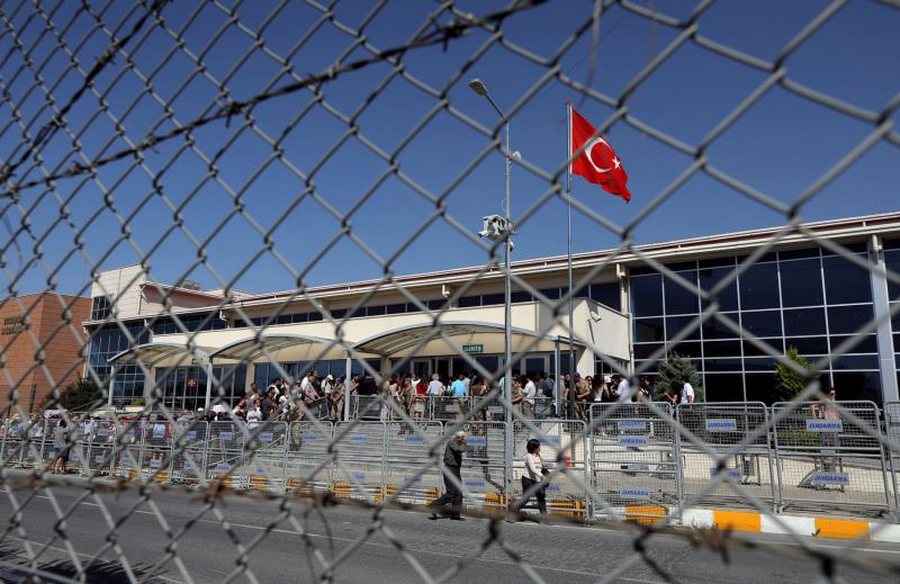
Silivri, where presidential rival Ekrem İmamoğlu is being detained, is evidence of how far the Turkish president is willing to go to stay in power.
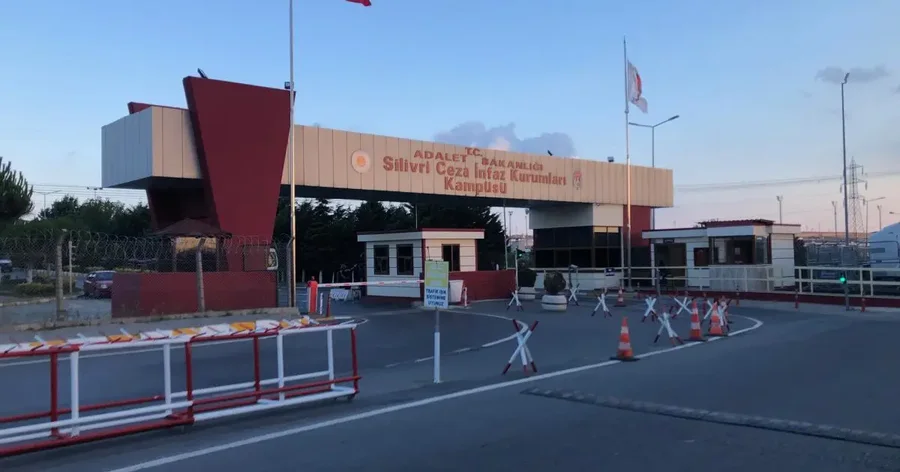
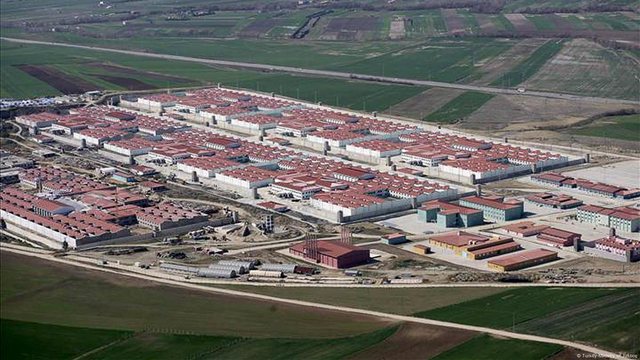
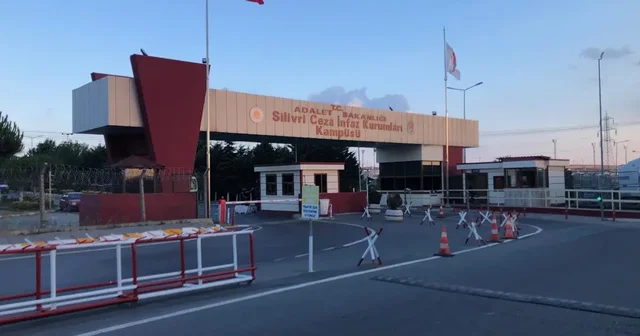
Silivri is no longer just a quiet seaside town. It was once a popular resort, an hour’s drive from Istanbul, known for its lavender, yogurt and summer houses along the Sea of Marmara. But for most Turkish citizens today, the word “Silivri” no longer conjures up memories of vacations and fresh scents. It now symbolizes something else: a super-prison on the outskirts of the city, the place where Istanbul’s mayor and President Recep Tayyip Erdoğan’s political rival, Ekrem İmamoğlu, has been held since March.
He is there awaiting trial for corruption, and was recently sentenced to twenty months in prison on charges of insulting and "threatening" a public official, one of a series of charges that continue to be brought against him.
Silivri Prison began accepting prisoners in 2008. Turkish media at the time described its size with astonishment: a “campus” of nine separate prisons, spread over an area of almost one million square meters, with an official capacity of 11,000 people. Inside the complex were 500 apartments for staff, a mosque, market, restaurant and even a primary school for the children of the staff. As one prisoner would later write, he could hear from his cell the children singing the national anthem in the schoolyard.
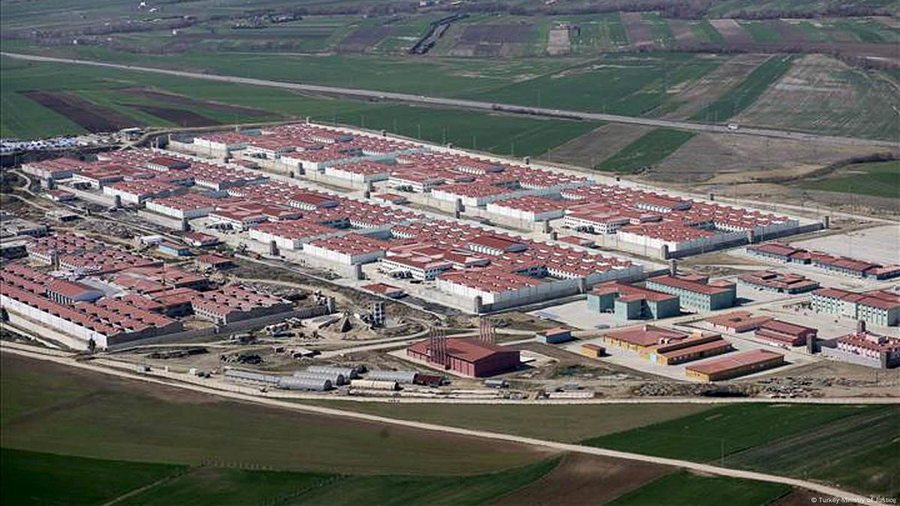
Silivri was built to replace the city's old and dilapidated prisons. It was presented grandly as a symbol of modernity: every cell had a television and radio, over 2,000 security cameras, retinal scanners for entry and exit, and sports facilities, including football pitches.
But the prison would soon become a deeply political arena. Before its construction was complete, it hosted high-profile trials of generals, police chiefs, journalists and lawyers linked to Turkey’s secular establishment, accused of plotting to overthrow the elected Islamist government. Hundreds were tried in a gymnasium-turned-courtroom, under heavy gendarmerie surveillance. For many, Silivri became a place where Turkey came to terms with its authoritarian past.
But in 2012, when the sentences began to be announced, doubts took hold: the indictments contained errors, documents were manipulated, and evidence was questionable. In retrospect, those trials marked the beginning of the use of the judiciary and the police as tools to crack down on opponents of the government.
In the second decade of Erdoğan’s rule, with the failed coup, the state of emergency and the adoption of a new constitution, political repression deepened. Hundreds of activists, journalists, lawyers and ordinary citizens were arrested. Meanwhile, a moral hysteria about urban crime led to harsher sentences for even minor offenses. The number of prisoners in Turkey increased significantly.
In 2002, when Erdoğan’s party came to power, there were about 60,000 people in prison. Today, that number is close to 350,000. According to the latest Council of Europe report, Turkey has almost as many prisoners as the other 45 member states combined. Silivri, which was built to hold 11,000 people, now houses about 22,000, making it one of the largest prisons in the world.
Prison conditions have always been difficult. Author Ahmet Altan, while imprisoned after the failed coup, recounted that sometimes in the spring, birds would drop flower branches into the small, unlit courtyard of his cell. One day, he picked a flower and placed it in a plastic bottle. The next day, the officers took it away.
Lawyers, guards, former prisoners and their families tell of an overcrowded system: cells for 21 people holding nearly 50, dwindling food portions, mattresses shared in shifts, and soccer games with 40 people on a field during training hours.
There have also been allegations of systematic beatings and humiliation by guards, which prison authorities deny. Three years ago, a prisoner died in Silivri; the prison stated that the cause was cardiac arrest, but the family did not believe it, stating that his body bore severe signs of violence.
Meanwhile, for political prisoners like İmamoğlu, the treatment is different. They are held in solitary confinement, in special high-profile detention units. There are no reports of physical abuse, but the real punishment is the Turkish judicial process itself: detentions lasting years, judges and prosecutors under great political pressure, and even, as in İmamoğlu's case, the risk of his lawyer being arrested.
Today, Silivri has become the clearest symbol of what Erdoğan is willing to do to hold on to power. So much so that the prison's name has even entered popular slang: "Silivri is cold," it is said, half-jokingly and half-fearfully, when someone does or says something that exceeds the limits of political tolerance in Turkey. /Adapted from "Pamphlet" by "The Guardian"







Lini një Përgjigje