


 Shkruar nga Pamfleti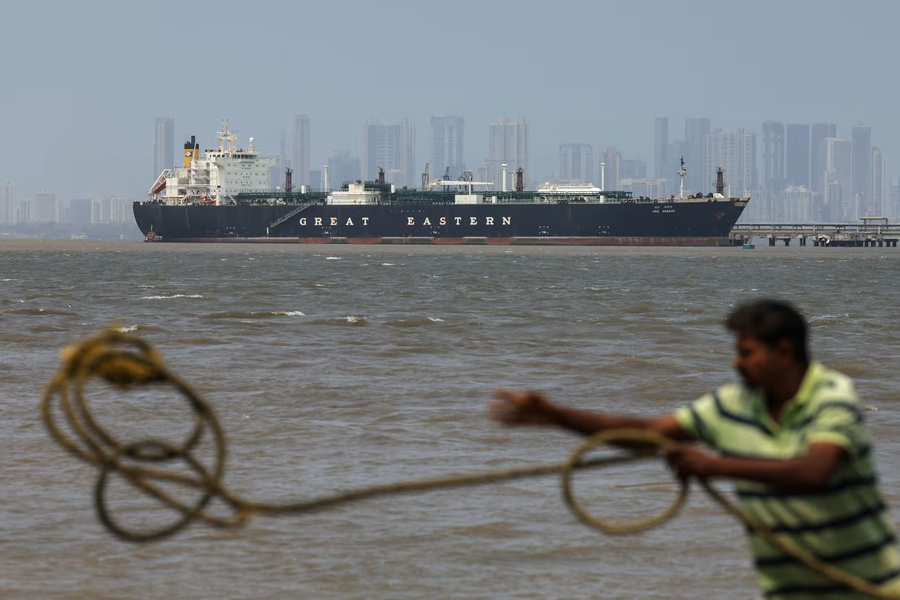
The global navigation system led by the US for decades is being questioned after the imposition of the "Iranian tariff" in the Strait of Hormuz.
A system of global trade that has enriched people and nations for more than a century, the freedom to sail the high seas, has been shaken in just six weeks by the war with Iran.
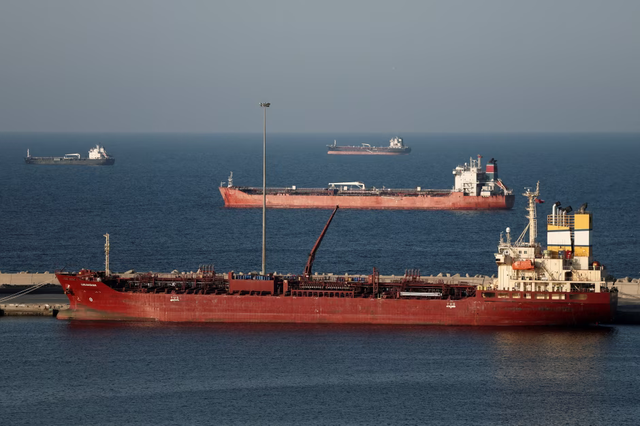
The Strait of Hormuz has long served as an artery of the world’s maritime economy. But the roughly 30-mile-wide waterway has now become a symbol of a new global order in crisis. As some 20,000 sailors remain stranded at sea and struggle to make sense of President Donald Trump’s announcement of a ceasefire conditional on the full opening of the strait, Iranian officials say they will decide which ships can leave and at what price.
In practice, a "tariff counter" is being set up by Tehran, while the US Navy stands watch, a sign that, at least in this vital oil corridor, the US no longer dominates the seas.
The captains, owners and managers of more than 700 ships blocked near Iran, carrying tens of billions of dollars worth of goods, are communicating with each other to understand Tehran’s unclear and changing rules. After days of drones and missiles flying over them, the Iranian navy broadcast a radio message: “If any ship tries to pass without permission, it will be destroyed.”
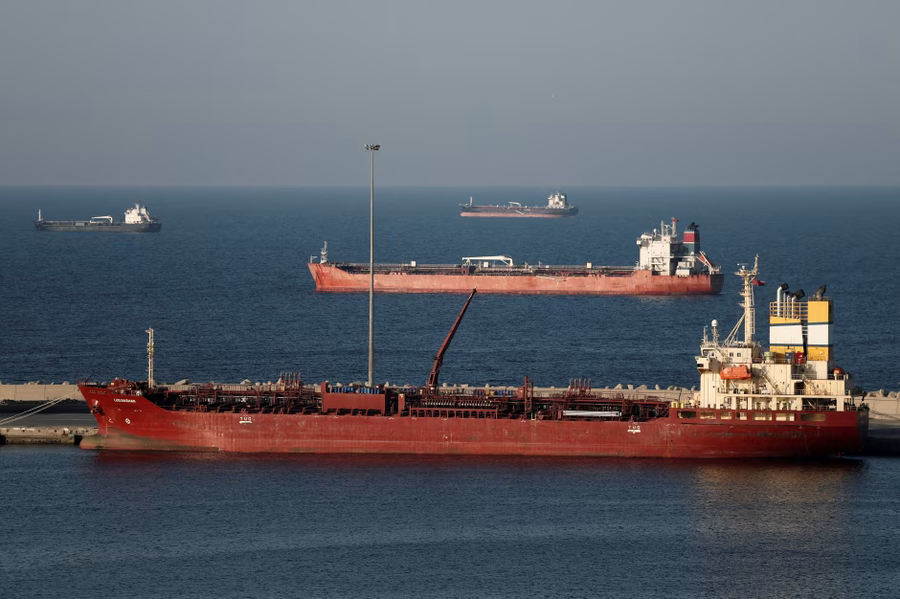
According to the sailors, the Strait of Hormuz risks becoming a “graveyard” for a trading system so essential to the modern economy that most consumers take it for granted. The cost will be borne by consumers around the world, through inflation, supply disruptions and a new order in which Iran can decide which countries have access to Middle Eastern oil.
If Iran continues to demand payments for safe passage, it will permanently raise fuel prices, economists say. On the other hand, the Revolutionary Guard could completely block the flow of oil, causing a shock in energy markets.
In any case, shipowners, insurers and crews remain wary of returning to a strait that could turn into a trap in the event of a minor misunderstanding between the Iranian regime and an American president who has threatened to destroy it.

Whatever happens next, the precedent of imposing tariffs on the high seas will have repercussions for the global order that the United States helped build. Its allies worry that other actors could follow Iran's example, as in the 17th century, when the Chinese, Ottoman and Portuguese empires taxed passing ships.
Vetë Trump ka përmendur idenë e një tarife amerikane në Gjirin Persik, ndërsa angazhimi ushtarak në Lindjen e Mesme i ka dhënë më shumë hapësirë Kinës të zgjerojë ndikimin në Detin e Kinës Jugore.
Pasojat shtrihen edhe te dollari amerikan, roli i të cilit si monedhë kryesore në tregtinë detare ndihmon SHBA të mbajë taksa të ulëta dhe deficite të larta. Sipas marinarëve, Irani po mbledh tarifa në juan kinez ose në kriptomonedha.
“Gjërat nuk do të jenë më si më parë”, tha kapiteni Ali Kanafani nga Siria, ndërsa tregonte horizontin ku shiheshin dhjetëra anije të bllokuara.
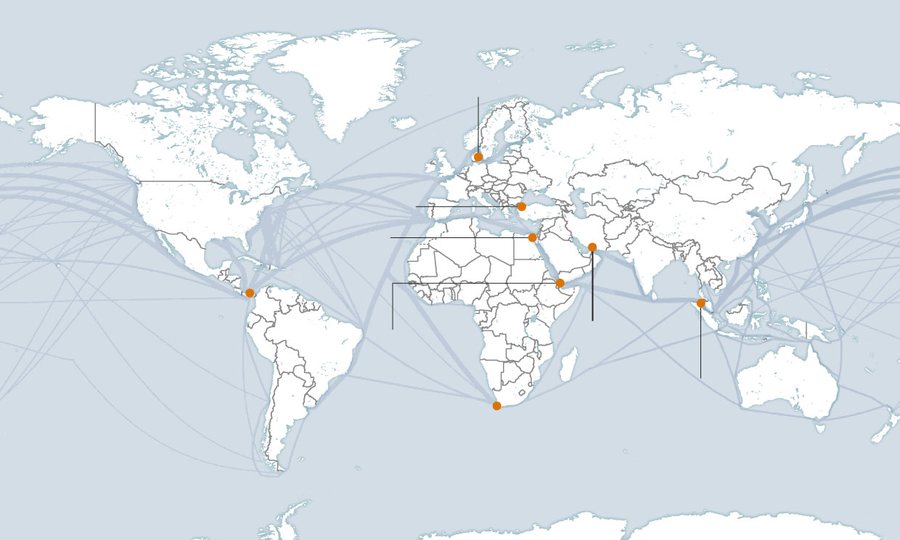
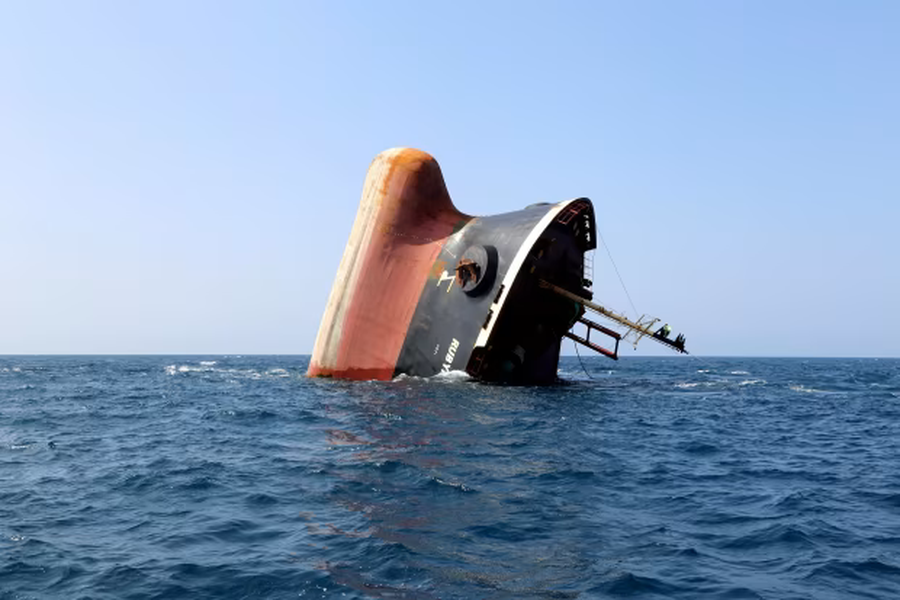
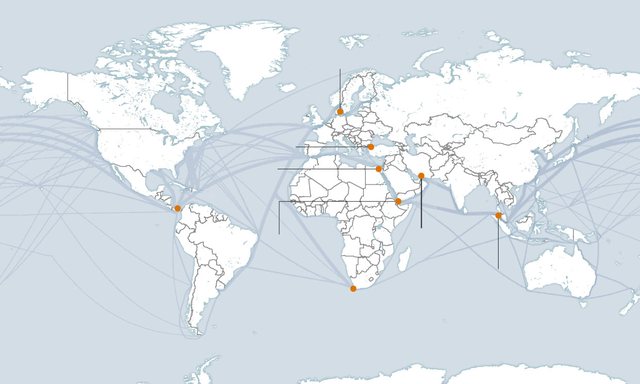
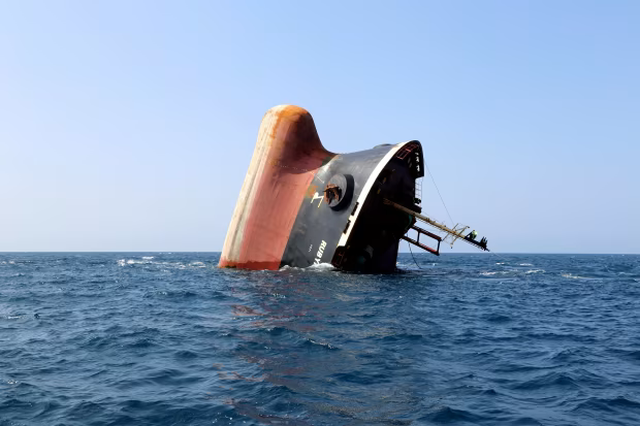
Kjo luftë është ndërprerja e tretë e madhe e transportit detar në katër vitet e fundit. Anijet janë goditur nga raketa në Detin e Zi dhe nga rebelët Houthi në Detin e Kuq, ndërsa viktima njerëzore nuk kanë munguar.
Edhe disa ditë pas armëpushimit, Irani lejon vetëm pak anije të kalojnë çdo ditë, bazuar në marrëdhëniet politike dhe gatishmërinë për të paguar tarifa që mund të arrijnë deri në 2 milionë dollarë.
Disa anije ndryshojnë flamurin për t’u dukur më “miqësore”, ndërsa të tjera përdorin identitete të rreme, duke shkelur rregullat ndërkombëtare detare. Disa ekuipazhe kanë mbetur pa ushqime të freskëta pas më shumë se 40 ditësh në det.
Disa marinarë kalojnë kohën me video në rrjetet sociale apo duke peshkuar, ndërsa të tjerë përballen me izolim të rëndë psikologjik. Ka raste kur kanë menduar edhe për vetëvrasje, ndërsa kapitenët përpiqen të mbajnë moralin e ekuipazheve.
Ekspertët theksojnë se tregtia e lirë është e mundur vetëm nëse marinarët mund të punojnë në mënyrë të sigurt.
Në ditët në vijim, negociatat mund të sjellin lehtësim për anijet e bllokuara, por kthimi në normalitet nuk pritet. Çmimet e karburantit për anijet dhe sigurimet janë rritur, oraret janë çrregulluar dhe shumë anije janë devijuar në rrugë të tjera.
Ekspertët paralajmërojnë se edhe një bllokim i vogël në një rrugë detare mund të shkaktojë pasoja të gjata në zinxhirët globalë të furnizimit.
Ndërkohë, sfida të reja si dronët e lirë që mund të shmangin mbrojtjen e anijeve luftarake tregojnë kufizimet e fuqisë detare tradicionale. SHBA ka treguar se mund të tolerojë mbylljen e rrugëve detare, ndërsa aleatët evropianë nuk kanë ndërhyrë për ta rihapur ngushticën.
“Koncepti i autostradës blu po zhduket”, tha historiani detar Salvatore Mercogliano, duke shtuar “sistemi është ndërtuar për volum dhe shpejtësi dhe tani po përplaset me një mur”. Ai shtoi se “nuk do të ketë kthim në normalitetin e mëparshëm.”
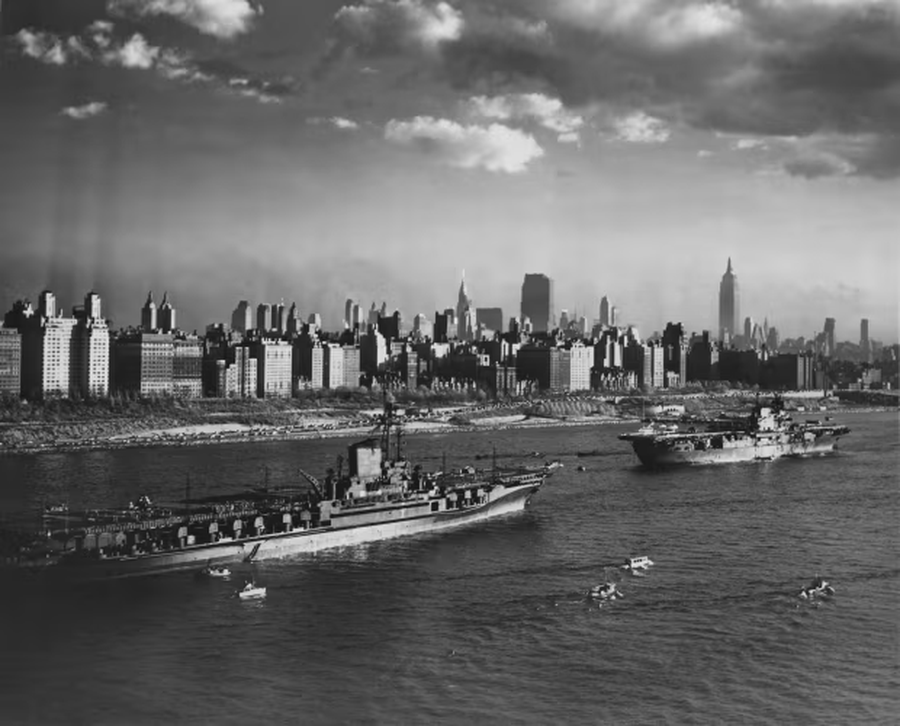
Sistemi aktual u zhvillua nga kapitalizmi i shekullit XIX dhe nga idetë e strategut detar Alfred Thayer Mahan, i cili e konsideronte lirinë e deteve thelbësore për fuqinë dhe prosperitetin amerikan.
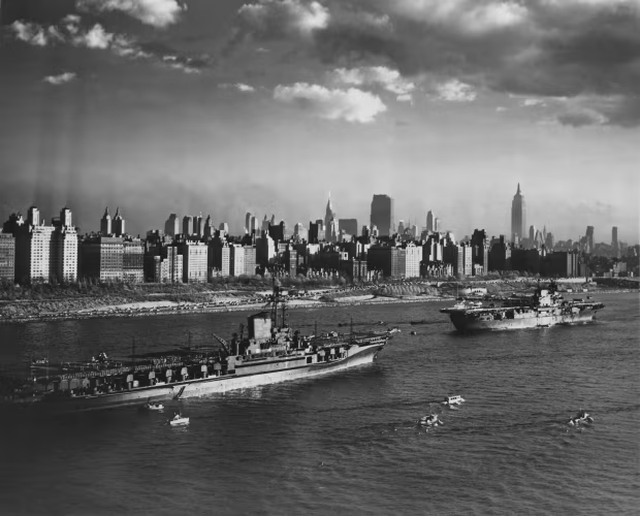
Pas Luftës së Dytë Botërore, marina amerikane mori rolin e garantuesit global të këtij sistemi, duke mbështetur rritjen e tregtisë ndërkombëtare. Megjithatë, sot ky sistem po sfidohet në disa rajone: Rusia në Detin Baltik, lufta në Detin e Zi dhe sulmet në Detin e Kuq kanë dobësuar sigurinë detare globale.
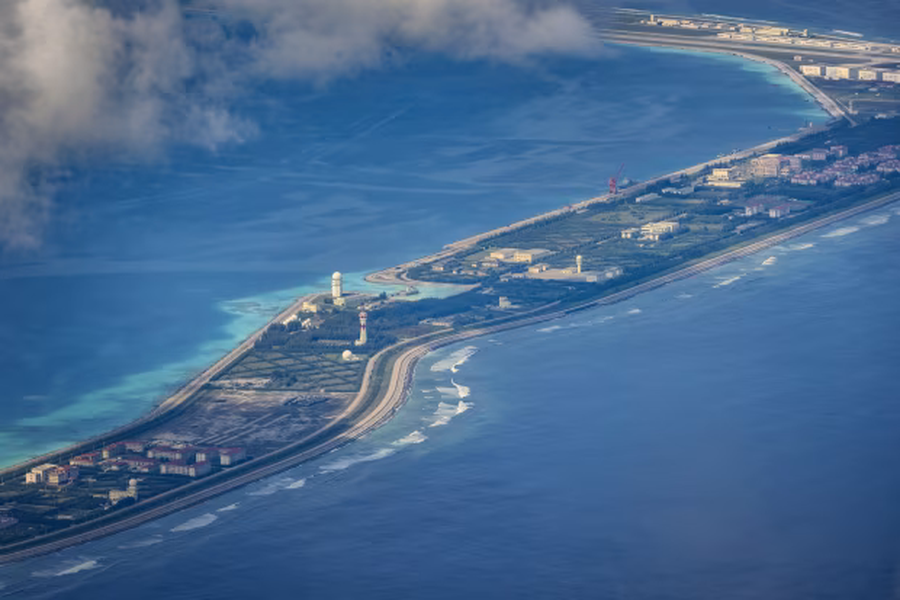
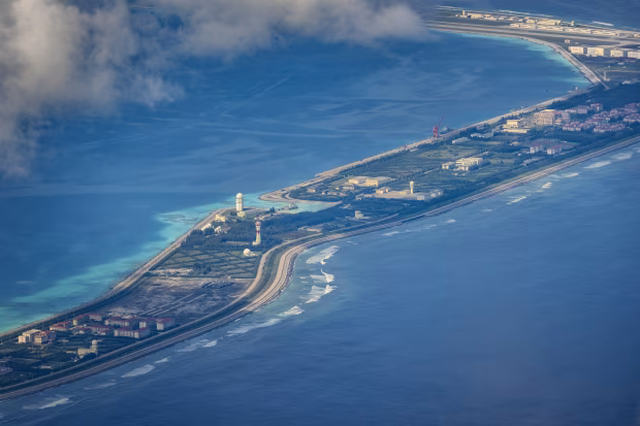
Iran’s control of Hormuz sets a precedent for China in the South China Sea, a route through which more than a quarter of global trade passes. Experts warn that if the world accepts tariffs on Hormuz, it will be difficult to counter Chinese claims in other regions. It remains unclear how such tariffs could be paid without violating US sanctions, while some countries are considering using cryptocurrencies or the yuan.
Russian and Chinese ships appear to receive preferential treatment, while American and Israeli ships rank lower. Legal experts warn of a real risk of international legal chaos. “One major violation leads to others,” they point out.
The developments in Hormuz show that the order of the high seas is entering a new phase of uncertainty, with profound consequences for the economy and global stability. /Adapted from WSJ /




Lini një Përgjigje