


 Shkruar nga Pamfleti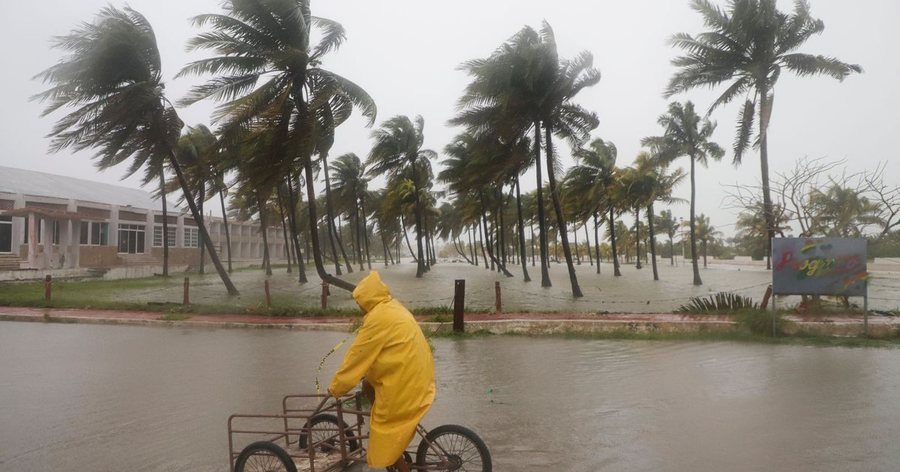
The Atlantic hurricane season got off to a slow start this year, but there have now been 13 named storms, and these may not be the last.
In May, the National Oceanic and Atmospheric Administration (NOAA) warned that this year's season, which runs from June 1 to November 30, had an 85% chance of being more active than usual.
An average year will have a total of 14 named storms, of which seven will be regular hurricanes and three will be major. After a slow start, things have picked up recently. Of the 13 named storms, nine became hurricanes, with four reaching major hurricane status (rated Category 3 or higher on the Saffir-Simpson scale).
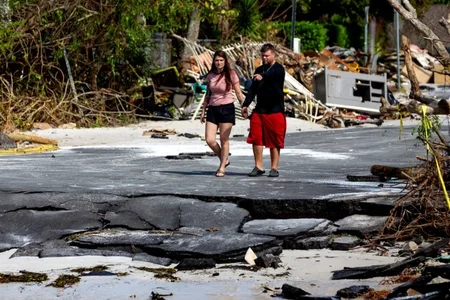
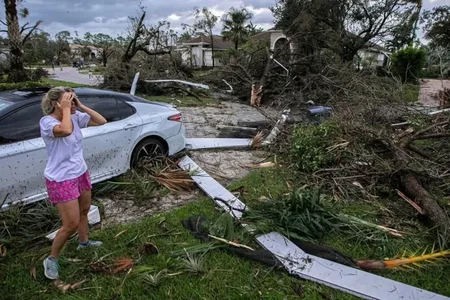
Two have reached Category 5, the highest possible: Beryl - the most powerful storm to make landfall so early in the season, which formed at the end of June - and Milton, which hit Florida this week, writes SkyNews .
August was unusually quiet, likely due to storm activity over Africa being further north than usual, but conditions escalated during September and early October.
We're past the peak of the season, but there's more than six weeks left - so there's still time for more hurricanes to form. And people in Florida are getting used to the idea that more hurricanes can be expected by the end of the year.
In 2005, Hurricane Wilma struck in late October, causing 30 deaths and an estimated $19 billion (£14.5 billion) in damage. With sea surface temperatures still above average, there is a real chance for more hurricanes this season.
But that doesn't mean any such form will have an impact on land or Florida itself, in fact, Tropical Storm Leslie - which has been downgraded to a hurricane - is currently in the central Atlantic without touching any land mass.





Lini një Përgjigje