


 Shkruar nga Pamfleti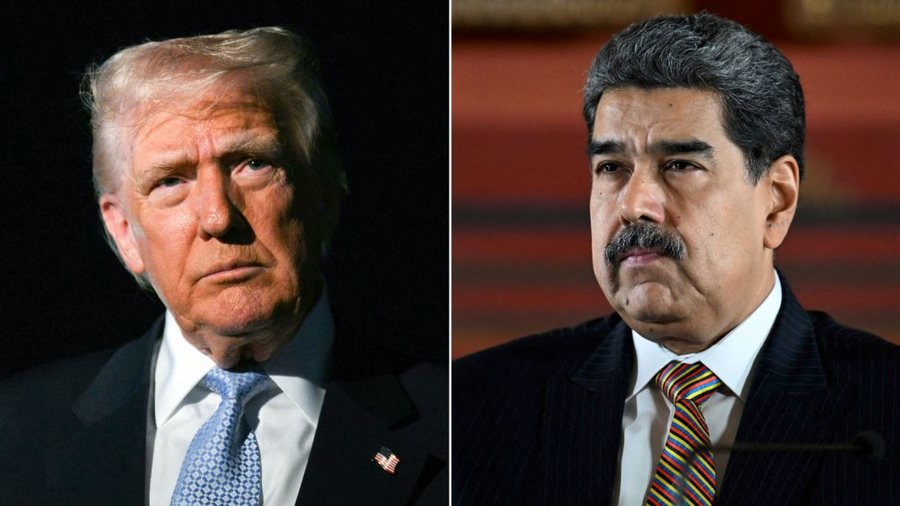
The international laws and norms that Trump has violated were not untouched before. The operation most closely resembles the invasion of Panama in 1990 and the forcible surrender of its leader by the first Bush administration....
Hardly anyone expected 2026 to be a year of peace, and less than two days after its launch, the worst fears were confirmed.
The nighttime airstrikes on Venezuela, the kidnapping of its leader Nicolás Maduro and his wife, and Donald Trump’s declaration that the US will “run” the country and sell its oil have severely undermined international law and global norms. But that’s not even the most disturbing part of the whole story.
Since taking office nearly a year ago, Donald Trump has bulldozed the already fragile foundations of the international order, and today most of it remains in ruins. The events in Venezuela were preceded by airstrikes on small boats in Central American waters, the killing of their crews on unverified drug trafficking charges, and the forcible seizure of Venezuelan oil tankers offshore. It is not yet known how many people were killed in the operation to capture Maduro in the early hours of Saturday.
From a global stability perspective, the most dangerous thing is the fact that Maduro's kidnapping worked.
Trump’s belief in his global omnipotence and his desire to seize other countries’ territories and natural resources had been restrained until now by a fear of getting involved in foreign wars. He had falsely claimed to have ended eight wars, and his greatest ambition in 2025 seemed to be to win the Nobel Peace Prize. Less than a month ago, he was presenting a makeshift substitute—FIFA’s “peace prize”—an act that seems even more absurd today than when Trump hung himself the gold medal.
Trump’s fear of foreign wars appears to be fading. He was clearly enthused by the drama of the operation against Maduro and the efficiency of the American soldiers who carried it out. On Saturday, he declared that he is “not afraid” of sending ground forces into Venezuela to pursue American interests. For an aging president, increasingly irritable, impulsive and volatile, with declining popularity and eager to divert attention from the Epstein scandal, this ever-tighter embrace of military power is an ominous development.
On Saturday morning, Trump seemed intoxicated by the military success. "A lot of good planning and extraordinary troops. It was a brilliant operation," he told the New York Times.
Sulmi ndaj Venezuelës tregon se joshja e territoreve të huaja, e naftës dhe e mineraleve tani po shkëlqen më fort se ambicia për një Nobel.
Pjesa më e madhe e justifikimit ligjor iu la zyrtarëve të tjerë të administratës Trump, të cilët u përpoqën ta paraqesin operacionin si një akt për “sjelljen e Maduro-s para drejtësisë”. Lideri venezuelan ishte paditur në SHBA në fund të mandatit të parë të Trump për korrupsion, trafik droge dhe akuza të tjera.
Maduro është pa dyshim një diktator që ka drejtuar një shtet autoritar që nga viti 2013, përmes zgjedhjeve të konsideruara gjerësisht të manipuluara. Por akuzat specifike për drogë ndaj tij, sipas shumicës së ekspertëve, janë të dobëta dhe nuk përbëjnë bazë bindëse ligjore, as sipas së drejtës ndërkombëtare dhe as sipas asaj amerikane, për një sulm ndaj Venezuelës dhe rrëmbimin e presidentit të saj. Vetë Trump e ka bërë të qartë në deklarata të përsëritura se është më i interesuar për naftën venezuelane sesa për drejtësinë apo demokracinë për popullin e Venezuelës.
Vetëm disa orë pas rrëzimit të Maduro-s, Trump deklaroi se SHBA ishte gati të hynte për të “rregulluar” industrinë e rrënuar të naftës së Venezuelës. “Do të shesim sasi të mëdha nafte”, tha ai.
Ligjet dhe normat ndërkombëtare që Trump ka shkelur nuk ishin të paprekura as më parë. Operacioni i ngjan më së shumti pushtimit të Panamasë në vitin 1990 dhe dorëzimit me forcë të liderit të saj nga administrata e parë Bush. Më pas erdhi pushtimi i Irakut nga George W. Bush mbi baza të rreme dhe përdorimi i gjerë i rrëmbimeve dhe torturave. Barack Obama nuk e mbajti përgjegjëse administratën paraardhëse dhe zhvilloi fushatën e tij të diskutueshme të vrasjeve me dronë.
Këto mund të shihen si hipokrizi të veçuara nga presidentë të mëparshëm, të cilët kërkonin përjashtime nga ligji ndërkombëtar për interesat amerikane, por në përgjithësi e mbështesnin sistemin global me rregulla, sepse ai i shërbente SHBA-së. Trump ka përbuzje të plotë për këtë sistem. Ai e sheh botën me sytë e një imperialisti të shekullit XIX, por me armët e shekullit XXI.
Nuk është e qartë deri ku synon të shkojë Trump në Venezuelë, por ai deklaroi të shtunën se “armata amerikane” do të qëndrojë në rajon derisa “kërkesat e Shteteve të Bashkuara të jenë plotësisht të përmbushura”, kërkesa që me shumë gjasë përfshijnë marrjen nën kontroll të industrisë së naftës.
Ajo që ndodhi gjatë natës në Venezuelë do të shkaktojë shqetësim të menjëhershëm në qeveri si Irani dhe Danimarka, ndaj të cilave Trump ka shprehur gatishmëri për veprime radikale. Ditët e fundit, ai ka deklaruar se SHBA do të mbrojë protestuesit antiqeveritarë në Iran, ndërsa zyrtarët e tij kanë shtuar kërcënimet për marrjen e kontrollit të Grenlandës me çdo mjet të nevojshëm. Muajin e kaluar, shërbimi danez i inteligjencës e cilësoi SHBA-në si rrezik sigurie, diçka e paimagjinueshme deri pak kohë më parë për një aleat të NATO-s.
At a press conference on Saturday, Trump added Cuba to the list of countries targeted, suggesting it is “very similar” to Venezuela “in the sense that we want to help the people.” His Secretary of State, Marco Rubio, added that Havana should be “concerned” about what happened in Venezuela.
These developments accelerate the slide from a largely rules-based world to one with competing spheres of influence, defined by military power and the willingness to use it. American analyst David Rothkopf called this the “Putinization of American foreign policy.”
Russian commentators have often suggested that Latin America is in the US sphere, just as Ukraine was in Russia's shadow. Vladimir Putin thinks the same about large parts of Eastern Europe. Xi Jinping will draw his own conclusions.
The danger that became brutally clear in the early days of 2026 is a danger that, in the end, everyone will face. / Adapted from “Pamphlet” by “The Guardian”


Lini një Përgjigje