


 Shkruar nga Pamfleti
From properties confiscated after the Iranian revolution to the Setad conglomerate, valued at tens of billions of dollars, the economic structure that supports Khamenei's power...
For more than 30 years, Ayatollah Ali Khamenei cultivated a public image of religious simplicity, in line with the Islamic Republic's revolutionary rhetoric. However, according to several investigations by international media, this has not prevented the Supreme Leader of Iran from being linked to a very large private and family fortune, estimated by some analyses to be between 100 and 200 billion dollars.
Several investigations have revealed the existence of a vast and less transparent economic system linked to his figure and the religious foundations under his influence.
At the center of this apparatus is the conglomerate known as the Execution of Imam Khomeini's Order (EIKO), also known as Setad. The structure was created in the late 1980s to administer properties confiscated after the 1979 Iranian revolution. According to an investigation published by Reuters, this organization controls assets worth about $95 billion and has investments in numerous sectors of the Iranian economy, including finance, the pharmaceutical industry, telecommunications and real estate.
Various estimates published over the years suggest that funds linked to Khamenei may also be deposited in banks outside Iran, including Venezuela, the United Arab Emirates, Syria, France, the United Kingdom, and several African countries. According to these analyses, a large part of this wealth was created through economic structures linked to the state.
Several economic comparisons cited by international media indicate that the wealth associated with the Iranian leader's family may significantly exceed annual revenues from Iran's oil exports at some periods.
In practice, this economic network has given the Supreme Leader a financial base that operates in parallel with the official institutions of the Islamic Republic. According to various analyses, the size of this financial structure can be compared to the wealth held by the last Shah of Iran before the 1979 revolution.
The Setad conglomerate and the economic network under the authority of the Supreme Leader
When it was created in 1989, Setad had a limited mission: to administer assets confiscated from former representatives of the shah regime or from people considered to have abandoned the country during the years of revolutionary unrest. In its initial conception, the organization was to be a temporary structure that would redistribute these properties for social purposes.
Megjithatë, gjatë dekadave të mëvonshme, organizata u shndërrua në një nga strukturat ekonomike më të fuqishme në Iran.
Investigimi i Reuters, i realizuar pas 6 muajsh analizash dhe shqyrtimit të qindra dokumenteve të kompanive dhe regjistrave të pronave, e përshkruan Setad si një konglomerat me pjesëmarrje në sektorë kyç të ekonomisë kombëtare. Përmes një rrjeti kompanish të kontrolluara dhe fondesh investimi, organizata ka ndërtuar një portofol të gjerë biznesesh.
Një element që e dallon këtë strukturë nga konglomeratet e tjera iraniane është fakti se ajo i përgjigjet drejtpërdrejt zyrës së Udhëheqësit Suprem. Kjo i jep një autonomi të konsiderueshme nga qeveria dhe parlamenti, duke e bërë atë në praktikë një fuqi ekonomike paralele me institucionet zyrtare të vendit.
Sipas disa investigimeve të cituara edhe nga Daily Telegraph, një pjesë e fitimeve të Setad përdoret për të financuar aparatin administrativ të kompleksit të njohur si Beit Rahbari, ose “Shtëpia e udhëheqësit”, ku punojnë qindra funksionarë dhe bashkëpunëtorë.
Sistemi i konfiskimeve dhe grumbullimi i pronave
Një pjesë e rëndësishme e pasurisë së administruar nga Setad lidhet me mekanizmin e konfiskimeve, i cili është gjithashtu një nga aspektet më të debatueshme të këtij sistemi.
Sipas disa hetimeve, organizata ka përfituar mijëra prona të paluajtshme përmes vendimeve të gjykatave revolucionare, të cilat i shpallnin ato si “të braktisura” ose në pronësi të personave të akuzuar për armiqësi ndaj Republikës Islamike.
Ndër rastet e përmendura në raportet e mediave përfshihen prona të anëtarëve të minoritetit bahá’í, biznesmenëve që janë larguar nga vendi ose familjeve që akuzoheshin se nuk i përdornin pasuritë e tyre. Pas konfiskimit, pronat transferoheshin te Setad, i cili mund t’i shiste, t’i jepte me qira ose t’i integronte në portofolin e tij të pasurive të paluajtshme.
Ky mekanizëm ka krijuar me kalimin e kohës një portofol të madh pronash të shpërndara në qytete të ndryshme të Iranit. Organizata të të drejtave të njeriut dhe disa kritikë kanë ngritur shqetësime për transparencën e procedurave ligjore që kanë çuar në këto konfiskime. Autoritetet iraniane i kanë hedhur poshtë këto akuza dhe kanë deklaruar se aktivitetet e organizatës kanë shërbyer për financimin e projekteve sociale dhe zhvillimit ekonomik në zonat më të varfra të vendit.
Në dekadën e fundit, veçanërisht pas protestave të vitit 2022 në Iran, disa raportime kanë sugjeruar se investimet e lidhura me familjen janë zhvendosur gjithnjë e më shumë jashtë vendit. Sipas këtyre burimeve, fondet janë transferuar përmes ndërmjetësve dhe kompanive të krijuara nga mbështetës të regjimit që jetojnë jashtë Iranit, me destinacione që përfshijnë edhe Lihtenshtajnin dhe Zvicrën.
Rezidenca dhe kompleksi Beit Rahbari
Përveç pasurisë së administruar përmes Setad, figura e Khameneit lidhet edhe me një kompleks rezidencial dhe administrativ në qendër të Teheranit.
After his appointment as Supreme Leader in 1989, Khamenei moved into an apartment on Palestine Street in the Iranian capital. Over the years, an institutional complex known as Beit Rahbari, or “House of the Leader,” developed around this residence.
According to some descriptions, the complex includes about fifty buildings used as offices, residences, and security structures, and employs hundreds of officials connected to the political and military apparatus of the Islamic Republic. The complex also houses the official headquarters from which many of the country's main centers of power are coordinated.
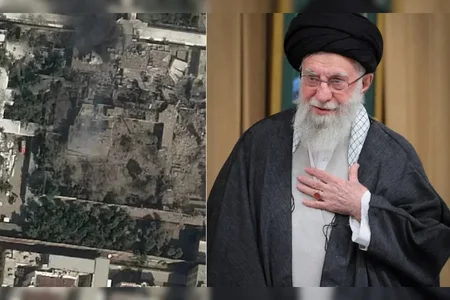
In recent hours, several international media outlets have published satellite images showing significant damage to this complex after an airstrike in Tehran, showing the extent of the area where the Supreme Leader's residence, offices and operational structures were located. /Adapted from Pamphlet /





Lini një Përgjigje