


 Shkruar nga Marlène Laruelle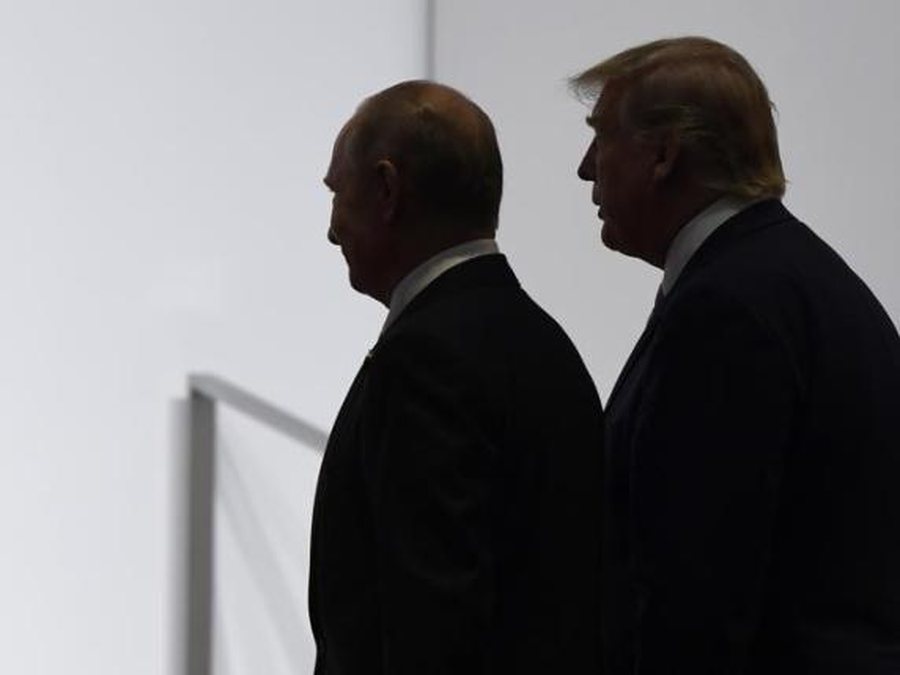
A professor at George Washington University analyzes the arguments of the American president and his circle regarding the supposed decline of Europe. She notes similarities with the narratives promoted by Vladimir Putin regarding the loss of power of the old continent...
Were Europeans worried about the risk of US disengagement and a return to American isolationism? They can rest assured. The new US National Security Strategy (NSS), released on December 5, states quite clearly that Europe is “strategically and culturally vital to the United States.” The price to pay for this renewed interest is becoming one of the export markets for American culture wars, with the consequent increase in intervention.
Conceived by the most ideological wing of Trumpism, embodied by Vice President JD Vance, the New Socialist Mission (NSM) aims to restore Europe’s greatness by painting a grim picture of its “civilizational” bankruptcy. This bankruptcy is described as demographic, political, cultural, and geopolitical, resulting from Europe’s denial of its own identity and the subordination of the European Union to supranational entities.
The NSS report mentions both the "great substitution" conspiracy theory and the notion of censorship allegedly practiced by proponents of "wokism."
These terms echo those that Russia has long displayed. Moscow presents itself as the authentic Europe, the Europe of Byzantium, uncorrupted by the liberalism of the "Anglo-Saxons", a Europe that has preserved the memory of its Christian roots and values the heritage of ancient Europe.
The Kremlin sees itself as the last bastion, the catechumen, literally "the one who restrains" in biblical language, before the arrival of the Antichrist, the fortress against liberal chaos, holding the promise of a salvation that will see Europe rise from its ashes.
Beyond discursive analogies, it would be a mistake to reduce the New Socialist Party (NSP) to a simple transposition of Russian discourse into Trumpian ambitions. The NSP’s argument for the defense of Western civilization has its own national genealogy, which owes nothing to Russia and is based on purely American traditions. Among them are the Judeo-Christian anti-communism of the Cold War, the post-1960s backlash against secularization and multiculturalism, the “clash of civilizations” narrative centered on Islamism after 9/11, and the racialized concept of a threatened West.
Revised doctrinal language
Sinteza e këtyre traditave të ndryshme, e dukshme që nga presidenca e parë e Donald Trump, është zhvilluar si nga zëra radikalë nga bota e MAGA-s (Make America Great Again) si Steve Bannon , ashtu edhe nga grupe mendimi konservatore si Instituti Claremont dhe figura post-liberale të katolicizmit integral si Adrian Vermeule ose Patrick Deneen , të cilët janë ndër mentorët intelektualë të J. D. Vance.
Në presidencën e dytë, kjo gjuhë është ripërpunuar doktrinalisht, e ankoruar në referencë ndaj Etërve Themelues të Shteteve të Bashkuara , ligjit natyror dhe nocionit të "lirisë së rregullt", duke konsoliduar një narrativë qytetëruese amerikane që e paraqet konservatorizmin si bastionin e fundit të Perëndimit kundër Kinës, globalizmit dhe armiqve të brendshëm të përfaqësuar nga progresistët.
Ndërsa diskursi amerikan mbi fshirjen qytetërimeve të Evropës i merr burimet e tij nga traditat dhe referencat amerikane-centrike, ekzistojnë afinitete ideologjike midis rrymave të caktuara Trumpiste dhe Rusisë.
Një rrymë e sheh Rusinë e Putinit si një bastion të vlerave tradicionale, duke nxitur si admirimin fetar brenda së djathtës së krishterë amerikane, madje edhe konvertimet në ortodoksë, ashtu edhe një konvergjencë politike rreth refuzimit të rendit liberal ndërkombëtar, të mbështetur nga figura mediatike si Tucker Carlson .
Një rrymë e dytë, më afër të djathtës radikale ekstreme, promovon një vizion të përbashkët që përzien anti-globalizmin, referencat ndaj italianit Julius Evola (1898-1974) dhe të Djathtën e Re Evropiane, siç shihet në figura si Steve Bannon dhe Alexander Dugin .
Një urë e tretë ideologjike vendoset me Iluminizmin e Zi, një lëvizje neo-reaksionare dhe teknofuturiste që frymëzon figura të tilla si Curtis Yarvin, Peter Thiel dhe Elon Musk , dhe që përqafon një vizion gjeopolitik që i cakton Rusisë një rol udhëheqës në luftën kundër liberalizmit.
Shpëtimi i Evropës nga dekadenca
Në dëshirën e tyre për të shpëtuar Evropën nga dekadenca, si Shtetet e Bashkuara ashtu edhe Rusia mbështeten në të njëjtët partnerë lokalë , ata që NSS i identifikon si parti patriotike evropiane dhe "vende të bashkuara që duan të rivendosin madhështinë e tyre të mëparshme ".
Rrjeti transnacional i joliberalëve është kështu i identifikuar qartë dhe në fakt përputhet me atë të bashkëudhëtarëve të Rusisë.
NSS nuk e identifikon Rusinë në mënyrë eksplicite si një partner në të njëjtin nivel me patriotët evropianë, por parashikon një "stabilitet strategjik" që duhet të rivendoset me Moskën. E vendosur në hierarkinë e kërcënimeve, Rusia nuk përkufizohet më si një rival sistemik global, por si një problem ushtarak rajonal i lidhur me luftën në Ukrainë, i cili mund të zgjidhet nga një qasje Trumpiane që i jep përparësi dialogut midis fuqive të mëdha dhe potencialisht bashkëpunimit ekonomik, me elementët e rrallë të tokës si një fokus kryesor.
On the Russian side, things are more unclear and they prefer to play a cat-and-mouse game with Washington: willing to resume dialogue and a possible illiberal partnership, but also without illusions about its long-term sustainability.
Both regimes, the Russian and the American, thus use the same civilizational language, founded on a foundation of illiberal and conservative values. They share the same representation of Europe as the ailing member of their civilizational body, which must be reformed, even against its will, in order to restore its supposedly lost greatness. However, although their strategic visions for Europe converge, they differ on many other topics, especially on the future of multipolarity.
The American project proposes that Europe unite to win the civilizational battle against China or Islam and maintain global leadership, while the Russian project proposes the sharing of global power among civilizational centers, reducing the overall role of the West. Americans are optimistic illiberals, Russians are pessimistic illiberals about the chances of success for their political project.
From a European perspective, Russian and American rhetoric appear to be coordinated and rely on the same networks of allies. But beware of this optical illusion: a single discursive repertoire, a common enemy, liberal Europe, but two strategic projects that differ in many respects. In the political theology that gives life to Trump’s America and Putin’s Russia, there can be only one catechism, not two, so only a post-liberal multipolarity, still largely undefined, could make their coexistence possible. /Adapted from Le Monde /
Marlène Laruelle is a professor at the Institute for European, Russian, and Eurasian Studies at George Washington University in Washington and director of the Program on the Studies of Illiberalism.



Lini një Përgjigje