


 Shkruar nga Pamfleti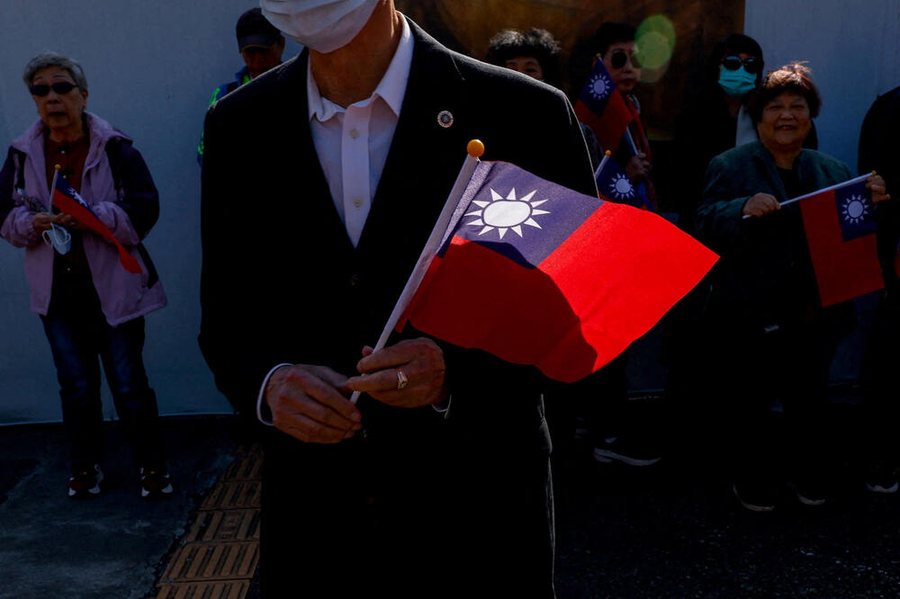
Great powers watch each other to see which strategies work. The Trump administration's pressure on Cuba could serve as a model for Beijing in its push for "reunification" with Taiwan.
Since returning to power last year, US President Donald Trump has ordered military strikes from the Caribbean and the Eastern Pacific to Africa and the Middle East, targeting suspected drug-trafficking vessels and suspected terrorist groups. He invaded Venezuela and captured its leader, Nicolás Maduro. He also joined Israel in a major attack on Iran, a significant escalation from last year’s strikes that reportedly “destroyed” the country’s nuclear facilities.
Meanwhile, he is increasing pressure on Cuba, hoping that the humanitarian crisis that may ensue will pave the way for a "friendly takeover" of the island by the United States.
As Trump acts in flagrant violation of international law, China is watching him carefully. The Cuba model in particular offers an example that Chinese President Xi Jinping can use in his attempt to achieve the “historic mission” of reunification with Taiwan. It is a practical demonstration of how a superpower can gradually coerce a country into submission.
Modern societies depend on a few essential systems, such as food, water, transportation, and communications. But one system controls all the others: energy. Electricity powers water pumps, cooling systems, health services, digital networks, and industrial and agricultural production. When the power grid begins to fail, other vital systems begin to collapse, along with social stability. For this reason, countries that rely heavily on imported fuels for energy production are inherently vulnerable.
In the case of Cuba, which has long been dependent on oil purchased mainly from Venezuela and Mexico, Trump has exploited this weakness by imposing a complete blockade of fuel supplies. Millions of people have been left without electricity. Water pumping stations have been shut down. Tractors and delivery trucks have been left unused, which has led to rising food prices, shortages and increased hunger. Hospitals are struggling to function due to frequent power outages.
According to the logic of this strategy, suffering is the goal itself: it serves as a means of pressure on the regime, whose fall Trump claims is imminent.
Për Xi Jinping, një rrethim i tillë detyrues ndaj Tajvanit mund të jetë më tërheqës sesa një pushtim i plotë përtej Ngushticës së Tajvanit, i cili do të përballej me sfida të mëdha logjistike dhe me shumë gjasa do të përfshinte SHBA-në dhe Japoninë në konflikt. Në vend që të lëshojë raketa drejt Tajpeit apo të dërgojë trupa në plazhet tajvaneze, Kina mund të shpallë një karantinë detare ose një regjim kontrollesh doganore rreth ishullit, ku anijet e rojës bregdetare kineze do të ndalonin tankerët energjetikë që drejtohen drejt porteve të Tajvanit për “kontrolle sigurie” ose “operacione kundër kontrabandës”.
Edhe ndërhyrjet e moderuara mund të krijojnë shpejt pengesa në furnizim. Duke qenë se Tajvani importon pothuajse të gjithë karburantin e tij, kryesisht gaz natyror të lëngshëm, dhe ka rezerva për vetëm rreth dy javë, radhët e tankerëve LNG që presin në det të hapur mund të shkaktojnë mungesa zinxhir brenda pak javësh. Ashtu si Kuba, Tajvani do të përballej me ndërprerje të energjisë që do të paralizonin sistemet e ujit dhe të kujdesit shëndetësor. Prodhimi industrial, përfshirë fabrikat e gjysmëpërçuesve që mbështesin ekonominë digjitale globale, do të ndalej. Qëllimi nuk do të ishte kapitullimi i menjëhershëm, por një rraskapitje graduale.
Kjo qasje graduale është thelbësore. Një veprim dramatik do ta trondiste sistemin ndërkombëtar dhe do t’i detyronte të tjerët të reagonin. Por rritja e vazhdueshme e kontrolleve “rutine” ndaj anijeve, që shkakton vonesa gjithnjë e më të mëdha dhe pasoja ekonomike e shoqërore, nuk krijon një moment të tillë tronditës. Çdo hap duket i pamjaftueshëm për të justifikuar një përgjigje të madhe ushtarake. Kjo nuk është një risi e Trump: Xi është mjeshtër i taktikave të tilla, të cilat i kanë mundësuar të arrijë përfitime strategjike, si në Detin e Kinës Jugore ashtu edhe në Himalaje, pa qëlluar asnjë plumb.
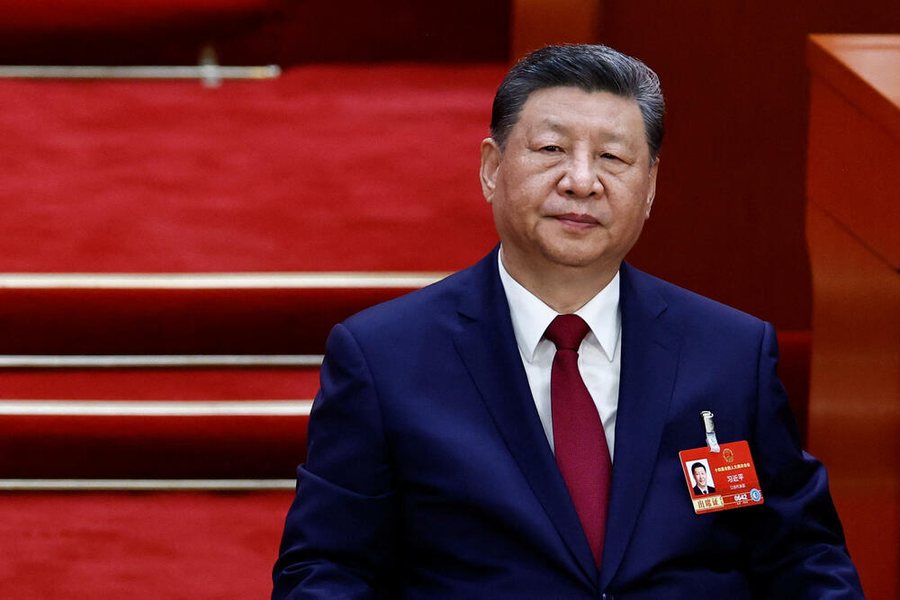
Në rastin e Tajvanit, Kina mund të presë derisa kriza ekonomike dhe humanitare që ka shkaktuar vetë të bëhet aq e rëndë sa të justifikojë një ndërhyrje për “stabilizimin e ishullit” dhe “shpëtimin e popullsisë së tij”. Ashtu si në rastin e “marrjes miqësore” të përmendur nga Trump, që paraqet detyrimin gjeopolitik si një lloj ristrukturimi korporativ, logjika është e ngjashme me atë të zhvatjes: fillimisht krijo problemin dhe më pas paraqitu për ta “zgjidhur”.
E gjithë kjo mund të zhvillohet nën një mjegull paqartësie juridike. Ndërsa një bllokadë formale detare sipas së drejtës ndërkombëtare do të konsiderohej akt lufte, një regjim karantine ose inspektimesh mund të paraqitet si zbatim i ligjit dhe jo si veprim ushtarak. Qeveria kineze, e cila këmbëngul se Tajvani është një provincë kineze dhe jo një shtet sovran, ka të ngjarë t’i paraqesë këto kontrolle detare si një çështje të brendshme administrative.
The question is whether Japan and the United States would risk war with a major nuclear power and the world's second-largest military spender over an action that appears to be enforcing customs rules. And would they want to take responsibility for a crisis-stricken Taiwan? The answer could easily be no, especially at a time when the US is deploying men and resources due to the Trump administration's multiple military interventions abroad.
Other countries would also be even less likely to intervene in Taiwan’s defense. Just as the US uses threats of tariffs to prevent third countries, such as Mexico, from supplying Cuba with oil, China could use its central role in global trade and control over the supply of rare metals to deter opposition to an encirclement of Taiwan.
Great powers watch each other carefully. What works for one becomes a model for others, today and in the future. In this sense, what is happening with Cuba is not a single tragedy; it is a test and a trial. If the world watches in silence as Trump squeezes Cuba and its 11 million people, Xi will have little reason not to apply the same strategy to Taiwan’s 23 million people. /Adapted from Project-Syndicate /


Ky parashikim nuk ka asgje te perbashket me realitetin ne Venezuela, Meksike ose Kuba. Para se gjithash problemi me keto vende eshte se ato jane te varfra qe ne rastin e Venezueles dhe Kubes shume te varfra. Keto vende u bene shume problematike per Ameriken per drogen qe i dergoojn asaj perjashto Kuben. Por te treja keto vende e mbyten Ameriken me emigrante. Ky realitet nuk qendron me Taivanin. Nuk shkon droge ose emigrante nga Taivani ne Kine. Po te ishte rasti I itille Kina me te drejte do ta kishte pushtuar Taivanin me kohe dhe askush nuk do ankohej duke qene se Kina ka dhe ligje shume te ashpra kunder droges. Nga Ana tjeter Amerika vetem se ka bllokuar naften nga Venezuela per ne Kuba sepse ka deshire ta beje kete por nuk e ka ndaluar Kuben te bleje nafte nga kushdo vend tjeter gje qe nuk aplikohet ne Taivan sepse Taivani mund ta bleje energiene ku te doje. Bashkimi I Kubes me Ameriken mund te jete vullnetar per shkak se njerzit aty Jane shume te varfer, rrogat mujore jane $12–$15 ne muaj. Bashkimi I Taivanit me Kinen vullnetarisht nuk ndodh kurre.