


 Shkruar nga Pamfleti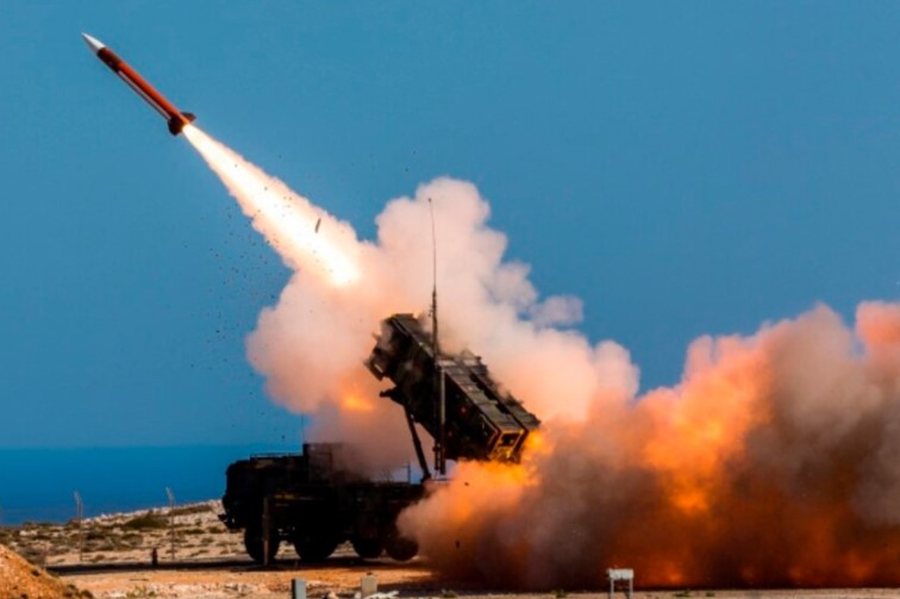
Two former senior US military commanders said Europe's air defenses are not prepared to deal with the scale of the threat from Russia, while the head of the US Navy's air and missile defense task force told Radio Free Europe that preventing attacks "is always like a cat and mouse game."
These statements come at a time when European countries are embarking on a massive rearmament program, approved last month, with air defense at the top of the priority list.
"Look at what happened in the big cities of Ukraine. The same thing could happen in some of the big cities of Europe," Philip Breedlove, former NATO supreme commander in Europe, told Radio Free Europe.
"If you're sitting somewhere and you think you're under some magical shield like in TV programs, it's not a good place to be," he added.
Russia's daily bombing of Ukraine has best illustrated the importance of air defense.
According to an analysis conducted in February by the Center for Strategic and International Studies (CSIS) in Washington, Russia has launched an average of 24.3 missiles and drones per day towards Ukraine since the start of its invasion of this neighboring country in 2022 – over 25,000 in total.
The consequences have been power outages, infrastructure destruction, and numerous civilian casualties. Russia has used a variety of missiles, from drones, modified Soviet-era glide bombs, to cruise missiles. There are also various types of air defense.
The leader of US Navy Task Force 64, Commander Mike Dwan, told Radio Free Europe that NATO's "overlapping fields of fire" provide a full range of protection.
Dwan is stationed with the Sixth Fleet in Naples, Italy, but spoke from the U.S. ballistic missile defense base in Redzikowo, Poland. His command combines that base with a similar one in Deveselu, Romania, and a fleet of U.S. bombers operating from Spain.
They use a system called Aegis to target ballistic missiles.
"We do this in the upper atmosphere, above 100 kilometers altitude. All of these [missile] interceptions... are happening in space," Dwan said.
The system was successfully used twice last year against Iranian intermediate-range ballistic missiles aimed at Israel. “We used a capability, a chain of engagement, very similar to what we have here for a threat coming towards NATO,” he added.
The system relies on a network of sensors, but this, according to Breedlove, is also its weak point.
“Për një kohë kishte këtë ndjesi të rreme se, në rregull, kemi Deveselun, kemi Poloninë, kemi këto dy kapacitete të mrekullueshme amerikane, por u dini ato filmat ku sheh qendra komanduese dhe çdo raketë që hidhet rrëzohet, ato janë trillime”, deklaroi ai.
Probabiliteti i goditjes fatale
Në një fushë të mbushur me zhargon teknik, Breedlove iu referua me shkurtesën në anglisht POK (probaliteti i goditjes fatale). Ky varion nga 95 për qind në zonat me dendësi të lartë sensorësh, deri në vetëm 30 për qind në zona të tjera. Evropa, sipas tij, duhet të “forcojë rrjetin”.
Ai nuk pranoi të specifikonte se ku mund të bëhet kjo.
“Kombet e dinë saktësisht se ku janë boshllëqet. Ne i kemi sjellë në qendrat e simulimit të raketave dhe u kemi treguar si funksionon kjo”, deklaroi ai.
Në Redzikovo ka tre raketahedhës, secili me nga tetë raketa. A mund të mbingarkohet kapaciteti i tij?
“Kjo mund të ndodhë”, tha Dwan.
“Këtu në Poloni, kemi përgjigje të planifikuara paraprakisht për mbulim të prioritarizuar. Njësoj është edhe në Rumani si dhe në sistemet tona në det.... Gjithnjë është një situatë sikurse macja me miun: sa raketa po lëshohen dhe sa jemi në gjendje të rrëzojmë”.
Por, Dwan theksoi rëndësinë e parandalimit. Nëse sistemi Aegis nuk arrin të kapë një raketë, atëherë do të aktivizohej një shtresë tjetër, si për shembull një bateri Patriot, për ta rrëzuar raketën.
“Mbrojtja me shtresa” nënkupton që “çdo armik i mundshëm duhet të mendojë dy herë, ndoshta edhe tri apo katër herë” para se të sulmojë.
Kërcënimi nga dronët e Rusisë
Breedlove tha se një tjetër dobësi kyç e NATO-s është mbrojtja kundër dronëve, një fushë ku Rusia tani ka më shumë përvojë.
“Po përballemi me një sasi shkatërruese kapacitetesh me dronë që sulmojnë [Ukrainën], dhe mbrojtja ajrore e Amerikës – e lëre më e Evropës – nuk është e përgatitur për këtë lloj lufte, për këto përmasa”, tha ai.
Ben Hodges, ish-udhëheqësi i Ushtrisë amerikane në Evropë, pati një vlerësim të ngjashëm kur foli për REL-in muajin e kaluar.
“E dini, ne kurrë, kurrë nuk kemi pasur mjaftueshëm mbrojtje ajrore për të mbuluar çdo gjë… Ne prioritarizojmë atë që duhet mbrojtur”, deklaroi ai. “Nuk ekziston një mburojë totale”.
Hodges tha se planifikuesit ushtarakë të NATO-s do të marrin të dhënat për “ditën tipike” të sulmeve ruse në Ukrainë, “dhe do t’i përdorin ato për të vlerësuar portet e Bremerhavenit, Gdanskut ose Klaipedas në Lituani, për shembull, dhe do të analizojnë se a kemi mjaftueshëm mbrojtje ajrore dhe raketore? Nuk jam i sigurt se kemi”.
Gjermania udhëhoqi Iniciativën e Mbrojtjes Ajrore Evropiane (ESSI) në vitin 2022, pas fillimit të pushtimit rus të Ukrainës. Duke bërë bashkë 24 shtete evropiane, kjo nismë ka për qëllim mundësinë e blerjes së përbashkët të sistemeve të mbrojtjes ajrore dhe raketore dhe inkurajon ndërveprueshmërinë.
But some countries, such as France, Spain and Italy, have not joined the initiative. France has criticized the initiative for including systems (such as the American Patriot systems) and non-European components.
Airpower
Hodges said NATO fighter jets compensate for some of Europe's weaknesses.
"Our air force is a critical part of that. I think that perhaps the increasing amount of air power that we have, particularly with Finland and Sweden... will provide us with capabilities that the Ukrainians currently don't have to counter Russian air and missile attacks."
Hodges added that air power is also a key U.S. contribution to air defense. But Europe's efforts to bolster its defenses come at a time of uncertainty about the U.S.'s continued commitment to its security. So how would Europe defend itself without a U.S. role?
"The biggest gap would be the US Air Force, early warning, intelligence... and then the US contribution to the NATO air command at Ramstein."
Dwan's command is also an important capacity.
The ESSI initiative envisages the use of Arrow-3 systems, which can intercept ballistic missiles. But this will take time and these systems are not produced in Europe, as they were developed by Israel and the US./REL








Lini një Përgjigje