


 Shkruar nga Pamfleti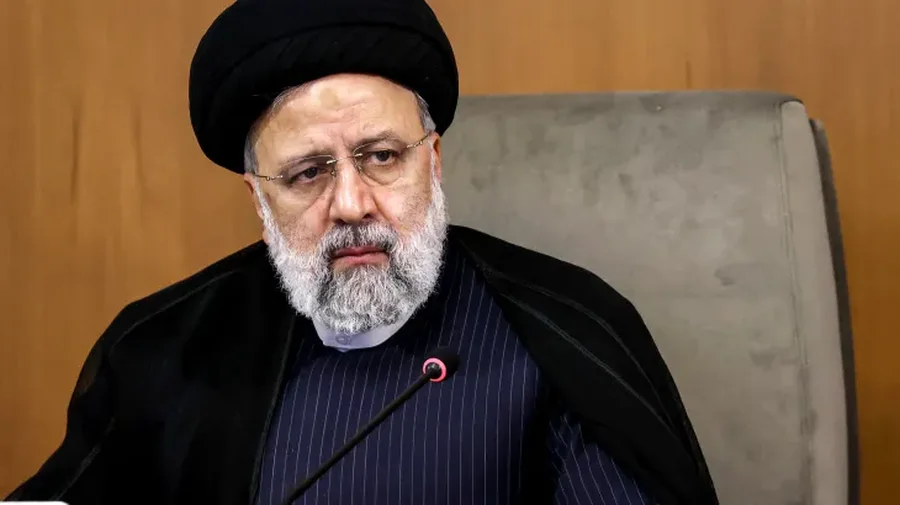
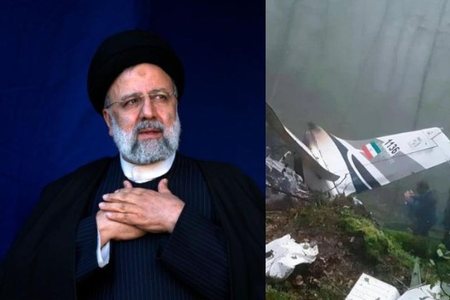
The death of Iran's president and foreign minister in a plane crash comes at a particularly difficult time in the Middle East, as well as for Iran.
Israel's war against Hamas and the subsequent humanitarian catastrophe in Gaza over the past seven months has "ignited" global opinion and heightened tensions across the Middle East. It has also exposed a decades-long war between Iran and Israel.
Last month, Iran launched a drone and missile attack on Israel in response to an Israeli airstrike on Iran's consulate in Damascus that killed a senior commander of Iran's Revolutionary Guards (IRGC).
Israel retaliated a week later, according to US officials, by striking targets outside the Iranian city of Isfahan. Since then, direct attacks between the two have stopped. But the proxy war continues with Iranian-backed militias such as Hamas and Hezbollah continuing to fight Israeli forces.
Meanwhile, Iran's leadership has faced an explosion of demonstrations in the streets of the country where US sanctions have hit the Iranian state hard.
The country was rocked by youth-led demonstrations against clerical rule and deteriorating economic conditions following the 2022 death of Mahsa Amini in custody of Iran's notorious morality police.
Iranian authorities have since launched a broad crackdown on dissent in response to the protests.
The crackdown has led to human rights violations, some of which amount to "crimes against humanity," according to a United Nations report published in March.
And while the protests have largely stopped, opposition to the clerical leadership remains deep-rooted among many Iranians, especially young people, who want reforms, jobs and a move away from religious rule.
Raisi was elected president in 2021 in a vote heavily engineered by the Islamic Republic's political elite so that he would run virtually uncontested.
Raisi defeated a more moderate candidate, and his victory was seen as signaling the beginning of a new, harsher era in Iran. Yet turnout for that election was only 41 percent, a record low.
The powers of Iran's president have ultimately been dwarfed by those of Supreme Leader Ayatollah Ali Khamenei. With the death of Rais, new elections are likely to be held.
The Iranian constitution mandates that the vice president, currently Mohammad Mokhbar, will take over as interim president and that new presidential elections will be held within 50 days.
That means Iran's clerical establishment, headed by Khamenei, must now find a new leader it can support against a backdrop of intense regional uncertainty and domestic discontent./CNN


Lini një Përgjigje