


 Shkruar nga Pamfleti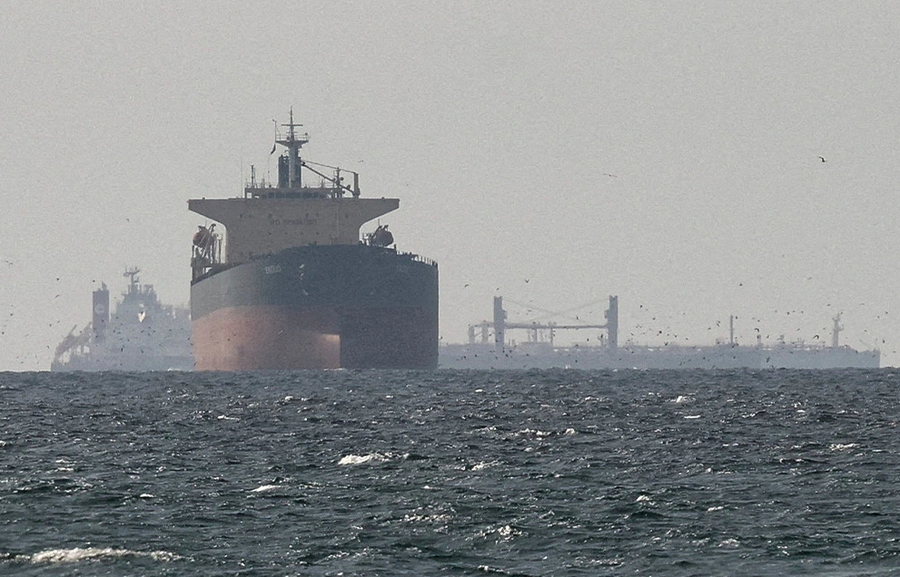
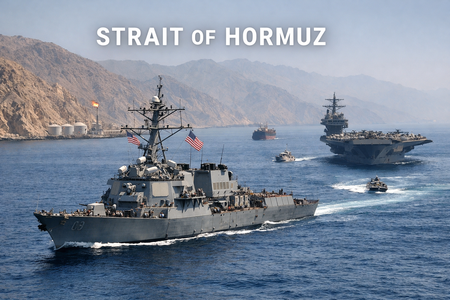
NATO member states have said they will not join US President Donald Trump's plan to impose a blockade on the Strait of Hormuz, proposing to intervene only after the fighting ends. The stance is expected to increase tensions within the alliance.
President Trump has said the US military will work with other countries to block shipping in the strait after talks between the US and Iran over the weekend failed to reach an agreement to end the conflict.
The US military later clarified that the blockade, which was expected to take effect at 5:00 p.m. Greek time, would only apply to ships heading to or coming from Iranian ports.
Since the war began on February 28, Iran has largely restricted passage through the Strait of Hormuz to all but its own ships. Tehran aims to consolidate control over the strategic route and impose tariffs on ships that use it.
In a post on the "Truth Social" network, Trump stated that the blockade would begin soon and that other countries would join.
However, key NATO allies, including Britain and France, have stressed that they will not be drawn into the conflict through a blockade. They say they are working on an initiative aimed at reopening the sea route, through which about a fifth of global oil supplies pass.
This refusal constitutes another point of friction with Trump, who has previously threatened to withdraw the US from NATO and is considering reducing the US military presence in Europe, following the refusal of several countries to allow the use of their airspace for operations against Iran.
British Prime Minister Keir Starmer told the BBC that London does not support the blockade. He stressed that, despite considerable pressure, his country will not be involved in the war.
NATO Secretary General Mark Rutte has informed European governments that the US is seeking concrete commitments to secure the Strait of Hormuz. He stressed that NATO can only intervene if all 32 member states agree to a joint mission.
Several European countries have expressed their willingness to contribute, but only after a sustainable ceasefire and an agreement with Iran that guarantees the safety of their ships.
French President Emmanuel Macron has announced that France, along with Britain and other countries, will host a conference to create a multinational mission aimed at restoring freedom of navigation in the area. He stressed that this mission would be strictly defensive and would be deployed only when conditions permit.
Under the plan, military ships would escort the tankers to ensure safe passage without engaging in fighting. A French diplomatic source said a meeting involving about 30 countries could take place soon in Paris or London to coordinate the details.
However, it remains unclear whether the US will support this initiative, as the Trump administration already sees the Strait of Hormuz as a tool of strategic pressure in the conflict with Iran.


Lini një Përgjigje