


 Shkruar nga Pamfleti
Iran is exposing the limits of a presidency built on bluff, improvisation, and rituals of submission…
The way Donald Trump's administration is managing the standoff with Iran has seriously questioned the credibility of American foreign policy, writes Fareed Zakaria in an analysis originally published in The Washington Post.
The author points out that after Barack Obama's presidency, one of the main criticisms of him was his withdrawal from the "red line" in Syria, when he did not take military action after the use of chemical weapons. At the time, Donald Trump and other Republican figures described this as a failure that damaged the US's international reputation.
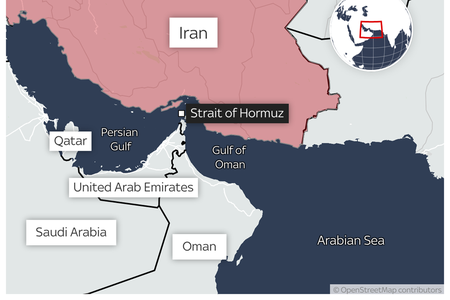
However, Zakaria argues that recent developments in the Iran crisis make Obama's decision seem more prudent. Last week, Trump warned on social media that the US would strike Iran's energy infrastructure if the latter did not open the Strait of Hormuz within 48 hours.
Iran did not heed this ultimatum and continued its actions. In response, Trump postponed the decision to attack, stating that “productive talks” were taking place between the parties. Iranian authorities denied the existence of these talks. Later, the US president announced a further postponement of the decision.
According to the analysis, this behavior shows a recurring pattern: strong statements that change quickly and policies that do not remain consistent. Zakaria points out that Trump's statements about tariffs, war or military objectives often do not translate into consistent policies.
The analysis also notes that the instability in statements and decisions has damaged the international perception of American credibility. Instead of a predictable policy, the situation is presented as a shaky process, where positions change from day to day.
Fareed Zakaria's full analysis
In the years following Barack Obama’s presidency, it became widely believed that one of his major foreign policy mistakes was his “red line” in Syria. He had said he would attack Syria if it used chemical weapons, but when evidence emerged that such weapons had been used, he passed the issue of intervention on to Congress, which refused to act.
“A disaster,” Donald Trump called it at the time. The cause of “generational and reputational damage,” said Sen. Marco Rubio (R-Florida). Part of “a labyrinth of ambiguity” in foreign policy, Pete Hegseth argued a few years later. By ignoring a red line he had drawn himself, explained Sen. Lindsey Graham (R-South Carolina), Obama risked squandering American credibility around the world.
Tërheqja e Obamës nga vija e kuqe duket si model i politikëbërjes së kujdesshme krahasuar me atë që kemi parë që nga fillimi i luftës me Iranin. Javën e kaluar, Presidenti Trump postoi në rrjetet sociale se “Nëse Irani nuk hap plotësisht, pa kërcënim, Ngushticën e Hormuzit, brenda 48 orëve nga ky moment i saktë, Shtetet e Bashkuara të Amerikës do të godasin dhe shkatërrojnë termocentralet e tyre të ndryshme, duke filluar me më të madhin.”
Pjesa tjetër e historisë është tashmë e njohur. Irani refuzoi të frikësohej nga ky kërcënim dhe vazhdoi sulmet e tij dhe mbylljen e ngushticës. Reagimi i Trump-it? Tërheqje e shpejtë dhe njoftim se kishte shtyrë çdo veprim ndaj infrastrukturës energjetike për pesë ditë, duke pretenduar se papritur, brenda natës, Irani dhe SHBA kishin hyrë në “bisedime produktive” drejt një “zgjidhjeje të plotë dhe përfundimtare të armiqësive tona në Lindjen e Mesme.” Iranianët mohuan që bisedime të tilla të kishin ndodhur. Tani Trump thotë se po e zgjat pauzën edhe për një javë e gjysmë.
Tashmë është e qartë se Trump po gjykohet me një standard më të ulët. Kur ai thotë se do të rrisë tarifat në 130 për qind ose se do të shkatërrojë fushën më të madhe të gazit të Iranit ose se “lufta është shumë e përfunduar, pothuajse,” asnjë nga këto deklarata nuk do të thotë shumë. Ato mund të jenë politika reale amerikane ose jo, ose mund të qëndrojnë si politika për një ditë apo një javë, pas së cilës do të ndryshojnë. Pasi tha se lufta ishte pothuajse e përfunduar, po atë ditë Trump deklaroi se “nuk kemi fituar mjaftueshëm” dhe se “nuk do të ndalemi derisa armiku të jetë plotësisht dhe vendosmërisht i mposhtur.” Ai ka thënë se kishte rënë dakord të negocionte me udhëheqësit e Iranit, por më pas nuk mundi sepse ata vazhdojnë të vriten—ndërkohë që, natyrisht, janë vetë ushtria e tij (dhe Izraeli) që po kryejnë këto vrasje. Gjithçka e qartë?
Mbështetësit e Trump-it pretendojnë se kjo paqartësi është gjeni strategjik, se ai po i mban të gjithë në pasiguri. Përveçse politika duket se ndryshon për arsye të ndryshme: ndoshta bie tregu i aksioneve, ose ndoshta vendi në shënjestër lavdëron Trump-in dhe i jep një shufër ari. Superfuqia e Trump-it është se ai është mjaftueshëm fleksibël për të ndryshuar menjëherë drejtim dhe ka një bazë që pranon çdo gjë që ai propozon. Dikur fuqimisht kundër luftërave në Lindjen e Mesme, shumë nga ndjekësit e tij MAGA tani besojnë në këtë luftë me zellin e të konvertuarve. Dhe ndërsa Trump ka bërë të qartë se dëshiron t’i japë fund armiqësive, problemi këtë herë, ndryshe nga tarifat, është se ai nuk mund të ndalë atë që ka nisur. Irani ka zërin e vet. Dhe aktualisht po zgjedh të vazhdojë luftën, duke llogaritur se, edhe pse i dobësuar, ka mjaftueshëm fuqi ushtarake për të dëmtuar ekonominë botërore, duke i shkaktuar kështu dhimbje SHBA-së.
For the world, there is no longer any such thing as American credibility, but a strange reality show-like reality in which the main actor deviates, vacillates, and maneuvers through crises, hoping that what he says today will resolve the crisis caused by what he said yesterday.
A day before he threatened to destroy Iran’s nuclear power plants, Trump had declared that the US was considering “stepping down” its military operations against Iran and implied that defending the Strait of Hormuz was not his problem and could be handled by other countries that import through it. At another point, he said he did not need any other country’s help. Businessmen once complained to previous administrations about policy uncertainty. Now they line up to praise Trump as his carnival of chaos shakes markets almost weekly.
Trump is accustomed to playing with the great power of the United States, punishing those who do not bend and rewarding those who do. In doing so, he is squandering the credibility built up over decades to extract short-term gains, sometimes to the benefit of his family’s business interests. But in Iran, he appears to be facing an adversary who does not play by his rules. /Adapted from Pamphlet /
This article was originally published in The Washington Post and is republished on ForeignPolicy


Lini një Përgjigje