


 Shkruar nga Corriere della Sera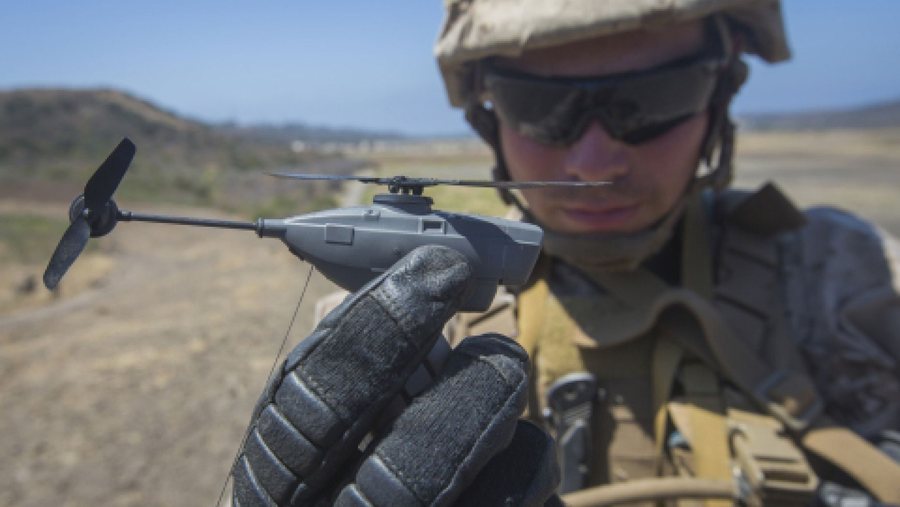
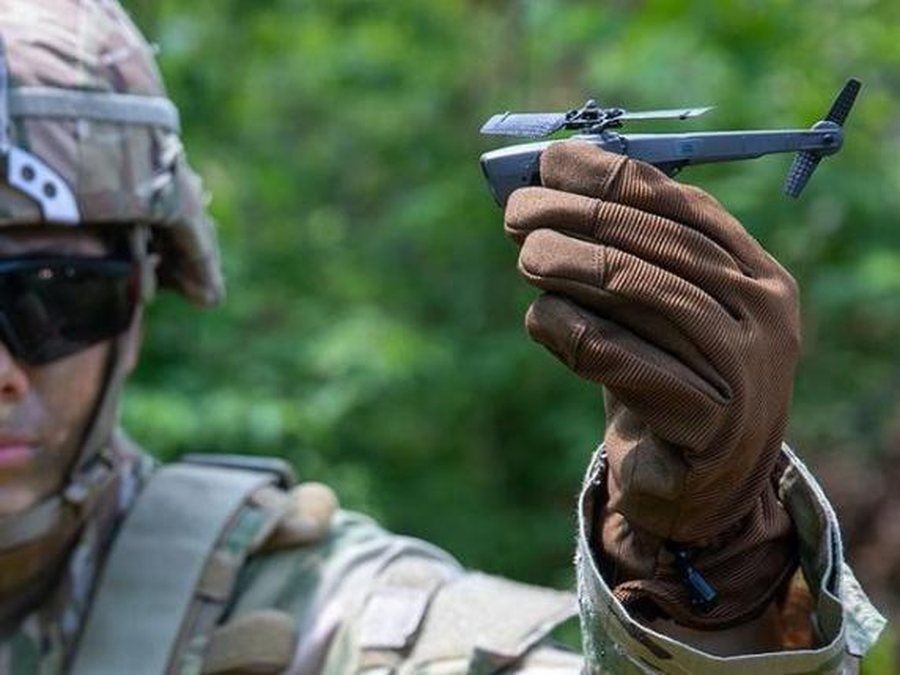
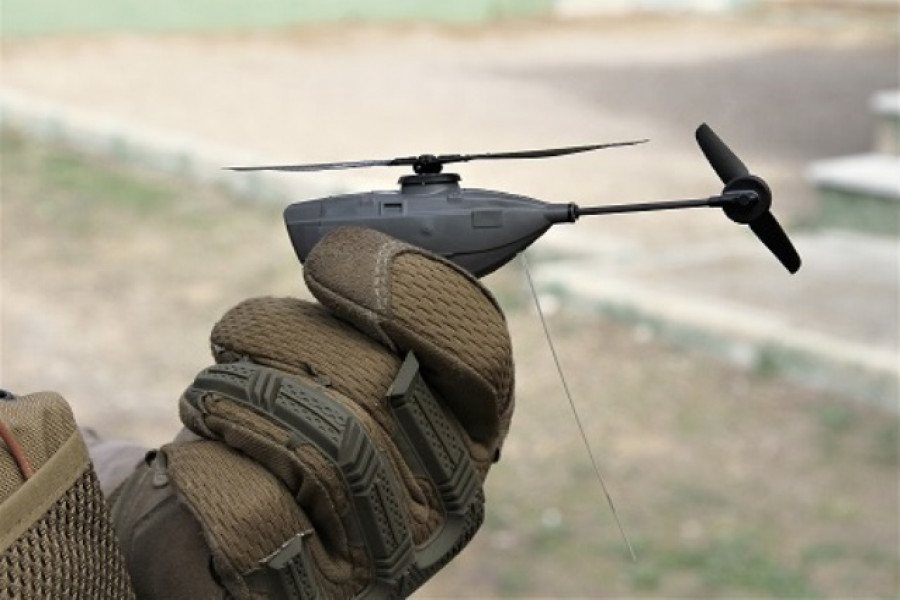
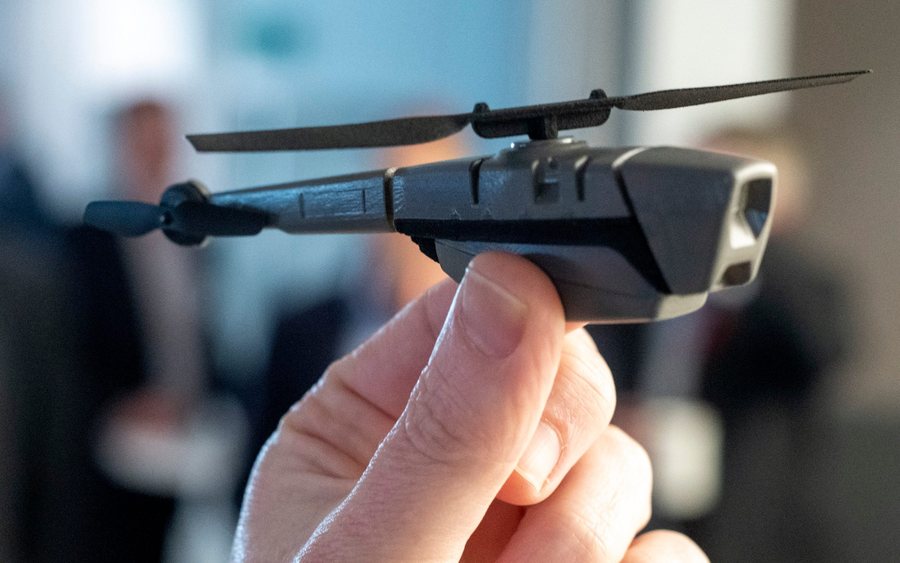
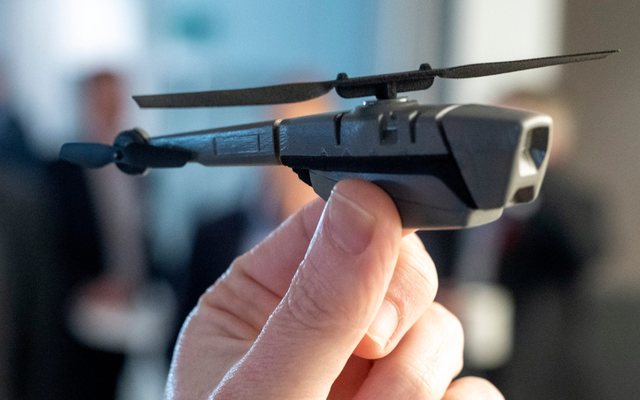
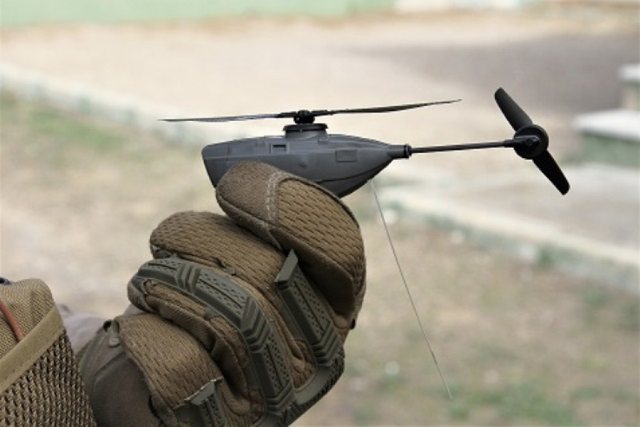
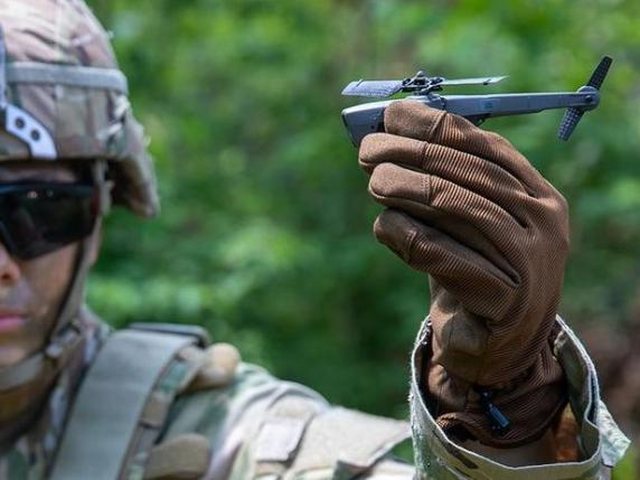
They are the smallest and lightest military drones used on the battlefield. They weigh about 60 grams, can land in the palm of your hand and approach more than ten meters without being heard. They are the tiny Black Hornet Personal Reconnaissance System nano-reconnaissance helicopters, and they fly in groups over the skies of Ukraine, where they arrived in the summer thanks to US defense funding. They could easily be considered a 007 style weapon and, like all secret weapons, very little is known about them. In practice we only know that "they are used very efficiently," as Dave Viens, vice president of Teledyne FLIR Defense, the company that builds them, says.
How was the Black Hornet born?
The Black Hornets story begins in the early 2000s when Norwegian inventor Petter Murren patented systems to keep small drones stable and founded Prox Dynamics, a company based near Oslo. In 2009, Black Hornet prototypes were presented for the first time, and just two years later, the British Army used them in Afghanistan under the name PD-100: «Personal Drone». At the time, operators could only fly first-generation Black Hornets for about half the current flight time and suffered greatly from strong winds. Moreover, the control distance was limited to only one kilometer, while the videos they managed to make were of low resolution. However, as the British confirm, it was a success because they saved lives, adding protection and situational awareness to the forces on the ground. At that point the Norwegian company continued to sell batches of nano-drones to various foreign customers and eventually caught the attention of the US military who purchased a test batch in 2019, which was followed by others. In 2016, Prox Dynamics was acquired by the American FLIR (sensor expert) which in turn in 2021 was acquired by Teledyne Technologies, thus marking the final shift of the technology to the military and the American field.
Each nano-drone is worth as much as a Porsche
When the UK bought a batch of 324 black 'wasps', it paid 20 million pounds (about $25 million) for them, which is over $100,000 in today's value for each nano-drone. Even accidentally stepping on it is more or less equivalent to destroying a Porsche. Therefore, since it is inevitable that some specimens will be lost in action for various reasons, it is clear that these devices must become quite cheap in the future. / Pamphlet








Lini një Përgjigje