


 Shkruar nga Pamfleti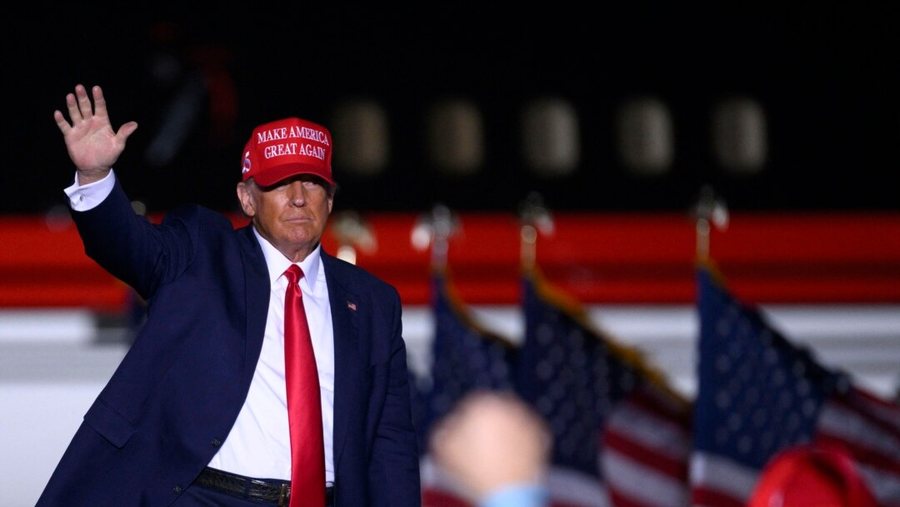
Everyone should be concerned about Trump's return to power. He is an unpredictable man, and would be the most powerful person in the world as president and leader of the largest army.
Renowned Dutch political scientist Cas Mudde, 56, has spent decades studying the rise of the far right. And he is not optimistic about the future. Because the movements that are threatening liberal democracies are on the rise, and their populist rhetoric is unwittingly seeping into the general debate. Mudde has lived in the United States since 2008, where he is a professor at the University of Georgia.
You say that within the last 3 decades, Western societies have gone from excluding radical discourse to normalizing it. How did this happen?
Until the late 1990s, there was still a huge taboo around xenophobia and nationalism. Then the 9/11 terrorist attacks in the US happened, and the response was Islamophobia and prejudice. Once we got into that discourse, only one party had a negative discourse on immigration, and that was the extreme right.
Other parties adopted this approach and began to talk about immigration as a problem, a threat to national identity and national security. And when you adopt a different approach, you get out of your positions. Once this happens, the difference between you and the far right becomes smaller, so there is less reason to exclude the latter.
How do you define their ideology?
The essence is not socio-economic but socio-cultural and is based on nativism, a xenophobic form of nationalism. In such an approach, you want your country to be inhabited exclusively or mainly by ethnic citizens, while you consider every other nationality a threat.
This is combined with authoritarianism and their view of law and order, but in many cases also with populism. In this way we have what we call welfare chauvinism. They support the welfare state, but only for their own people.
You say that tolerance and inclusiveness are progressing in most countries, especially among young people. So how can the reactionary wave be explained?
Who votes in elections? Mostly the elderly. They are not necessarily xenophobic anymore, but for them immigration has become a problem and it is an identity issue.
And what is the role of conservative parties in this context?
In recent years we have seen a radicalization of the mainstream, and especially of the traditional mainstream right. For example, the Popular Party (PP) in Spain is much more right-wing today, especially on social and cultural issues, than it was 30 years ago. In France, the Republican Party shares the same views as the far-right National Rally.
Ka disa përjashtime, si CDU-ja në Gjermani. Qendra po lëviz djathtas për përfitime elektorale. Në fund, ata do të jenë të padallueshëm nga e djathta ekstreme. Dhe siç tha në vitet 1980 politikani francez i ekstremit të djathtë, Jean-Marie Le Pen, në vend të kopjes njerëzit do të zgjedhin origjinalin.
A është e rrezikshme partia spanjolle Vox?
Shumë. Vox është një parti radikale e krahut të djathtë, ashtu si Tubimi Kombëtar në Francë apo AfD në Gjermani. Fakti që ata dolën nga rryma tradicionale (anëtarët kryesorë i përkisnin PP-së), që janë politikanë profesionistë dhe më të butë se disa nga partitë e tjera radikale të së djathtës nuk do të thotë asgjë. Ideologjikisht ajo mbështetet tek nativizmi, autoritarizmi dhe populizmi.
Ekziston rreziku, sepse Vox është në thelb parti anti-liberale, ka probleme me të drejtat e pakicave, ndarjen e pushteteve dhe shtetin e së drejtës, si të gjitha partitë radikale të së djathtës. Dhe janë veçanërisht të rrezikshëm sepse janë kompetentë. Vox dëshiron të punojë brenda sistemit dhe ndoshta do të ketë një aleat si PP.
Në çfarë mënyre?
Vox është si udhëheqësja e ekstremit të djathtë Giorgia Meloni në Itali dhe në një farë mase si Viktor Orbán në Hungari. Këta janë njerëz që duan ta ndryshojnë sistemin nga brenda. Dhe e dinë si ta bëjnë këtë.
Çfarë përgjegjësie ka media në këtë situatë?
Media shihet shpesh si pjesë e arenës demokratike, por kjo nuk është e vërtetë. Një media është një biznes dhe duhet të shesë. Shumë gazetarë janë shumë të shqetësuar për ngritjen e të djathtës ekstreme. Por ata punojnë në një institucion për të cilin e djathta ekstreme është një bonus. E djathta ekstreme shet, skandalet shesin.
Kjo gjë u pa edhe me Trump, apo jo?
Por ai është një shembull tipik. Shikueshmëria e CNN, dhe abonimet në The New York Times dhe The Washington Post arritën kulmin. Liberalëve u pëlqen të kenë frikë nga e djathta ekstreme.
Ata do të konsumojnë çdo histori, edhe nëse ajo është e sajuar për një populist ndërkombëtar. Këto janë historitë më të lexuara. Unë e quaj këtë dukuri “pornografia e ekstremit të djathtë”.
Evropa është e shqetësuar nga mundësia e një presidence tjetër të Donald Trump…
Çdokush duhet të shqetësohet nga rikthimi i Trump në pushtet. Ai është një njeri i paparashikueshëm, dhe do të ishte personi më i plotfuqishëm në botë si president dhe udhëheqës i ushtrisë më të madhe. Rivali i tij Ron DeSantis, është identik në aspektin ideologjik. Ai është po aq nativist, po aq autoritar dhe antidemokratik sa Trump, dhe që të dy janë në thelb udhëheqës anti-demokratë.
Edhe në Evropë kemi udhëheqës jodemokratikë. Si po sillet ndaj tyre Bashkimi Evropian?
For a long time, the lesson on this came from Hungary: if you are an authoritarian leader domestically, but loyal to Brussels, the EU will allow this. Now we have a new lesson from Poland: if you are an authoritarian leader at home, but you are in line with NATO policy, then you are fine. At the moment, Orbán is indeed marginalized, but not because of liberal democracy but because of his pro-Putin position. The main lesson is that if you are too anti-Putin, those in Brussels will leave you alone. /Taken and Adapted from "El Pais"






Lini një Përgjigje