


 Shkruar nga Pamfleti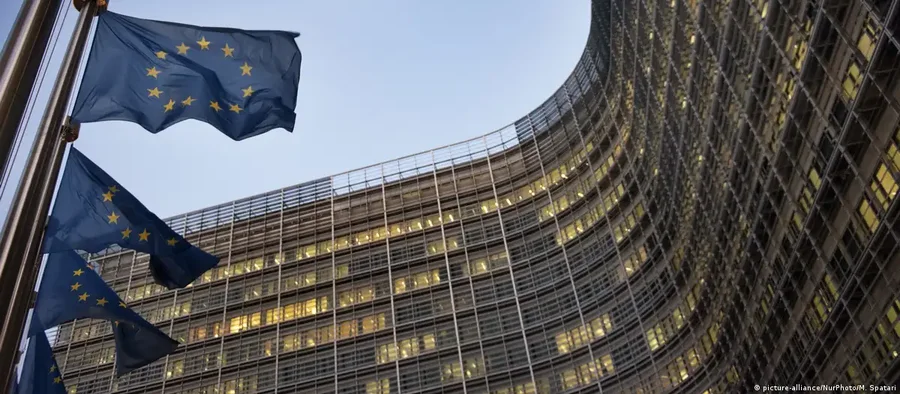
Germany and France this week presented proposals to reform the EU, to prepare it for new members. Supervised experts from both countries put some ideas on the table that spark debate.
The experts' report does not represent official positions adopted on EU reform. But the fact that the experts worked under the supervision of the German and French Foreign Ministries makes it an important report. 12 international experts from research institutions worked on the 60-page document since the beginning of the year.
We are dealing with a joint initiative of the main powers of the EU, Germany and France to guide the debate on reforming the European Union. The idea that the Western Balkans and possibly Ukraine could join the EU brought together the two countries, which have had different views in many areas recently.
The Secretary of State at the German Foreign Ministry, Anna Lührmann, said on the occasion of the publication of the report that "it is clear that the enlargement of the EU is in the interest of all of us". "And that is why we must start doing everything we can now to ensure that we as the EU are ready for this enlargement."
Germany and France structure with the report the discussion on EU institutional reforms, before or during the accession of new members. Experts write that by 2030, the EU should be ready for enlargement.
The urgency in the steps for EU enlargement has been emphasized after the backward steps in democracy in many countries of the Western Balkans, candidates for EU membership. This fact makes these countries more inclined to accept offers from countries like China and Russia. The war in Ukraine also put on the table the issue of starting EU negotiations with Ukraine.
Key recommendations of the report
The experts' report proposes, among other things, the transition from unanimous decision-making to qualified majority decision-making in the EU. Germany has been asking for this for months in Brussels, and France does not oppose it. Unanimous decision-making in the EU is currently used to pressure and block the EU, so it is intended to be avoided.
It is further proposed that payments to EU members be more strongly linked to the application of the principles of the rule of law. Currently, the EU has major problems in this regard with Poland and Hungary.
It is further requested that the European Commission be reduced, i.e. reduce the number of commissioners sent to Brussels. This proposal is contained in the Lisbon Agreement of the EU, but so far it has not been implemented.
The report also puts on the table for discussion the French proposal for different degrees of integration of the member states, known as concentric circles.
Why are qualified majority votes required?
The expert report proposes to generalize the decision-making by qualified majority. And to limit the taking of unanimous decisions. Unanimous decisions are only necessary e.g. for EU foreign and security policy, or for changing EU institutions. But not for EU tax policy. This requirement is covered by the Lisbon Agreement.
However, in order to support the small EU member states more, the experts propose, among other things, two innovations: the first, that the qualified majority is calculated differently than until now. Now this majority is calculated that for a decision, at least 55% of EU states must vote, which simultaneously represent 65% of the EU population. In the future, it is required that both figures become 60%, that is, that more countries vote yes, but that the number of the population they represent be smaller. Second, in those cases, when states argue that majority decisions affect vital national interests, the EU Council should find the solution.
Kjo nënkupton që në Komisionin Evropian, që luan rolin e qeverisë së Evropës, të përfaqësohen me një komisar vetëm dy të tretat e shteteve anëtare. Pra që jo çdo shtet të ketë komisarin e vet. Një Komision Evropian me deri 37 anëtarë mendohet se nuk funksionon dot në mënyrë efektive.
Një ide tjetër që prezantohet është që të krijohen dy kategori komisarësh të BE. Por vetëm gjysma e tyre të ketë të drejtë vote. Për këtë duhet të ndryshohet Marrëveshja themeluese e BE.
Por dihet se ndryshimi i kësaj Marrëveshjeje është shumë i vështirë. Ndaj propozohet që risia me komisarët të futet me një marrëveshje anëtarësimi për shtetet e reja. Marrëveshja e anëtarësimit të përmbajë të gjitha reformat që janë pasojë e zgjerimit. Të gjitha shtetet anëtare do të shmangnin referendumet në këtë rast, sepse do të votonin vetëm për marrëveshjen e anëtarësimit, jo për ndryshimin e Marrëveshjes bazë të BE.
Ndërsa në Parlamentin Evropian numri i deputetëve, sipas raportit, duhet të zvogëlohet në 751 vetë.
Rrathët koncentrikë dhe rëndësia
Me këtë formulim francez kuptohen katër nivele integrimi të shteteve në BE: integrimi më i thellë, pra bërthama, ku janë p.sh. shtetet anëtare të Eurozonës dhe shtetet e Shengenit; integrimi tjetër, të cilin e kanë aktualisht pjesa tjetër anëtarët e BE; një nivel më poshtë do të jenë anëtarët e asociuar të BE, të cilët anëtarësohen në tregun e përbashkët të BE dhe që zbatojnë parime bazë të përbashkëta; në nivelin e katërt shihet Komuniteti Politik Evropian.
Nga këto rrathë apo nivele integrimi, elementi i ri dhe i vetmi që po diskutohet me një interes aktualisht është anëtarësimi i asociiuar. Disa shtete prej kohësh kandidate të BE thonë më mirë këtë status se asgjë, shtete të tjera megjithatë druhen se mund të mbeten “përjetësisht” të asociiuara.
Komuniteti Politik Evropian ishte ideja e Presidentit francez Emmanuel Macron, për të përfaqësuar interesat e Evropës jashtë BE. Kjo ide tani është reduktuar në takime dy herë në vit të kryetarëve me përfaqësues të shteteve jo anëtare të BE.
Kushtëzimi i fondeve prej shtetit ligjor
Njihen problemet që ka aktualisht BE me Poloninë dhe Hungarinë, të cilat nuk respektojnë parimet e shtetit ligjor. Ekspertët gjermanë dhe francezë kërkojnë thjeshtimin e procedurës së nenit 7 – pra që të lehtësohet heqja e së drejtës së votës në Këshillin Evropian, për një shtet që bën shkelje. Kërkohet më tej edhe që pagesat e fondet e BE ndaj këtyre vendeve, të varen më fort nga kushte.
Jehona për raportin dhe skepticizmi ndaj Francës
Raporti iu dërgua të martën Këshillit të Përgjithshëm të BE. Që prej disa muajsh, kur janë mësuar disa qëndrime gjermane dhe franceze për reformën e BE, ka vijuar një debat i gjallë. Pikërisht ky ishte edhe synimi: të ndizet debat. Raporti i ekspertëve ndërkombëtarë i hartuar me porosi të Gjermanisë dhe të Francës është strukturues i debatit për reformën, por edhe testues i opinionit në BE.
Te shtete më të vjetra të BE ai po shqyrtohet me interes, shtete më të reja janë disi skeptike ndaj propozimeve. Kështu Shtetet Baltike, Polonia dhe Kroacia paraqitën një raport alternativ politologësh për zgjerimin e BE. Ai u prezantua në një darkë të përfaqësisë së Letonisë në Bruksel, u bë e ditur në shtypin francez. Këto shtete druhen se propozimet gjermano-franceze do ta vonojnë edhe më tej zgjerimin e BE.
Lufta në Ukrainë si dhe rreziku se do të mbetej e izoluar në qoshen e një Bashkimi Evropian të zgjeruar me anëtarë lindorë e bëri Francën të ndryshojë qëndrimin: Franca braktisi qëndrimin e saj tradicional, të frenimit të zgjerimit të BE. Parisi bëri të vetin qëndrimin tradicional të Berlinit, pro zgjerimit.
Por propozimet franceze për zgjerimin e BE vazhdojnë të shihen me skepticizëm në disa pjesë të Evropës. Parisi nuk e ka besimin që do të dëshironte. Midis deklaratave proevropiane të qeverisë franceze dhe veprimeve konkrete shumë analistë konstatojnë hendek. Përballë mbylljes së kufirit francez për refugjatët nga Lampeduza, për shembull, gazeta italiane “Corriere della Sera” shkruante së fundi, jo pa ironi se “më evropiania nga të gjitha qeveritë evropiane ka dëshirë t’u japë të gjithëve mësime për sjelljen dinjitoze”. “Por sapo preket një interes kombëtar, ajo sillet po aq nacionaliste sa qeveria e Hungarisë, ndoshta edhe më keq se Orbáni.”
At the beginning of October, the heads of state and government of the European Union will discuss in an informal meeting in Granada, for the first time, the changes in the EU. In December, a decision is expected on whether or not to start membership negotiations with Ukraine and Moldova./ DW





Lini një Përgjigje