


 Shkruar nga Pamfleti
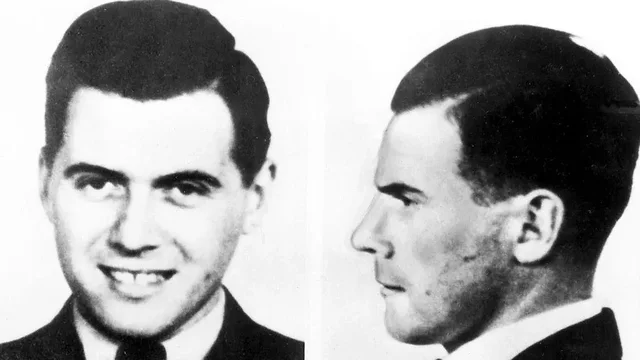
The Swiss Federal Intelligence Service has announced that it will open decades-old sealed files relating to notorious Nazi war criminal Josef Mengele, known as the "Angel of Death" of Auschwitz, the BBC reports.
However, Swiss authorities have not yet announced when the contents of the documents, which have been the subject of debate and requests from historians for years, will be published.
Mengele was a doctor in Nazi Germany's Waffen SS troops and became one of the most notorious figures of the Holocaust for his cruel experiments on prisoners at the Auschwitz concentration camp in Nazi-occupied Poland. He selected thousands of people to be sent to the gas chambers, while conducting inhumane experiments on children and twins.
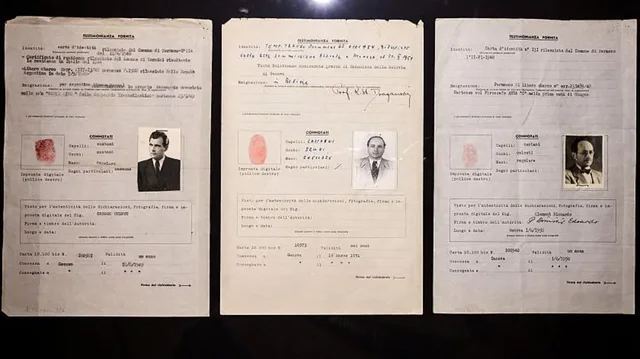
After the end of World War II, Mengele managed to escape justice by using false identities and travel documents obtained through the Swiss consulate in Genoa. He then fled to South America, where he lived for decades under various identities.
Historians have long suspected that Mengele may have crossed over or remained in hiding in Switzerland after the war, despite an international arrest warrant issued against him in 1959.
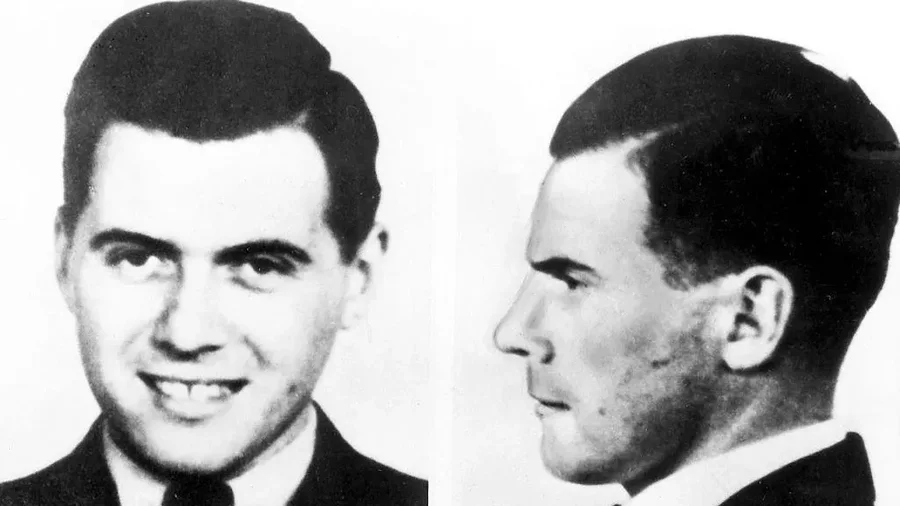
Swiss historian Regula Bochsler discovered during her research that in 1961 Austrian intelligence services had warned Swiss authorities that Mengele might be on Swiss territory using a false name.
According to Zurich police documents, Mengele's wife had rented an apartment in the city and applied for a permanent residence permit. The apartment was located near Zurich International Airport and was placed under surveillance by Swiss police.
Investigators had noticed that Mengele's wife often moved around with an unidentified man, raising suspicions that he could be Josef Mengele himself.
However, attempts to gain access to the Swiss federal files have been repeatedly denied. The documents were sealed until 2071 for reasons of “national security” and to protect Mengele’s extended family.
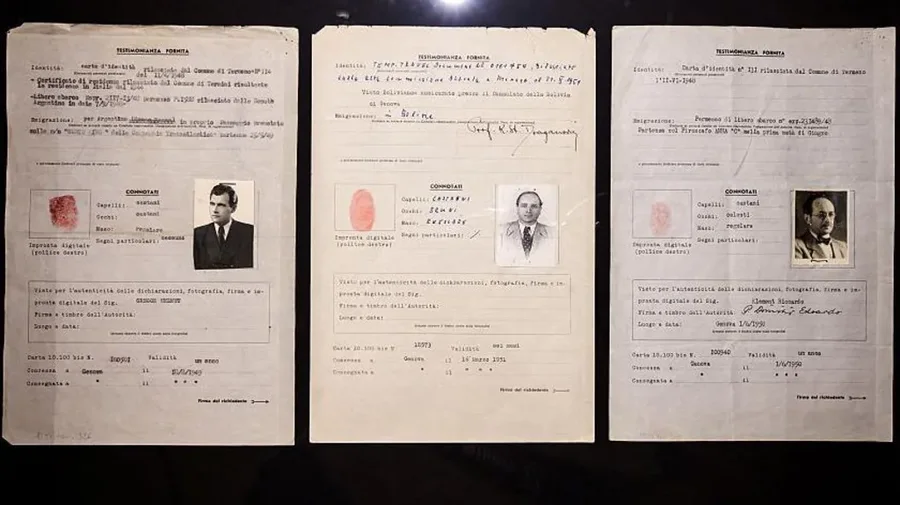
In 2025, historian Gérard Wettstein took the case to court after being denied access to the files. He even organized a public fundraising campaign to cover legal costs, raising thousands of Swiss francs in a matter of days.
Following this public and legal pressure, the Swiss Federal Intelligence Service changed its position and announced that the appellants would be granted access to the documents, although the conditions and deadlines for publication have not yet been determined.
Some historians believe the files may not contain direct evidence that Mengele lived in Switzerland, but could shed light on the role of Swiss secret services and contacts with foreign intelligence agencies during the post-war period.
The Holocaust remains one of the greatest crimes in modern history, while the figure of Josef Mengele continues to symbolize the brutality of the Nazi regime and the inhumane experiments carried out during the war.





Lini një Përgjigje