


 Shkruar nga Pamfleti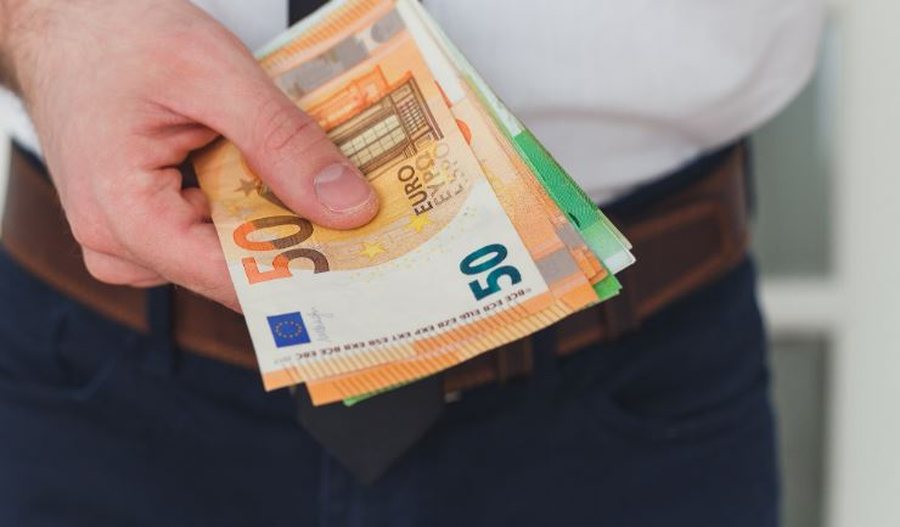
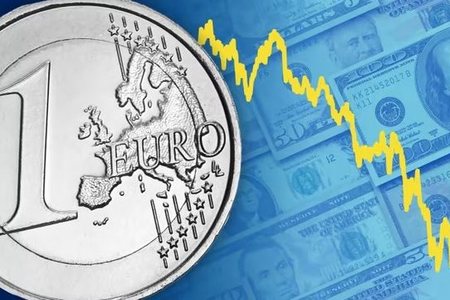
The euro has recorded a slight drop in the exchange rate in the first days of this week, enough to register a new historical minimum in the exchange rate with the lek.
According to the official exchange rate of the Bank of Albania, the European currency was exchanged on Tuesday at 100.23 ALL, from 100.24 ALL, which was the previous record, recorded on June 25.
The fluctuations of the exchange rate this summer are minimal and have mainly statistical value, given that since May and onwards, the exchange rate has been kept practically fixed by the Bank of Albania, just above the level of 100 lek.
However, the summer season has significantly narrowed the annual euro appreciation gap. The annual decline in the exchange rate has dropped to 2.6%, from 9.1% at the end of 2023.
In the conditions of increased foreign exchange flows during the summer season, the Bank of Albania periodically intervenes in the foreign exchange market by making direct purchases of foreign currency, in order to prevent the European currency from falling below the limit of 100 lek. This intervention has been argued with the legal objective of inflation. In the first part of this year, inflation fell below the 3% target of the Bank of Albania. According to INSTAT, in June the annual inflation was 2.1%, at the lowest levels of the last three years. The strengthening of the lek in the exchange rate with the euro has also had an important effect on reducing inflation, reducing the inflation imported from abroad.
According to the Bank of Albania, the value of the currency purchased in the market will be made public only in the report on interventions in the money market, which is usually published with a delay of three months.
The Bank of Albania has not defined deadlines or clear parameters for its intervention in the exchange rate. It is believed that the objective of the intervention of the Bank of Albania is not to allow the euro to fall below the limit of 100 lek, defined as a kind of psychological limit. It is expected that the appreciation pressures on the national currency will decrease after the summer season, however this is difficult to say for sure, given that in recent years even the end of the holiday season has not brought any significant depreciation of the lek.
The strong lek has helped to reduce the inflation of imported goods, but on the other hand, it has had negative effects on the exporting sectors of the Albanian economy. The consequences have been particularly serious in the fashion sector, but in the meantime, businesses related to tourism partly explain the increase in prices with the devaluation of the European currency./Monitor


Lini një Përgjigje