


 Shkruar nga Pamfleti
The EU's new mechanism for charging high-carbon imports is increasing the competitiveness of Albanian aluminum producers, thanks to clean energy and recycling...
The abbreviation CBAM, commonly known as the EU climate tax, is causing major concern for most steel and aluminum producers outside the European Union. Since January, an additional fee has been applied to every ton of steel and aluminum imported into the EU through the Carbon Border Adjustment Mechanism, but not to Albanian companies that produce aluminum profiles, which are widely used in the automotive and window industries.
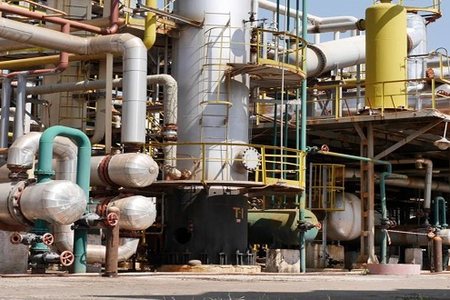
This is because the production relies entirely on recycled materials and uses only electricity from renewable sources. Half of the energy is provided by photovoltaic panels, while the other half comes from the Albanian energy grid, which relies mainly on hydroelectric power plants.
Perhaps the only positive legacy of the reign of terror
This is a late consequence of the regime of Enver Hoxha, which collapsed in the late 1980s – and perhaps its only positive legacy. Hoxha’s regime of terror, whose memory still lingers in the concrete bunkers scattered across the country, had chosen economic self-sufficiency and indigenous hydropower for isolated Balkan Albania. With Chinese help, Hoxha built huge dams. According to the International Energy Agency, even today 97 percent of electricity is produced by 130 small and large hydroelectric plants, the rest by photovoltaic panels.
The largest aluminum processor and third-largest exporter in EU candidate country Albania does not have to pay Brussels’ carbon tax at the border. And it’s a lot of money. In April, the EU initially set the CO₂ tax at 75.36 euros per ton. If this amount is multiplied by the company’s capacity of 26,000 tons for the automotive industry, the benefit amounts to millions of euros.
EU climate tax raises import prices
In early July, the EU will announce the price for the second quarter. From 2027, the price, linked to the cost of emission certificates, will be set every week. The market expects long-term increases in the costs of high-carbon goods imported into the EU.
Albert Valteri, i cili zotëron një prej kompanive më të mëdha të prodhimit të aluminit, vlerëson se konkurrentët jashtë BE-së do të përballen vitin e ardhshëm me kosto shtesë nga 160 deri në 260 euro për ton për shkak të mekanizmit të karbonit. Për të ilustruar avantazhin e tij, ai sjell një krahasim: për një kamion mallrash, kjo shumë është dyfishi i kostos së transportit drejt Gjermanisë. Produktet gjysmë të gatshme nga Tirana përdoren në automjete Volkswagen dhe Mercedes, si edhe në ndërtesa. Katër të pestat e prodhimit eksportohen, kryesisht në BE, thotë Valteri. Dhe në të ardhmen kjo pjesë mund të rritet edhe më shumë, pasi avantazhi i energjisë hidrike shqiptare po bëhet gjithnjë e më i njohur, shkruan media gjermane FAZ në një artikull.
Energjia hidrike vendase rrit konkurrueshmërinë e industrisë
“Kemi më shumë kërkesa nga klientët se më parë”, thotë menaxheri, babai dhe xhaxhai i të cilit themeluan kompaninë familjare në vitin 1997. Sot kompania ka 600 punonjës. Shumë konkurrentë duhet tashmë të paguajnë taksën e BE-së. “Ne jemi shumë konkurrues, kjo është shumë mirë për ne”, thotë ai, duke shtuar diplomatikisht: “është shumë mirë edhe për klientët europianë.”
Energjia hidrike nuk ndihmon vetëm eksportet industriale drejt BE-së, por e mbron Shqipërinë pjesërisht edhe nga efektet inflacioniste të krizës së çmimeve të naftës pas konfliktit me Iranin. Rritja e çmimeve të naftës dhe gazit ndikon vetëm te karburantet dhe transporti, jo te prodhimi i energjisë elektrike. Për këtë arsye, Fondi Monetar Ndërkombëtar pret që ekonomia shqiptare të rritet me 3,4 për qind edhe këtë vit, pas një rritjeje prej 3,5 për qind vitin e kaluar. Qeveria kishte parashikuar 3,8 për qind.
Turizmi mbetet motori i ekonomisë shqiptare
Motori kryesor i rritjes ekonomike në Shqipëri mbetet turizmi. Vitin e kaluar, vendi me 2,6 milionë banorë priti 12 milionë vizitorë, dy here më shumë se viti 2021. Volker Adams nga Shoqata Gjermane e Turizmit e quan këtë “mbresëlënëse për një vend të kësaj madhësie”. Që nga viti 2021, të ardhurat nga turizmi janë trefishuar në 5,7 miliardë euro, ndërsa pesha e sektorit në PBB është rritur nga 12 në 21 për qind. Por edhe në Tiranë është kuptuar se turizmi i lirë nuk është e ardhmja. Jared Kushner, dhëndri i Donald Trump, nuk është i vetmi që synon të investojë në hotele luksoze përgjatë brigjeve shqiptare. Ekonomisti kryesor i Dhomës Gjermane të Industrisë dhe Tregtisë, Volker Treier, sheh një lloj “ethet e arit” në ekonominë shqiptare. Turistët nuk kanë nevojë vetëm për diell dhe plazh, por edhe për hotele, restorante, rrugë dhe aeroporte.
Pagesat digjitale do të bëhen të detyrueshme
The Albanian government is meanwhile trying to expand the economic structure beyond tourism and the construction sector, where part of the activity still takes place in the informal economy. The digital economy is at the top of its plans. Albania is one of the few countries in the world that offers all administrative services digitally. From July, every hotel and restaurant will have to offer at least one electronic payment alternative in addition to cash.
Prime Minister Edi Rama also drew attention by symbolically appointing an Artificial Intelligence as a “minister,” in the hope of reducing corruption in public tenders. Business representatives say the fight against corruption is still hampered by a lack of capacity in the justice system.
Technology manager Christian Dölker says that Albania's image in Germany as a tourist destination hinders its perception as an IT hub, unlike Romania or Bulgaria. However, this also has an advantage: giant companies like Microsoft do not invest massively and do not attract local employees.
Supported by remittances from migrants, Albania is considered the fastest-growing economy in the Balkans. Public debt remains low, state finances are considered stable and the central bank’s foreign exchange reserves are enough to cover seven months of imports. This makes even the most skeptical managers enthusiastic. “This is the Dubai of tomorrow,” says Tobias Stricker of the German building materials company “Knauf”. Deputy Minister of Economy, Enkelejd Musabelliu, responds more reservedly, recalling the country’s old slogan: “We follow our own path.” This path could lead to the European Union as soon as possible. / Pamphlet /


Lini një Përgjigje