


 Shkruar nga Pamfleti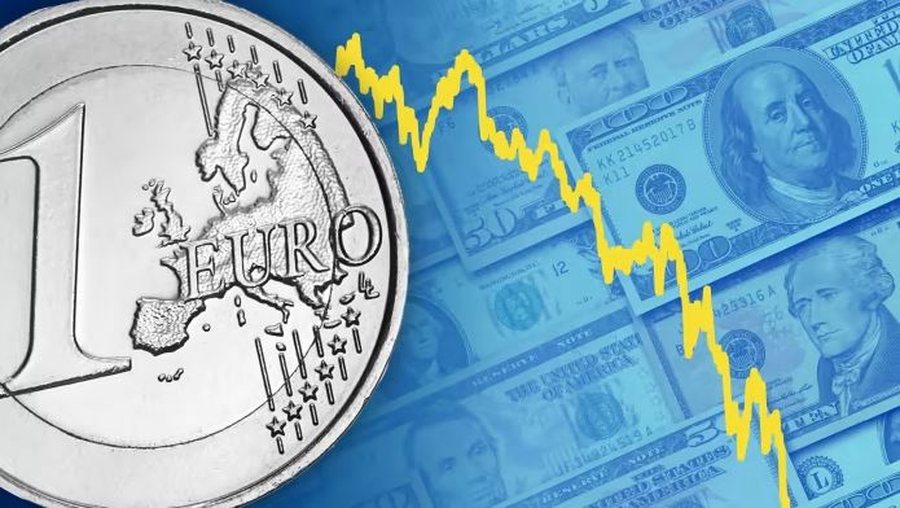
The strengthening of the Lek in the exchange rate continues unstoppable this week as well.
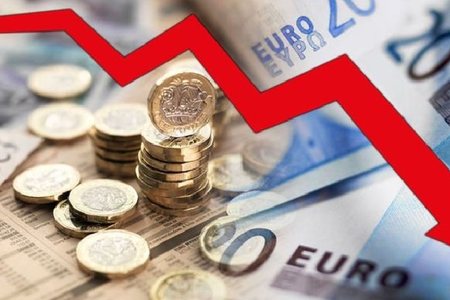
The euro has already dropped very close to the threshold of 100 lek and its fall is dragging most of the other currencies behind it. According to the official exchange rate of the Bank of Albania, the European currency was exchanged on Thursday at 100.49 ALL, touching the next historical minimum.
The Euro-Lek exchange rate has fallen by 14.1% compared to the same period a year ago and by 12% since the beginning of the year.
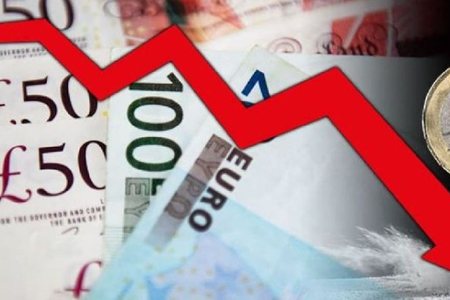
Even the British Pound touched a new historical minimum, in the value of 115.72 ALL. The exchange rate of the Pound against the Lek has fallen by 15.8% compared to a year ago and by 10.2% since the beginning of the year.
The American dollar has dropped to 89.61 Lek, marking a new record since the end of 2008. The exchange rate of the Dollar against the Lek has fallen by 21.6% compared to a year ago and by 16.2% since the beginning of the year.
Even the Swiss franc marked a new multi-year minimum, touching the lowest value since 2009. The franc was exchanged at 104.46 lek, down by 11.5% compared to a year ago and by 10% since the beginning of this year.
In this period, the exchange rate is under the effect of the increase in the foreign exchange supply, due to the tourist season. The statistics so far have shown that the number of foreign tourists this year has reached the highest historical levels, as well as the income from tourism in the Balance of Payments. In the period between July and August, tourism reaches its peak, making the impact of this factor on the exchange rate stronger than in any other period of the year.
In addition to the strong effect of tourism, the Balance of Payments in the first quarter of the year was significantly improved by the increase in remittances, exports of other services and by the high levels of foreign direct investments.
Appreciation pressures from the increase in the foreign exchange supply this year are probably being strengthened more by the tightening of the Lek supply, due to the tightening features of the monetary and fiscal policy, characterized by higher interest rates, a slowdown in lending and a high budget surplus. These factors have simultaneously brought about an unprecedented appreciation of the Lek in the foreign exchange rate.
Based on historical trends, it is expected that the Lek will continue to strengthen at least until the first week of August, in the absence of unforeseen factors or an intervention by the Bank of Albania.
The strong lek has helped partially mitigate the increase in import prices in the Albanian economy and has been one of the factors that has determined higher levels of inflation compared to other European countries.
However, the magnitude of the strengthening of the Lek in recent months could become a problem for the economy, especially for exporters and domestic production. In the first half of this year, exports suffered a significant decline, mainly caused by the strengthening of the Lek in the foreign exchange rate./Monitor





Lini një Përgjigje