


 Shkruar nga Pamfleti
From 3.25 percent that was before, now the interest rate will be 3 percent
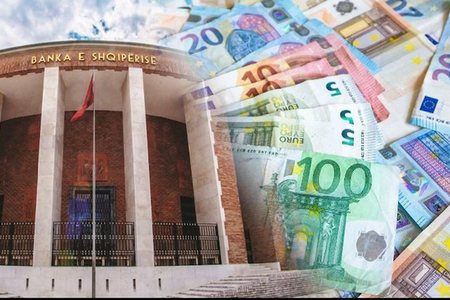
The Governor of the Bank of Albania, Gent Sejko, has announced for the first time since February 2023, the reduction of the interest rate.
Sejko, in a media conference, stated that the Supervisory Council of the Bank of Albania decided to lower the basic interest rate by 0.25%, from the level of 3.25% to the level of 3.0%.
He also stated that the financial markets have been calm and the monetary policy followed by BSH has had a positive impact on maintaining the country's monetary and financial balances.
" The available data suggest that the Albanian economy continues to maintain a positive development trend. Economic activity, employment and wages have continued to grow during the first two quarters of the year, inflation has decreased, financial markets have been relatively calm, while lending has seen progressive growth. These developments have been, in general, in line with our expectations. However, the fall in inflation in the second quarter was relatively rapid, dictated by the increase in the supply of food items in the regional and domestic markets. The effects of this hit on inflation are expected to be present during the rest of the year.
The update of our forecasts suggests that the positive development momentum of the Albanian economy will continue in the future. The volume of economic activity is expected to increase during 2024 and beyond, while inflation is expected to fluctuate around current levels during the remainder of 2024 and gradually increase towards the target during the first half of 2025. Based on the above, the Council The supervisor deemed it necessary to ease the stance of the monetary policy, aiming to create the most suitable monetary conditions for respecting our objective of price stability" , said the governor.
Sejko also stated that the data show an acceleration of salary growth in the private sector, at 12.7% in the first quarter, and the continuous growth in the public sector, as he emphasized that the growth rate of bank loans continues to accelerate during the months of April-May , marking an average growth rate of 14%.
Among other things, the governor of the Bank of Albania stated that the appreciative pressures of the lek have reappeared in the foreign exchange market, driven by the increase in the foreign exchange supply that comes as a result of the further expansion of tourism flows.
" The data show an acceleration of salary growth in the private sector, at 12.7% in the first quarter, and continued growth in the public sector. The increase in wages and the progressive decline in inflation have supported the disposable income of families and increased their purchasing power. On the other hand, the up to now increase in wages and production costs has only been partially passed on to consumer prices, reflecting their absorption in part by the increase in productivity and in part by the increase in business profit margins.
The monetary policy followed by BSH has had a positive impact on maintaining the country's monetary and financial balance. The gradual and careful normalization of the monetary policy during the period 2022-2023 in order to be able to reduce the inflationary pressures without damaging the medium-term prospects of economic growth. In response to this policy, financial markets have been calm, characterized by abundant liquidity and low risk actions. On the other hand, although weaker than a year ago, the appreciative pressures of the lek have reappeared in the foreign exchange market, driven by the increase in the foreign exchange supply that comes as a result of the further expansion of tourism flows , "said Sejko.
The full speech of the Governor of the Bank of Albania, Gent Sejko;
Today, on July 3, 2024, the Supervisory Council of the Bank of Albania reviewed and approved the Interim Report of the Monetary Policy for the second quarter.
The available data suggest that the Albanian economy continues to maintain a positive development trend. Economic activity, employment and wages have continued to grow during the first two quarters of the year, inflation has decreased, financial markets have been relatively calm, while lending has seen progressive growth. These developments have been, in general, in line with our expectations. However, the fall in inflation in the second quarter was relatively rapid, dictated by the increase in the supply of food items in the regional and domestic markets. The effects of this hit on inflation are expected to be present during the rest of the year.
The update of our forecasts suggests that the positive development momentum of the Albanian economy will continue in the future. The volume of economic activity is expected to increase during 2024 and beyond, while inflation is expected to fluctuate around current levels during the remainder of 2024 and gradually increase towards the target during the first half of 2025.
Based on the above, the Supervisory Council deemed it necessary to ease the stance of monetary policy, aiming to create the most suitable monetary conditions for respecting our objective of price stability.
Inflacioni i çmimeve të konsumit shënoi një rënie të mëtejshme gjatë muajve prill dhe maj, duke regjistruar një nivel mesatar prej 2.1%. Kjo rënie ishte disi më e shpejtë se pritjet tona. Nga këndvështrimi i shportës, rënia e inflacionit u diktua nga reduktimi i shpejtë i inflacionit të artikujve ushqimorë, ndërkohë që artikujt e tjerë të shportës shfaqën norma relativisht të qëndrueshme inflacioni.
Nga këndvështrimi makroekonomik, trendi rënës i inflacionit vijon të pasqyrojë – në masën më të madhe – reduktimin e inflacionit të importuar, në përgjigje si të një ecurie të ngjashme të këtij treguesi në partnerët tanë tregtarë, ashtu edhe të trendit forcues të kursit të këmbimit. Në veçanti, reduktimi i inflacionit të ushqimeve gjatë muajve prill – maj ishte në linjë me rënien e inflacionit të tyre në vendet e rajonit, duke sugjeruar se ky reduktim pasqyron një goditje pozitive oferte.
Nga ana tjetër, inflacioni i brendshëm shfaqet relativisht i qëndrueshëm, duke pasqyruar si kërkesën solide për mallra e shërbime, ashtu edhe rritjen e shpejtë të pagave dhe të kostove të prodhimit.
Informacioni i ri sugjeron se ekonomia shqiptare ka vijuar të rritet në gjysmën e parë të vitit 2024, me norma të përafërta me ato të vitit të shkuar. Treguesit e disponuar nga sektori real dhe ai financiar sugjerojnë se rritja ekonomike ka vijuar të udhëhiqet nga zgjerimi i konsumit dhe i investimeve private, si dhe nga zgjerimi i sektorit të turizmit. Nga ana tjetër, eksporti i mallrave ka shënuar rënie, ndërsa sektori publik vijon të ndjekë një politikë fiskale konsoliduese, të materializuar në nivele relativisht të larta të suficitit buxhetor.
Në tërësi, burimet e rritjes shfaqen të shëndetshme, duke dhënë garanci për qëndrueshmërinë e rritjes ekonomike në të ardhmen. Kështu, përmirësimi i gjendjes financiare të sektorit privat, mjedisi financiar i qëndrueshëm dhe akomodues, rritja progresive e kredisë, si dhe pritjet pozitive për të ardhmen po ushqejnë rritjen e kërkesës së brendshme. Paralelisht me to, interesi për të vizituar dhe për të investuar në Shqipëri – sikurse lexohet nga numri i lartë i vizitorëve dhe rritja e investimeve të huaja direkte gjatë muajve të parë të vitit – po ushqen rritjen e eksporteve të shërbimeve dhe të sektorëve të lidhur me të.
Në vlerësimin tonë, ekonomia shqiptare qëndron ende në një fazë pozitive të ciklit të biznesit. Ky vlerësim mbështetet, ndër të tjera, nga raportimet e bizneseve për rritjen e shfrytëzimit të kapaciteteve të tyre prodhuese dhe nga zhvillimet pozitive në tregun e punës. Të dhënat e reja nga ky treg dëshmojnë përshpejtimin e rritjes së pagave të sektorit privat – në 12.7% në tremujorin e parë – dhe rritjen e vazhduar të tyre në sektorin publik. Rritja e pagave dhe rënia progresive e inflacionit ka mbështetur të ardhurat e disponuara të familjeve dhe ka rritur fuqinë blerëse të tyre. Nga ana tjetër, rritja e deritanishme e pagave dhe e kostove të prodhimit është përcjellë vetëm pjesërisht tek çmimet e konsumit, duke pasqyruar absorbimin e tyre pjesërisht nga rritja e produktivitetit dhe pjesërisht nga reduktimi i marzheve të fitimit të bizneseve.
Politika monetare e ndjekur nga Banka e Shqipërisë ka pasur një ndikim pozitiv në ruajtjen e ekuilibrave monetarë e financiarë të vendit. Normalizimi gradual dhe i kujdesshëm i qëndrimit të politikës monetare gjatë periudhës 2022 – 2023 bëri të mundur reduktimin e presioneve inflacioniste, pa dëmtuar perspektivat afatmesme të rritjes ekonomike.
Në përgjigje të kësaj politike, tregjet financiare kanë qenë të qeta, të karakterizuara nga likuiditet i bollshëm dhe prime të ulëta rreziku. Nga ana tjetër, ndonëse më të zbehta se një vit më parë, presionet mbiçmuese të lekut janë rishfaqur në tregun valutor, të nxitura nga rritja e ofertës valutore që vjen si pasojë e zgjerimit të mëtejshëm të flukseve hyrëse të turizmit.
Ritmi i rritjes së kredisë bankare vijoi të përshpejtohet gjatë muajve prill – maj, duke regjistruar një nivel mesatar prej rreth 14%. Zgjerimi i kredisë pasqyron në masën më të madhe rritjen e shpejtë të kredisë në lekë, portofoli i së cilës shënoi një rritje vjetore prej 22% në muajin maj. Kjo ecuri ka pasqyruar si normat relativisht të ulëta të interesit të kredisë në lekë, të cilat kanë rritur kërkesën për këtë segment, ashtu edhe një kujdes më të madh të biznesit dhe familjeve shqiptare në drejtim të reduktimit të ekspozimit të panevojshëm ndaj rrezikut të kursit të këmbimit. Ky trend ka sjellë rritjen e mëtejshme të peshës së portofolit të kredisë në lekë, duke rritur efektivitetin e politikës monetare dhe duke forcuar stabilitetin financiar të vendit. Paralelisht me të, kredia për sektorin privat shfaq edhe disa trende të tjera pozitive zhvillimi: ajo ka një orientim të rritur drejt financimit të investimeve të biznesit, si dhe vijon të ruajë një cilësi të mirë të portofolit, sikundër dëshmohet nga nivelet historikisht të ulëta të treguesit të kredive me probleme. Këto zhvillime pozitive pritet të vijojnë dhe në të ardhmen.
The forecast update reaffirms our previous forecasts. In the baseline scenario, economic activity is projected to continue to grow, both in the short- and medium-term horizons. Economic growth will be supported by the gradual improvement of the foreign environment, solid balance sheets of the private sector and accommodative monetary conditions. In parallel, inflation is expected to fluctuate near current levels during 2024 and gradually return to the target during the first half of next year.
However, the forecast update suggests that the balance of risks to the inflation forecast has shifted to the downside in the short-term horizon. This shift reflects the uncertainties that exist over the intensity and duration of the supply shock to food prices. On the other hand, the balance of risks to the inflation forecast appears more neutral in the medium term.
***
Based on the above, the Supervisory Council of the Bank of Albania decided:
to reduce the basic interest rate by 0.25 percentage points, from the level of 3.25% to the level of 3.0%;
to reduce the one-day deposit interest rate by 0.25 percentage points, from 2.25% to 2.0%;
to reduce the one-day loan interest rate by 0.25 percentage points, from 4.25% to 4.0%.
The Supervisory Council considers that this easing of the stance of monetary policy is consistent with respecting our objective of price stability in the medium term. In particular, this easing illustrates the flexibility of our monetary policy and addresses short-term risks to inflation stemming from supply shocks and their potential reflection in inflation expectations. Finally, the Supervisory Council notes that this move is in the same direction as the easing of monetary policy stance undertaken by the European Central Bank in June, preventing undesirable consequences that this action could have on the exchange rate.
Finally, the Supervisory Board notes that the overall balance of medium-term pressures is gradually approaching our inflation target. In this context, future monetary policy decisions will continue to be conditioned by new information, and in particular by analyzes and assessments of the progress of internal inflationary pressures. These decisions will always be consistent with our objective of price stability, as well as consistent with the direction of fiscal policy and the performance of the exchange rate./ Pamphlet





Lini një Përgjigje