


 Shkruar nga Thoma Gëllçi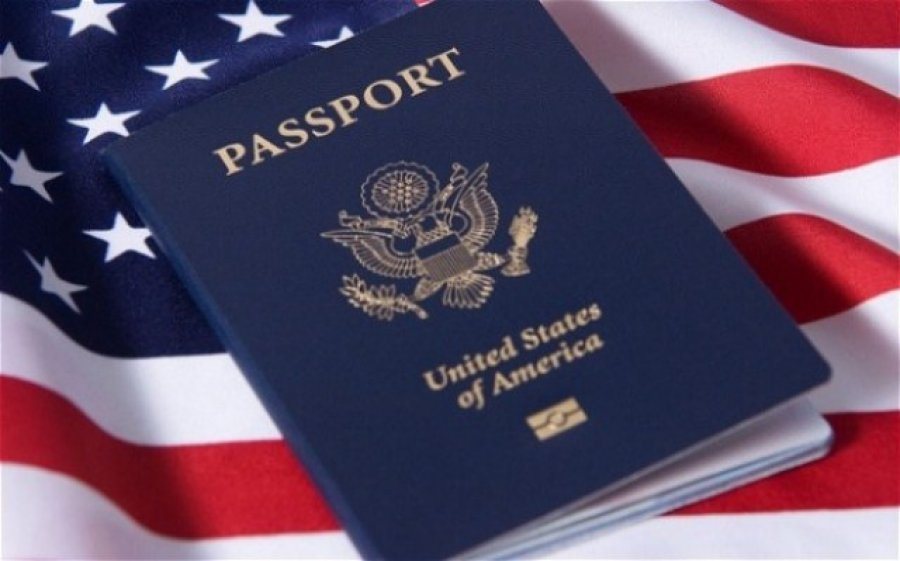
Key Supreme Court decisions have enshrined the principle that U.S. citizenship cannot be revoked without clear evidence of the individual's intent to renounce it. Interpreting silence as a voluntary act runs counter to this well-established jurisprudence...
A bill titled the “Exclusive Citizenship Act of 2025,” sponsored by Ohio Republican Senator Bernie Moreno, has been filed in the US Senate. The essence of this initiative is to ban dual citizenship for American citizens and impose the obligation for every US citizen to hold only one citizenship.
In various conversations among first-generation immigrants, a noticeable concern about this issue has begun to emerge. For many immigrants who have built their lives in America while maintaining family and legal ties to their countries of origin, these debates are not perceived as simply abstract or theoretical. They are seen as a signal that a reality consolidated for decades may be called into question.
Interestingly, the bill's proponent is himself an immigrant. Bernie Moreno came to the United States from Colombia at the age of 18 and has built his life and career in America. That doesn't automatically make the bill wrong, but it does make the debate more meaningful: a law that limits the immigrant experience is being proposed by someone who has benefited from it himself.
Under the bill, U.S. citizens who hold another citizenship would have a one-year deadline to choose between renouncing their foreign citizenship or losing their U.S. citizenship. If they take no action within that period, their silence would be interpreted by the bill as a “voluntary renunciation” of U.S. citizenship.
In the American constitutional tradition, the loss of citizenship has historically been linked to a clear act of will, not to a lack of administrative response. Key Supreme Court decisions have enshrined the principle that U.S. citizenship cannot be revoked without clear evidence of an individual's intent to renounce it. Interpreting silence as a voluntary act runs counter to this well-established jurisprudence.
This bill represents a stark departure from the way the U.S. has treated citizenship for more than a century. American citizenship is not built on the principle of identity exclusivity. Waves of immigration from Europe, Latin America, and Asia have produced generations of citizens who have maintained family, cultural, and legal ties to their countries of origin, without ever being considered a threat to the American constitutional order.
Praktika administrative amerikane, deri më sot, e ka pranuar këtë realitet juridik dhe shoqëror, për aq kohë sa qytetari respekton ligjet dhe detyrimet kushtetuese të SHBA-së. Asnjë studim zyrtar apo raport institucional nuk ka provuar se shtetësia e dyfishtë përbën rrezik për sigurinë kombëtare, rendin kushtetues apo besnikërinë qytetare.
Në këtë kuptim, projekti duket se nuk buron nga një problem real, por nga një qasje ideologjike ndaj konceptit të besnikërisë. Ai niset nga supozimi se besnikëria politike nuk mund të jetë e shumëfishtë, e ndarë ose e shtresëzuar. Ky supozim bie ndesh me realitetin juridik dhe shoqëror të një shteti federal, multietnik dhe global si SHBA.
Një tjetër element problematik është afati kohor i imponuar për zgjedhje. Vendosja e një periudhe prej një viti si afat për një vendim shumë të rëndësishëm juridik, familjar dhe civil të individit është një gjë krejtësisht e pamenduar. Në praktikë, shumë qytetarë amerikanë me shtetësi të dyfishtë ndodhen në situata ku heqja dorë nga njëra shtetësi ka pasoja të panjohura ligjore, pronësore ose familjare në vendin tjetër. Projektligji nuk ofron asnjë alternativë apo mekanizëm për të adresuar problemet që mund të krijohen.
Edhe argumenti i “interesit kombëtar” mbetet i paqartë. Një shtet që e konsideron shtetësinë e dyfishtë si kërcënim të brendshëm rrezikon të relativizojë vetë konceptin e shtetësisë si e drejtë kushtetuese. Në vend që shtetësia të shihet si lidhje e qëndrueshme juridike mes individit dhe shtetit, ajo reduktohet në një status të kushtëzuar, të revokueshëm për arsye administrative.
Duhet theksuar se projekti ndodhet ende në fazë shumë të hershme procedurale dhe është referuar në Komitetin Gjyqësor të Senatit, ku shanset për miratim janë minimale. Megjithatë, rëndësia e tij nuk qëndron vetëm te probabiliteti i kalimit në ligj, por te sinjali politik dhe institucional që përcjell.
Paralelisht, në Dhomën e Përfaqësuesve është paraqitur një nismë tjetër, e njohur si MACA Act, nga kongresmeni Abe Hamadeh, e cila nuk synon ndalimin e shtetësisë së dyfishtë, por kërkon identifikimin statistikor të qytetarëve me dyshtetësi përmes Censusit. Edhe pse gjoja më e moderuar në formë, kjo nismë mbështetet në të njëjtin qëllim: se dyshtetësia është fenomen që duhet monitoruar si një problem potencial.
Nëse shihen së bashku, këto dy iniciativa tregojnë një prirje të re politike: kalimin nga pranimi i pluralitetit juridik drejt menaxhimit dhe kufizimit të tij. Fillimisht përmes numërimit, më pas përmes kushtëzimit.
Në botën e sotme, ku kapitali, korporatat dhe elitat ekonomike veprojnë përtej kufijve kombëtarë, fokusimi te pasaporta e dytë e qytetarit të zakonshëm duket anomali.
Historically, the strength of American citizenship has been its ability to include, not exclude. It has been a political relationship built on loyalty to the Constitution and the law, not on a single, forced, or exclusive identity. American citizenship has allowed generations of immigrants to become part of the state without requiring them to erase their language, history, or personal ties to their countries of origin.
It is precisely the strength of this tradition that such initiatives remain more political signals than real policy. Therefore, in practice, these bills have very little chance of being approved, because they contradict the history, principles, and the very legal identity of the American state. So, we can only wait and see.






Lini një Përgjigje