


 Shkruar nga Namir Lapardhaja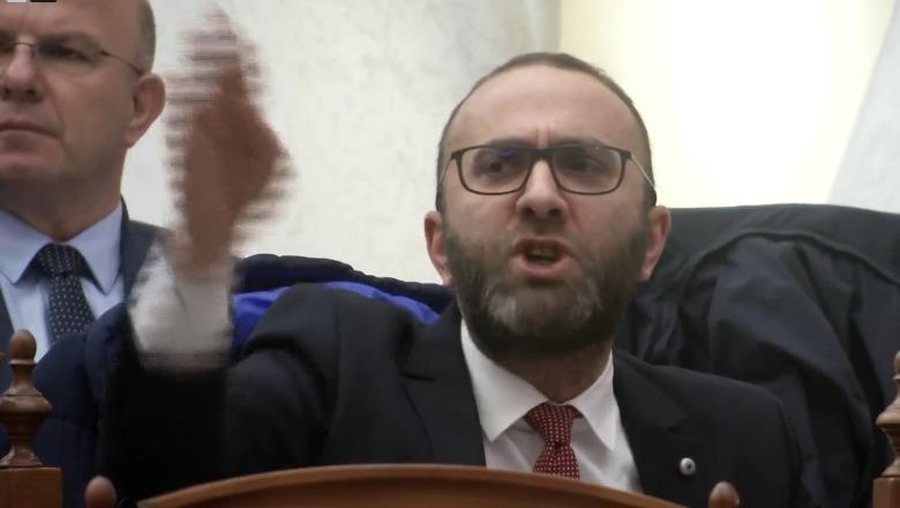
Bardhi's stance seems "more Catholic than the Pope", while putting an end once and for all to any dilemma and hope that 'his group' would undertake any movement within the DP in September.
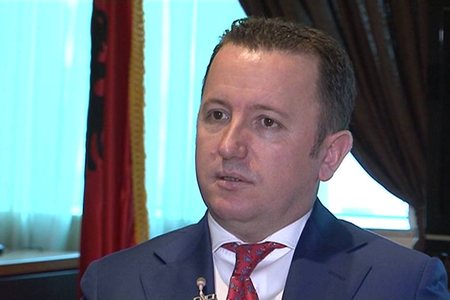
In his latest interview, Gazment Bardhi went further than any other Democratic Party MP. He stated that not only would he not demand Sali Berisha's resignation, but he also declared that he would vote against the "Basha" article, describing it as anti-statutory, if it were to be put up for discussion.
Bardhi's stance seems "more Catholic than the Pope", while putting an end once and for all to any dilemma and hope that 'his group' would undertake any movement within the DP in September.
Moreover, with the language, claims, and accusations he articulated to justify the poor outcome of the May 11 elections, he not only imitated Berisha's narrative, but in some cases even surpassed it.
In this sense, Bardhi simply expressed loyalty to the boss, no different from Berisha's most ardent loyalists.
With this approach, he embodies precisely the essence of the identity crisis that has gripped democratic MPs today: they say one thing in public, think something else in private, and act differently in their daily practice.
The question that naturally arises is: does Gazment Bardhi himself believe what he says?
The truth is that, in a few years in politics, he has proven that his statements are fluctuating, changeable and dependent on current circumstances, lacking any morals or political manliness. However, even after the teasing that the famous Zegjineja gave him, he no longer represents any clear political stance, but simply embodies the most obvious symptom of a broader crisis: the crisis of a group of deputies without identity, without stance, and without a future on the political scene after Berisha's biological time.


Lini një Përgjigje