


 Shkruar nga Hal Brands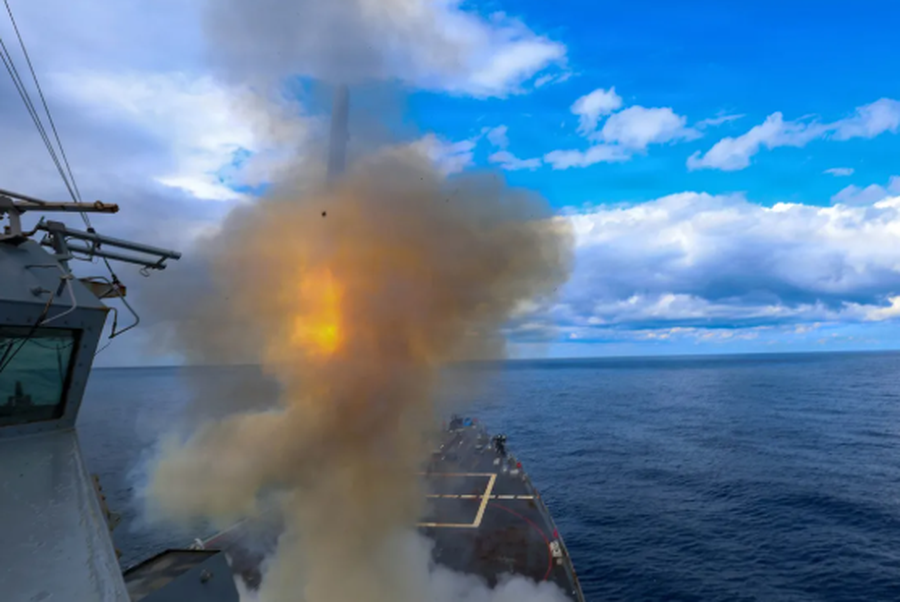
The war is exposing the strength and limitations of the United States. It is raising fears among adversaries, but it is consuming vast military resources. And its consequences will directly affect America's global standing...
Will destroying Iran strengthen America’s global defensive posture? Will the dismantling of a “rogue state” make other malign actors think twice before acting? These are vital questions, given that the Pentagon faces a host of global challenges. The answers are: yes, no, and it depends.
Yes: The current show of force will enhance the aura of US power and instill fear in adversaries.
No: The war will drain forces and diminish capabilities that the US may need in other battles.
It depends: The consequences for future conflicts still depend on the final outcome of this war.
Potential conflicts cannot be ignored, even though the Middle East is “on fire.” A revisionist Russia is threatening Europe, while a possible war with China looms on the horizon if the latter tries to invade Taiwan.
President Donald Trump's National Defense Strategy labeled China as the "defining challenge" and argued that the US should avoid conflicts in the Middle East that drain resources and attention.
Therefore, it remains to be seen how America's latest intervention in that region may affect deterrence in those countries, which, according to Trump's own strategy, are of the greatest importance.
From a psychological perspective, the effects are mostly positive.
On Iran, Trump is showing a willingness to escalate dramatically. He is using tools—global strike power, partnerships with capable allies, and advanced technology—that position the United States above all others. The U.S. military is dismantling the forces of a once-feared adversary.
In cooperation with Israel, Trump is demonstrating his willingness to directly target the leaders of hostile states. Iran is not in the same category as China or Russia. A skeptic might say that Trump dominates weak actors but submits to the strong.
However, these elements of the Iran war are useful for conflict prevention. They reinforce respect for American power and make rivals think about what would happen if they were to face Trump.
Yet deterrence is as much about capabilities as it is about psychology, and here the consequences are more troubling. America's capabilities are impressive but limited. And whatever Trump says, the global costs of this conflict are real.
Lufta kundër Iranit - ashtu si sulmet ndaj Houthi-ve dhe operacionet e tjera të fundit - i ka shteruar rezervat e raketave lundruese Tomahaëk. Numrat e saktë janë sekret shtetëror, por SHBA-ja ka përdorur ndoshta në ditët e para të luftës një sasi që i korrespondon prodhimit të disa viteve.
Pentagoni ka pakësuar rezervat e municioneve të tjera me rreze të gjatë dhe veçanërisht të interceptorëve të raketave dhe mbrojtjes ajrore të nevojshme për të zbutur hakmarrjen e Teheranit.
Angazhimi i vazhdueshëm në Lindjen e Mesme po e sforcon shumë flotën. USS Gerald Ford po kryen atë që mund të jetë një nga misionet më të gjata të një aeroplanmbajtëseje në historinë e Marinës. Ritmi i lartë i operacioneve, po shkakton konsumimin e avionëve si B-2 dhe F-22, të cilët do të ishin jetikë në një betejë në Evropë apo në Paqësor.
Ushtria amerikane nuk është e përgatitur për të luftuar disa luftëra njëkohësisht, apo në një sekuencë të shpejtë. Pavarësisht përpjekjeve për të rritur prodhimin e municioneve, baza industriale e mbrojtjes nuk mund t’i rimbushë ato me shpejtësi.
Një ish-zyrtar i lartë i mbrojtjes u shpreh se nëse zbatohen në mënyrë të zgjatur, planet e luftës së Pentagonit përbëjnë “potencialisht një kërcënim ekzistencial” për aftësinë e ushtrisë për të ekzekutuar plane të tjera. Një konflikt i zgjatur me Iranin, mund të konsumojë mbrojtjen ajrore që Trump mund t’ia ofronte Evropës ose Ukrainës.
Ç’është më e rrezikshme, kjo mund ta lërë SHBA-në të papërgatitur për një përballje në Paqësorin Perëndimor. Uashingtonit i mungonin rezervat e municioneve edhe për një luftë të shkurtër me Kinën. Dhe me çdo breshëri sulmesh ajrore në Gjirin Persik, kjo mangësi bëhet edhe më akute.
Mungesa të tilla mund të mos çojnë domosdoshmërisht në një sulm kinez ndaj Tajvanit, pasi vendime të tilla rrjedhin nga llogaritje komplekse. Por ato mund ta vendosin Trumpin në një pozicion dobësie ushtarake dhe diplomatike, duke rritur mundësinë që parandalimi të dështojë në mënyrë katastrofike.
Sigurisht, pozicioni i Amerikës në Paqësor varet edhe nga epilogu i kësaj lufte. Ndoshta ajo do të përfundojë brenda pak ditësh, me regjimin iranian aq shumë të dobësuar sa të mos përbëjë më kërcënim, ose me udhëheqës të rinj më të prirur për bashkëpunim.
Në këtë skenar, harxhimi i armatimit do të ishte i justifikuar. SHBA-ja mund të realizonte më në fund kthesën drejt Paqësorit, duke dobësuar dy partnerë të Pekinit (Venezuelën dhe Iranin), duke forcuar kontrollin mbi furnizimet me naftë dhe duke vendosur një rend më të qëndrueshëm në Lindjen e Mesme.
Ndoshta kjo krizë do të nxisë edhe rritjen e shpenzimeve industriale për ta përgatitur Amerikën për sfida më të mëdha. Ndërkohë rezultate të tjera janë më shqetësues. Lufta mund të zgjasë me javë. Ajo mund të përfundojë me një regjim iranian të dëmtuar por të paprekur, duke ushqyer një urrejtje të thellë dhe dëshirën për t’u riarmatosur.
In this case, the Pentagon would be forced to keep large forces in the region to guarantee the security of allies. The pivot to the Pacific would never happen. The US would remain stuck in another Middle Eastern “mess.”
The coming days and weeks will tell what the outcome will be. However, Trump's bet on the Middle East will leave a deep mark not only on that region, but on America's entire global military posture. / Pamphlet from "Bloomberg"
Note: Hal Brands, professor at the School of Advanced International Studies (SAIS) at Johns Hopkins University.




Lini një Përgjigje