


 Shkruar nga Eduard Zaloshnja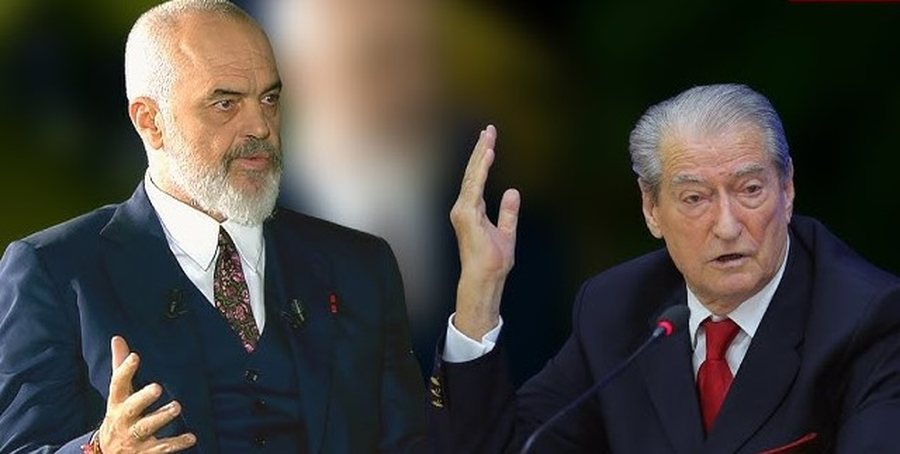
It is understood that the tent of the disappointed is politically and ideologically diverse. It includes those disappointed by politicians such as Rama, Berisha, Meta, Lapaj, Shehaj, Qori, etc.
From a statistical extrapolation of my latest survey for the show 'Voice of the Albanians', I found that approximately 310 thousand participants here in the last parliamentary elections are disappointed with the parties they voted for on May 11, 2025. Furthermore, approximately 437 thousand residents of voting age did not vote at all in those elections.
To summarize, it can be said statistically that almost 40% of Albania's 1.9 million adult inhabitants (around 747 thousand) are disappointed with all existing parties (large and small).
It is understood that the tent of the disappointed is politically and ideologically diverse. It includes those disappointed by politicians such as Rama, Berisha, Meta, Lapaj, Shehaj, Qori, etc., etc. It may include those disappointed by capitalism in general, or those disappointed by the capitalism being implemented in Albania. However, one piece of information from a previous survey of mine is very important for understanding the political orientation of the disappointed: 50% of them concluded that they assessed Ahmet Zogu as the best leader of the Albanian state in the last 100 years (the rest assessed Enver Hoxha, Ramiz Alina, Fatos Nano, or Edi Rama).
While around 700,000 adult residents of the country are ready to vote for Rama's SP and 400,000 for Berisha's DP today, it seems difficult to create a new political alternative beyond them, which would absorb the votes of the 747,000 disappointed ones. Because the tent of the disappointed ones is politically and ideologically diverse!
In attempts to create a new, politically significant alternative, only the SMI can be called temporarily successful to date, as it determined who would be the country's prime minister in two elections (2009 and 2013). But from 2017 onwards, even it has been a mere statistical noise regarding the determination of the country's prime minister.
Other attempts have been negligible statistical noise – they have either failed to produce parliamentary mandates, or have produced a mandate that plays no role in determining the country's prime minister. As for their electoral impact, my latest 'Voice of Albanians' poll showed that small parties have lost almost three-quarters of the voters they had on May 11, 2025...



Lini një Përgjigje