


 Shkruar nga Daniel Serwer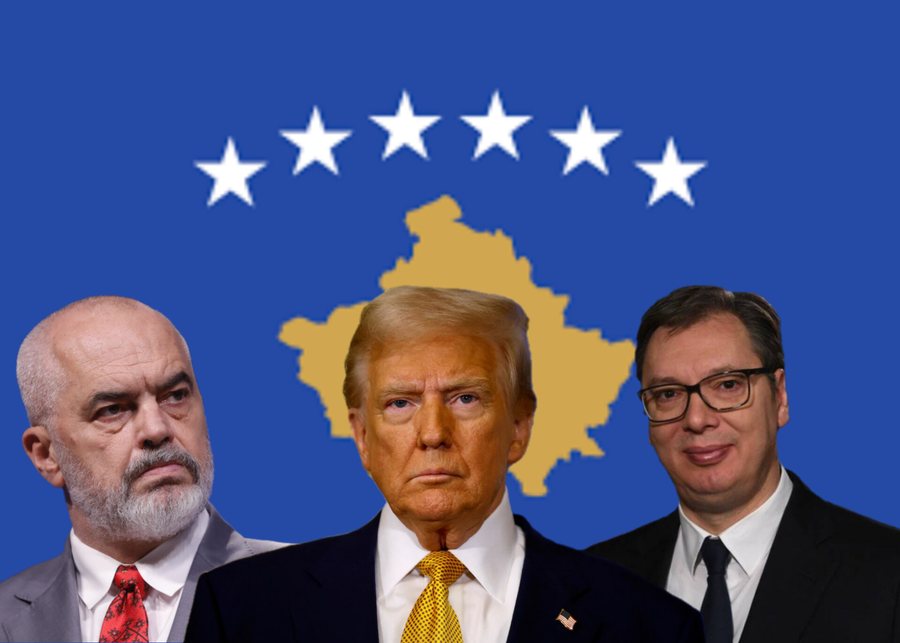
You can expect Trump to do nothing that will jeopardize Kushner’s projects or his Saudi money. That means a continued tilt toward Belgrade and away from Pristina, but not away from Tirana. Albania and Serbia agree on many things, including the need for their presidents to remain in power without serious opposition.
In 2020, then-President Trump signed separate agreements with Kosovo Prime Minister Hoti and Serbian President Vučić on “economic normalization.” The US administration heralded these agreements as major achievements. They provided highway and rail links, financing for small and medium-sized enterprises, Kosovo’s entry into what was then labeled a “mini-Schengen” area that included Serbia, Albania, and Macedonia, mutual recognition of diplomas, a ban on “untrusted” 5G vendors, and a host of other provisions that have little or nothing to do with economic normalization between Belgrade and Pristina.
Other economic provisions were even more minimal, except for a promise to Belgrade of more American investment. These agreements largely remained unimplemented. Israel recognized Kosovo and Pristina moved its new embassy to Israel to Jerusalem. Serbia received a lot of new American investment. The most important provision, the suspension of its campaign against Serbian recognition, never happened as far as I can tell.
Everyone had high expectations for Biden
People in the region, especially in Bosnia and Kosovo, had high expectations for the Biden administration in 2020. Senator Biden had been a strong advocate of U.S. interventions in the Balkans. Secretary of State Blinken knew the region well. The ambassador in Belgrade, Chris Hill, had been deeply involved in Dayton and then Rambouillet and as ambassador to Macedonia. Derek Chollet, an adviser at the state department, was also knowledgeable.
To my surprise, they decided to turn American policy in a decidedly pro-Belgrade direction. They also decided to support Albanian Prime Minister Rama. I knew that Biden had favored Belgrade’s candidacy for the European Union, without meeting the requirements. I had opposed him on this issue during testimony in the 2000s. But I didn’t realize that this reflected a general bias against Serbia.
For most of Biden’s administration, Gabriel Escobar, the former VKM in Belgrade, led the state’s Balkans. He made the creation of the Association of Serb-Majority Municipalities his exclusive priority. That would have meant giving Belgrade what it wanted most, while giving Pristina nothing. That would never work, and it didn’t.
But Biden’s people continued to lean toward Belgrade. When Serbia kidnapped two Kosovo police officers from Kosovo territory, they said nothing meaningful. When Vučić sent protesters into Kosovo to attack NATO peacekeepers, Washington said little. When Serbia organized and equipped a terrorist attack in Kosovo, they did nothing. In Bosnia, Biden’s people prioritized removing a Bosnian nationalist politician. They left the much-sanctioned Serb and the equally hated Croat for another time.
What to expect now?
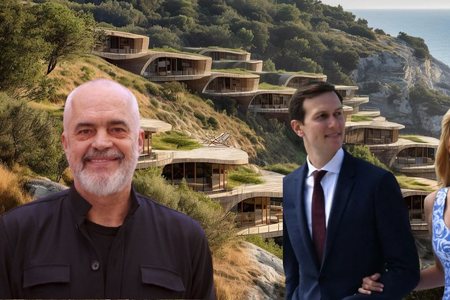
I expect no better from the second Trump administration. Jared Kushner, Trump's Saudi-funded son-in-law, has sought investment projects in both Serbia and Albania. As far as I know, he has not visited Bosnia or Kosovo.
You can expect Trump to do nothing that will jeopardize Kushner’s projects or his Saudi money. That means a continued tilt toward Belgrade and away from Pristina, but not away from Tirana. Albania and Serbia agree on many things, including the need for their presidents to remain in power without serious opposition. Americans have been supportive under Biden. That will continue under Trump.
People in the Balkans will be watching Marco Rubio's confirmation hearing today for any question that has to do with the Balkans. That could be a hint of where things are going. But I wouldn't bet on any Balkan issues being brought up unless someone pushes one of the senators to do so.
Mico Vlahovic quotes outgoing Assistant Secretary James O'Brien as saying: We don't want it to appear that one [American political] party or the other is taking responsibility, because in America both sides believe that a strong relationship is important – both for our country and for Serbia. That means continuing to appease Belgrade.
It could be worse than that if Washington reverts to its desire to divide Kosovo along ethnic lines. But neither appeasement nor partition will bring peace and stability. The path to that is strengthened sovereignty for all countries in the region. In these waning days, the Biden administration is pushing for “strategic dialogue” with both Belgrade and Pristina. This isn’t the worst idea I’ve heard, but it all depends on the agenda./ Adapted from “Peacefare”



Lini një Përgjigje