


 Shkruar nga Prof. Mimoza Manxhari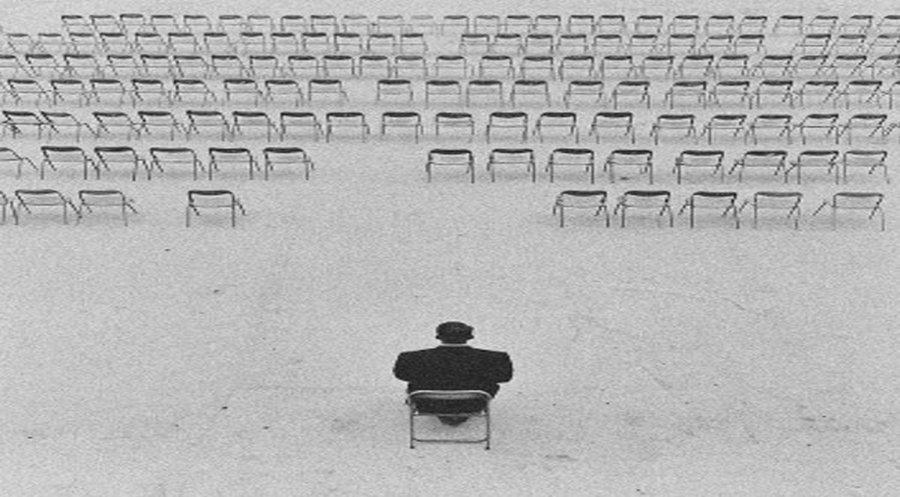
When the government remembers to talk about the destruction it has itself fueled.
RTSH and higher education are not in crisis today because “something suddenly went wrong.” This is a misconception. They are in crisis because for years they have been allowed to enter an institutional degeneration, a state where the internal capacity of the institutions is exhausted, where rules exist only on paper, and where the purpose of the institution loses meaning.
Speaking up for justice is not simply an emotional reaction; it is a civic responsibility that arises when silence normalizes disorder and hinders the functioning of institutions. In this context, institutional degradation is not a coincidence, but the result of deliberate strategies by the government to shift responsibility, create confusion, and legitimize the manipulation of public perception.
In organizational theory, this process is called institutional degradation (or entropy) and occurs when:
lack of clear responsibility;
authority and autonomy conflict with each other;
the structure is kept alive only to exist, not to fulfill the mission;
real mechanisms of transparency and internal control are lacking;
politics and personal interest take priority over the public mission;
Control over information and its interpretation become tools of power, undermining citizens' ability to judge reality.
Institutions that retain their memory and organizational potential are a threat to power. Those that become numb lose influence and become useless.
This is what has happened with RTSH and public universities. The political power has created institutions that:
they call themselves independent, but are financially dependent on the government;
they have a public mission, but are treated as political instruments;
they demand accountability from below, but they do not give accountability from above, they do not take responsibility;
strategic decisions are made for personal or party interests, not for the needs of society;
Institutional leaders are elected or retained for political loyalty, not for ability and merit;
internal communication and public information are controlled to keep citizens in suspense and to hide failures;
innovation and critical proposals are often stifled or ignored, creating a climate of fear and self-censorship;
Institutions become simulation structures that appear to function, but in fact do not create real value for citizens.
This combination produces a slow decay:
not open chaos, but controlled atrophy and sterility, or a slow institutional death.
Fakti që pushteti shfaqet tani si reformator nuk do të thotë se synon të ndreqë institucionet. Ai kërkon të mbrojë imazhin dhe legjitimitetin e vet politik, duke lejuar degradimin të vazhdojë nën një maskë tjetër. Përgjegjësi reale do të ishte angazhimi për rikthim të kuptimit dhe funksionimit të institucioneve, jo vazhdim i manipulimit të perceptimit publik.
Ndaj, fakti që Kryeministri shfaqet në vitin e trembëdhjetë të pushtetit për të denoncuar RTSH-në dhe ligjin për arsimin e lartë nuk është reformë. Është zhvendosje përgjegjësie. Ky është shembulli klasik i pushtetit afatgjatë:
-autori i sistemit refuzon autorësinë e pasojave dhe shfaqet si gjykatës i dështimit që vetë e ka prodhuar.
Në vend që të flasë për:
ligjet që kanë mbetur në fuqi për dekada dhe nuk janë harmonizuar me nevojat e shoqërisë;
mënyrën se si financohen dhe kontrollohen institucionet, duke i lënë të varura nga interesat politike dhe jo nga misioni i tyre publik;
mungesën e transparencës dhe mekanizmave të vërtetë të llogaridhënies;
frikën, autocensurën dhe shtypjen e çdo ideje kritike ose inovative;
përzgjedhjen dhe promovimin e drejtuesve bazuar në besnikëri politike dhe jo aftësi profesionale;
pushteti flet për “institucione që nuk funksionojnë”, sikur ato të ishin subjekte autonome, të shkëputura nga arkitektura politike që i ka mbajtur peng!
Ai i paraqet gabimet dhe dështimet si fatkeqësi të jashtme, duke mos ekspozuar mënyrën se si vetë krijoi kushtet për dështim.
Perceptimi publik vijon të manipulohet dhe përgjegjësia reale mbetet e fshehur. Në teoritë organizative, kjo quhet këputje e zinxhirit të përgjegjësisë.
Në praktikë, hipokrizi politike.
RTSH dhe universitetet janë lënë në degradim sepse prodhojnë kuptim, kujtesë dhe mendim kritik; kjo është e rrezikshme për pushtetin që kërkon stabilitet përmes heshtjes, jo besimit. Institucionet nuk dështuan sot; ato u konsumuan ngadalë, deri sa u shndërruan në struktura që ekzistojnë, por nuk jetojnë. Pushteti që flet sot si reformator nuk kërkon t’i shpëtojë ato, por veten, duke lejuar degradimin të vazhdojë nën një maskë tjetër.
Degradimi nuk është thjesht lodhje institucionale; është humbje e kuptimit moral të pushtetit si instrument për mbajtjen e popullsisë në pasivitet dhe bindje të verbër. Një pushtet që nuk ndërton institucione të qëndrueshme, por i mban ato në gjendje mbijetese, dështon jo nga paaftësia, por nga frika ndaj autonomisë së institucioneve dhe nga interesi për kontroll absolut. Kur flet si reformator pas vitesh sundimi, nuk kërkohet rregull, kërkohet harresë dhe përmbysje të kujtesës kolektive.
Kjo është arsyeja pse sot flitet për dështime: aspak për t’i ndrequr, por për t’i mbajtur këto dy institucione të fuqishme nën kontroll, ose për t’ua dhënë privatëve.
Paradoksi nuk është që kryeministri foli për dështimet e RTSH-së dhe arsimit të lartë. Paradoksi do të ishte po të pranonte përgjegjësinë e vet dhe të kabineteve që kanë ushqyer degradimin për vite me radhë.
Imagjinoni sikur kryeministri të kishte thënë:
“For the past 13 years, we have made mistakes that have directly impacted the way our public institutions function. RTSH and public universities have not failed because of their own misfortune; they have been a product of our policies and the attitudes we have tolerated during this period. Today, I do not come to make excuses or manipulate public perception. I come to accept my responsibility and that of the cabinet, and to present concrete steps to restore the energy, meaning, and autonomy of these institutions.”
But he didn't!
This hypothetical reflection makes it clear that the lack of responsibility is not just inaction, but a conscious choice by power to maintain control and silence.
Without such an overt act, any sentence of reform remains just rhetoric, and degradation continues hidden behind the public image.
Orwell wrote that those who control words and their meaning create a “parallel reality” where failures appear as external disasters, not as a result of their actions. Words are used to maintain power and manipulate perception, not to fix institutions.
Institutions that develop critical thinking and collective memory are threatening to the power that controls perception, not reality.
The government that speaks late is not awake; it invents a political amnesia.
Degradation is not the result of human incompetence; it is the product of a model of power that feeds its own decay, keeps the institution weak and subservient, and uses this weakness as a means of control over the population and critical thought.
What results is not a functional institution, but a structure that exists only to justify the power that created it.







Lini një Përgjigje