


 Shkruar nga Veton Surroi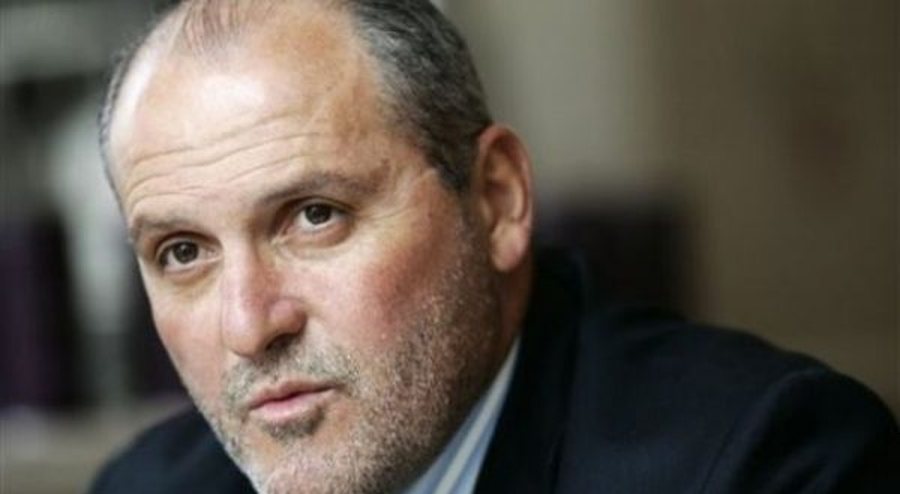
A society that is capable of committing genocide against other peoples has a deep problem, which is not solved even the day the genocide stops.
Last week, David Grossman shocked himself, public opinion and world diplomacy. In the same week, France and Britain announced that they would recognize the independent state of Palestine during the annual UN session, and this announcement was immediately joined by Canada and Finland, with the list likely to continue and be updated until September. In the same week, Western diplomatic and diplomatic communiqués condemning Israel's actions were added. The tone of the states was harsher than before, and even the announcement of recognizing Palestine was an unprecedented act, but none of this stopped the daily killing of Palestinians in Gaza or the West Bank, none of this quenched the general hunger in Gaza created by the Israeli authorities as a means of war.
The Israeli government has traditionally been accustomed for more than half a century to receiving remarks and criticism from the West for its actions: criticism comes and goes, the reality on the ground, that of the narrowing of the living space of the Palestinians and the expansion of Israeli settlers, remains. Part of this reality is the US military aid to Israel, identified as a strategic partner in a region of major geopolitical importance. For Israel, as long as the military aid continues (from the Hamas attack in October 2023 to November 2024, Israel has received $12.5 billion in military aid, according to the magazine “Foreign Affairs”), the call for restraint and respect for human rights is of little importance.
A militarized power like Israel, with the idea codified as law that it is the national state of all Jews in the world (who automatically receive Israeli citizenship wherever they are and whenever they want), is not very impressed by political threats from abroad. So far, it has not been impressed by internal criticism, not even that traditionally made by David Grossman as a left-wing intellectual, but perhaps last week can make a difference, because the famous Israeli writer declared in “La Repubblica” that “with a broken heart I have to say that what is happening in Gaza is genocide.”
Grossman was not alone in Israel. In the same week, two reports were published by two respected Israeli human rights organizations, B'Tselem and Physicians for Human Rights, both of which accuse Israel of committing genocide in Gaza. The Doctors Without Borders report, summarized in a few lines, reads as follows: "This is not a temporary crisis. It is a strategy to eliminate the conditions necessary for life. Even if Israel stops the offensive today, the destruction it has caused guarantees that preventable deaths – from hunger, infections and chronic diseases – will continue for years to come. This is not collateral damage. This is not a side effect of war. It is the systematic creation of unlivable conditions. It is the denial of survival. It is genocide."
That is how David Grossman must have reached his conclusion. The figures of destruction – Physicians for Human Rights: “Israel has displaced 9 out of 10 Gazans, destroyed or damaged 92% of homes and left over half a million children without schools or stability. It has eliminated essential health services, including dialysis, maternal care, cancer treatment and diabetes management”, 60 thousand Palestinians, 30 percent of whom are children, the daily images of infants dying of hunger – is a cumulative narrative that brings to a point where silence turns to clamor. David Grossman’s words, thus, become a departure from complicity in genocide.
This could be a turning point. Israel is built on a tacit consensus that the Jewish nation-state is the goal, which forces you to turn a blind eye, sometimes or permanently, to the means by which this goal is achieved, including the occupation of the Palestinians and the colonization of their lands. The state built on this consensus has managed to build immunity to Western criticism and equally to internal criticism. Anyone who has raised the issue of Palestinian human rights has been met with the response (unspoken by Western powers) that Israel’s security is paramount.
Now this consensus is being questioned. And the question is whether it is acceptable for Israel's security to be built on the physical disappearance of another nation? This is a more difficult question for Jews than for any other people, because in Adolf Hitler's ideology the physical presence of Jews was considered a threat to the German state. The physical disappearance of Jews was raised as part of a social consensus of the time, that for the sake of the security of the state the German nation should be eliminated from the territory of Germany (wherever its borders may be).
“Tradhtar” do të ishte cilësimi për Grossmanin në situata analoge në Ballkanin Perëndimor, aty ku intelektualët publikë në Kroaci, Serbi, Bosnjë-Hercegovinë apo Kosovë do të tregonin empati për persona të kombit tjetër, të cilët përndiqen nga kombi a grupacioni më i madh.
Ky fat ka mund të jetë i paevitueshëm për Grossmanin, por Izraeli u lind dhe është ndërtuar me etikë tjetër ndaj kombit dhe shtetit. Duke marrë pjesë në luftëra të pandërprera, me shërbim ushtarak të obliguar dhe shërbim rezervist aktiv, Grossman dhe intelektualët e tjerë kanë qenë pjesë aktive e mbrojtjes e zgjerimit territorial të shtetit. Vetë Grossman ka shërbyer në inteligjencë ushtarak e për më tepër, në njërën prej këtyre luftërave, në një tank në Liban u vra si ushtar i biri i shkrimtarit Uzi.
Ndaj David Grossman mbase simbolizon luftën e brendshme që ka një shtresë e gjerë njerëzish në Izrael, asaj mes besnikërisë ndaj shtetit e idesë së shtetit të hebrenjve dhe çmimit luftarak dhe etik që do paguar për të. Ky çmim etik tashmë ka arritur te njohja se shteti po ndërtohet a mbrohet (apo ashtu është arsyetimi) me gjenocid. Për Grossmanin, B’Tselem dhe Mjekët për të Drejtat e Njeriut ky është një prag moral, pas kapërcimit të të cilit nuk ka kthim prapa.
Një shoqëri që është në gjendje të ushtrojë gjenocid ndaj popujve të tjerë ka problem të thellë, i cili nuk zgjidhet as ditën kur ushtrimi i gjenocidit të jetë ndalur. Dhe këto probleme nuk zgjidhen me formula gjeopolitike (Izraeli është aleat, ani pse ushtron gjenocid) siç u pa me Republikën e Afrikës së Jugut (në atë rast qe aparteidi) e as me deklarime ideologjike se Izraeli është demokracia e vetme në regjion. Demokracia dhe gjenocidi nuk shkojnë bashkë ose shkojnë ashtu si me Adolf Hitlerin, i cili po ashtu erdhi në pushtet me zgjedhje demokratike dhe mandatin e tij e shfrytëzoi për, mes tjerash, shfarosje të hebrenjve.
Fjala gjenocid është prag i lartë. Deri më tani ai është shikuar si prag i lartë juridik, ngase në Konventën për ndalimin e gjenocidit fshihet fjala “qëllim”, pra fshihet obligimi që për të dënuar ndonjë shtet për akt gjenocidi duhet dëshmuar se veprimet e tij kanë pasur për “qëllim” dëbimin, vrasjen apo krijimin e kushteve për mosjetesë. Me Grossmanin dhe dy organizata të të drejtave të njeriut ky prag i lartë moral tashmë shndërrohet në përcaktimin etik të qytetarëve të Izraelit. Nëse ajo që po ndodh në Gazë është gjenocid, si mund të bashkëjetohet me të?
Kjo vlen edhe për fuqitë perëndimore. Deklarimi i disa prej tyre se do ta njohin shtetin palestinez nuk po e ndal gjenocidin dhe nëse nuk ka veprim tjetër nuk do ta ndalë në të ardhmen. Mbase këtë nuk do ta bëjë as deklarimi i Grossmanit apo raportet e dy organizatave të të drejtave të njeriut.
The West will then find itself faced with dilemmas of its own – of its ability to coexist with genocide. For the children and other inhabitants of Gaza, these are physical existences at stake, and for the West, the existence of its moral and ethical norms is at stake.



Lini një Përgjigje