


 Shkruar nga Pamfleti
Drug dealers found shelter in hotels, guesthouses, or with cooperating residents. Various fines were imposed on accommodation facilities for not providing the requested information, and the profits were brought back to Albania.

20 people have been arrested and 19 others are being investigated after a wide-ranging operation against drug trafficking in Italy.
According to Italian media, investigations by Italian authorities revealed that Albanians were also part of the drug trafficking organization.
The people who sold drugs were housed in hotels, but also collaborated with residents of the areas where they transported the narcotics. Meanwhile, buyers made requests for drugs via WhatsApp messages sent to various Italian numbers.
19 of those arrested were Albanian citizens and one Italian. Over 38,000 euros were seized by the police.
Investigations against the Albanian group
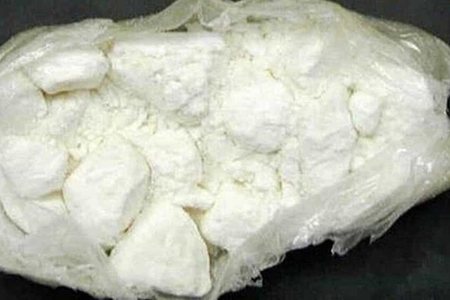
The suspects were found guilty of various charges of cocaine trafficking, money laundering and self-laundering of drug proceeds, as well as forgery of payment instruments, identity impersonation and aiding and abetting. The investigation is the culmination of investigations carried out by the Piacenza Squad between 2021 and 2025 into a wide criminal network involved in the retail distribution of cocaine in the city.
The drug trafficking activity was carried out without interruption by a network composed of a large number of Albanian citizens, almost always unknown in police databases, and sent by the criminal group from Albania to Piacenza for retail trafficking.
The criminal enterprise under investigation had, in fact, devised a particularly clever tactic to protect itself. The dealers moved around as simple passers-by or tourists who had recently been to the city, while the buyers made requests for drugs via WhatsApp messages addressed to various Italian mobile numbers. The operator managing that number, after receiving the request and obtaining a brief physical description from the buyer, would contact the dealer who was currently active in the area via another number, ensuring that the customer and the dealer met and the transfer was carried out immediately, without the need for introductions or lengthy negotiations. This was therefore a transaction method that preserved both the dealer's identity and the actual dynamics of how the transfer took place.
Therefore, drug trafficking was not "street", a marginal criminal phenomenon in Piacenza, especially for cocaine, but occurred through a triangulation of supply and demand, thanks to distant intermediaries.
The trader responsible for the distribution moved throughout the city, experiencing it as a normal person, frequenting bars, public places and parks, staying in accommodations, or even renting a property. Therefore, not in the typical way in which he waits seated for the client, as in the countryside or hidden in old abandoned rural houses, nor in the premises where they live permanently and can be reached by users, nor even in the vehicles at their disposal to travel and reach customers (with the exception of bicycles or scooters, used only for speed).
On the other hand, it was observed and learned how the drug dealer responsible for the order would occasionally, starting from where he was, arrive at the predetermined location and there identify the client based on information received from the switchboard operator, who in the meantime received confirmation of his presence on site.
Drug dealers found shelter in hotels, guesthouses, or cooperating residents. Various fines were imposed on accommodation facilities for failing to provide the requested information, as well as on private individuals for failing to provide declarations of hospitality.
During the operation, 20 people were arrested in flagrante delicto: 19 Albanian citizens and one Italian citizen, all without criminal records, who were involved in supplying buyers from all social classes. A total of 40 drug users were identified, all from Piacenza, aged between 25 and 60.
Foreign traders, after being released from prison, were repeatedly deported from the country and escorted back to Albania by plane or sea, and none of them ever returned. During the investigation, police seized 38,376 euros and reconstructed the transfer abroad, specifically to Albania, of the other 61,451 euros.
The arrested drug traffickers are young men aged 20 to 30, all with no criminal record in Italy and no ties to the country, recruited exclusively to sell drugs in Piacenza until they are stopped by the police.
The investigation, conducted through multiple surveillance services as well as social media, seized mobile phones and international police cooperation channels, also led to the identification of a person residing in Albania who was responsible for managing the orders.
To operate at full capacity, the criminal network relied on money transfer businesses, which allowed money to travel abroad even using the personal documents of some unwitting clients, as well as a call center that supplied the criminal network with phone cards registered in the names of other unwitting clients of the business, which were used to manage contacts with drug users.



Shikoni se mund te jetë kompllot i Sorosit.Nuk ka mundësi që shqiptarët të merren me drogë.