


 Shkruar nga Pamfleti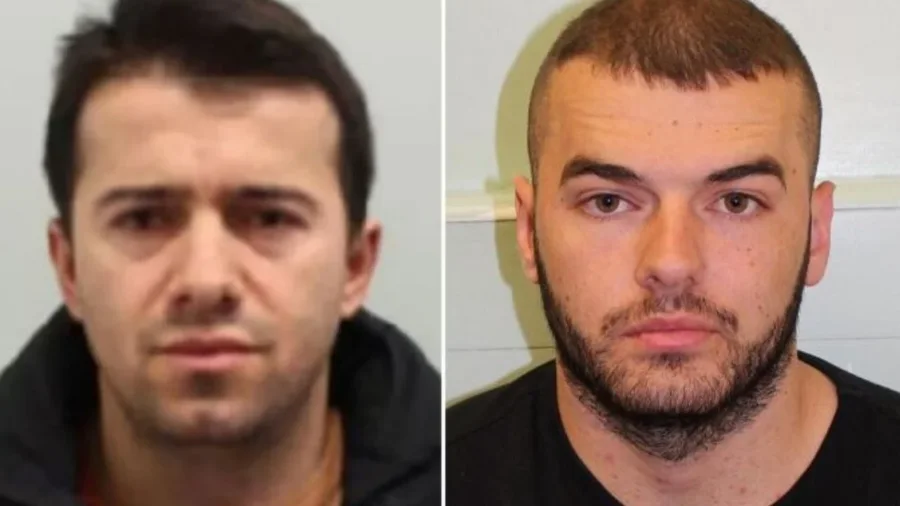
"Money laundering is as brazen as it gets! Using his freshly minted British passport, Albanian-born crime boss Gjelos Kolicaj would load suitcases full of wads of cash onto the airport scales before flying them back to his homeland," begins her article a English media Daily Telegraph.
Kolicaj and his brother, Jak, led a team of four couriers who made more than 80 journeys in two years from UK airports, including Stansted, to countries including Belgium and Greece, for onward transport to Albania.
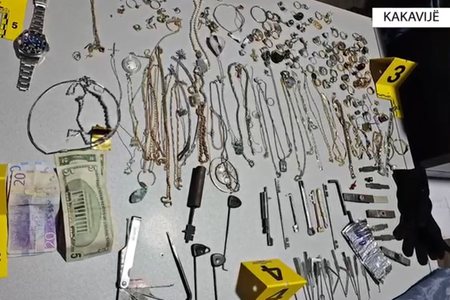
They were caught after police intercepted the smuggling of £180,000 and another £100,000. £180,000 was found wrapped in brown wrapping in a plastic carrier bag, hidden in a second, inner suitcase, as one of the couriers attempted to travel from Stansted to Thessaloniki in Greece.
National Crime Agency (NCA) investigators, who eventually caught him, estimated that he and his friends had smuggled just under £8m of profits from his organized crime group's enterprises outside the UK and in his homeland.
The 42-year-old career criminal was jailed for six years in 2018 after pleading guilty but has now been released and lives in the UK after the Home Secretary's attempts to deport him were frustrated by immigration judges after he claimed that his removal would be a violation of his human rights.
This despite evidence from the NCA that given the scale of his criminal activities and his "senior and controlling" role in the crime group, it was "likely" that he would "continue to pose a risk" to the public after his release from prison. jail.
It's a story that exposes the absurdities and loopholes in a government system that now promises to stop serious criminals taking up British citizenship in the first place and deport foreign offenders from these shores.
When and how Gjelos Kolicaj joined and rose through the ranks of his criminal gang is unknown, but it was clearly an advantage that shortly after arriving in Great Britain in 2005, he married a British woman. This enabled him to secure indefinite leave to remain in 2007 before gaining full UK citizenship and passport in February 2009. Having gained dual citizenship, he subsequently divorced his wife to married an Albanian woman with whom he has two children, now aged seven and five. She is now seeking UK citizenship based on her relationship with him.
The attempt to strip him of his citizenship and deport him failed after an immigration court decision alleging legal errors in the decision and violation of his right to family life under Article 8 of the European Convention on Human Rights (ECHR). .
Kolicaj is not alone. A Telegraph analysis of immigration court decisions over the past two years shows that courts have consistently ruled that the human rights of Albanian convicts and other criminals outweigh the danger to the public and block their deportations.
Albanian Ermal Gaxha, sentenced to 27 months in prison for seriously injuring a work colleague, whom he shot with a pistol, escaped deportation due to the damage it would cause to his "real and stable" relationship. with his British wife and daughter.
Edison Kullolli, an Albanian sentenced to nine months in prison for threatening behaviour, dangerous driving and possession of cocaine, cited Article 8 of the ECHR to avoid deportation. It was the same defense against deportation successfully mounted by Kristian Kodra, jailed for two years for running a brothel where drugs were sold.
Resul Rahova, who gained refugee status in 2012, was jailed for five years and six months after being caught with 1 million pounds of cocaine. However, citing Article 2 and 3 of the ECHR on his right to life and freedom from torture, he won his appeal against deportation after claiming that he would be the victim of a blood feud if returned to Albania. Even a woman's suffering can be a defense against deportation. Drug dealer Gazmend Jaupaj, jailed for two years for producing cannabis, avoided removal after claiming it would be "too harsh" for his British wife to either go to Albania with him or stay in the UK without her.
In an almost mirror image of the case of money launderer Kolicaj, Shefqet Vata, played an "important role" in an organized crime group and was jailed for five years and seven months for cocaine trafficking. He escaped deportation because of his family circumstances, namely his wife and three children.
Në të njëjtën javë kur The Telegraph zbuloi rastin e Kolicajt, doli gjithashtu se gjyqtarët vendosën që një fanatik i ISIS-it që hyri fshehurazi në Britani mund të qëndronte në Mbretërinë e Bashkuar për arsye të të drejtave të njeriut, pavarësisht paralajmërimit të MI5 se ai përbënte një kërcënim terrorist për Britaninë.
“Ky rast i tmerrshëm tregon GJEDNJ-në dhe rrjetën e ngatërruar që është rritur rreth saj, por nuk është unike, nuk është e qëndrueshme”, thotë Robert Jenrick, ish-ministri i imigracionit, përvoja e të cilit në Ministrinë e Brendshme e ka bindur atë se qeveria duhet të marrë një qasje më të ashpër. Kjo tani përfshin opsionin bërthamor të heqjes dorë nga GJEDNJ. “Kontrolli i kufijve tanë, sigurisht, do të ishte shumë më i drejtpërdrejtë nëse do të largoheshim nga rrjeti i ligjeve ndërkombëtare të të drejtave të njeriut, të krijuara për një botë tjetër dhe të shtrirë përtej qëllimit të tyre, që na lidhin duart”, argumenton Jenrick.
Edhe pse është një lëvizje e mbështetur nga rreth 60 deputetë konservatorë dhe u kërkua nga Rishi Sunak nga ish-këshilltari kryesor i Boris Johnson, Dominic Cummings në takimet e tyre private të zbuluara së fundmi, ai po rezistohet nga udhëheqja aktuale e partisë. Sunak thuhet se është “alergjik” ndaj idesë. Një zgjidhje kompromisi u ofrua në formën e një projektligji të të drejtave të propozuar nga ish-sekretari i drejtësisë Dominic Raab. Kjo u përpoq ta bënte më të lehtë dëbimin e kriminelëve të huaj duke shpallur Gjykatën e Lartë të Mbretërisë së Bashkuar si “vendimmarrësin përfundimtar” për të drejtat e njeriut dhe se praktika gjyqësore e Gjykatës Evropiane të të Drejtave të Njeriut nuk kishte nevojë gjithmonë të ndiqej nga gjykatat e Mbretërisë së Bashkuar.
Megjithatë, pas dorëheqjes së Raab nga qeveria, projektligji u hoq nga Sunak në favor të një qasjeje më të synuar për të frenuar migrimin e paligjshëm në legjislacionin e tij “ndaloni anijet” dhe tani projektligjin e Ruandës. Megjithatë, kritikët e projekt-ligjit, si ish-sekretarja e Brendshme Suella Braverman dhe z. Jenrick, kanë frikë se ai do të lejojë ende sfidat nga avokatët që përfaqësojnë azilkërkuesit dhe kriminelët e huaj që kërkojnë të shmangin dëbimin. Shqipëria është një rast i tillë. Në vitin 2022, shqiptarët përbënin 12,658 emigrantë nga Kanali që kalonin me varka të vogla, më shumë se një e katërta e totalit prej 45,000. Vitin e kaluar, ky numër ra 93 për qind në 922 pasi qeveria prezantoi një sërë masash duke përfshirë një marrëveshje për dëbim të shpejtë me Shqipërinë. Qeveria gjithashtu e bëri më të vështirë për emigrantët që të pretendonin se ishin viktima të skllavërisë moderne duke rritur pragun e provave të nevojshme për të paraqitur një kërkesë të tillë.
Kjo pasoi paralajmërimet nga NCA se emigrantët e Kanalit Shqiptar po stërviteshin për të shfrytëzuar ligjet moderne të skllavërisë për të shmangur dëbimin në një “manipulim të hapur” të sistemit.
There has also been an explosion in illegal labor and cannabis farms, which Albanian criminal gangs have set up in everything from terraced houses to vacant warehouses as they usurped Vietnamese crime groups to become major drug suppliers. .
As a result, dozens of Albanian immigrants were sentenced to more than 300 years in prison in just three months last year after being recruited by organized crime gangs to serve on cannabis farms.
Some 77 of the 101 Albanians jailed between August and October this year were convicted of offenses linked to the production of cannabis on farms across England and Wales run by organized gangs, according to an analysis of the cases by The Telegraph. It is four times the normal rate for criminal prosecutions of Albanians. However, the crackdown has not stopped organized crime bosses like Kolicaj from defying efforts to remove them from the UK. "If it wasn't already clear, it will become even more painful that these outdated treaties cannot be renegotiated any time soon, so they have to give up," says Mr Jenrick.






Lini një Përgjigje