


 Shkruar nga Afrim Imaj
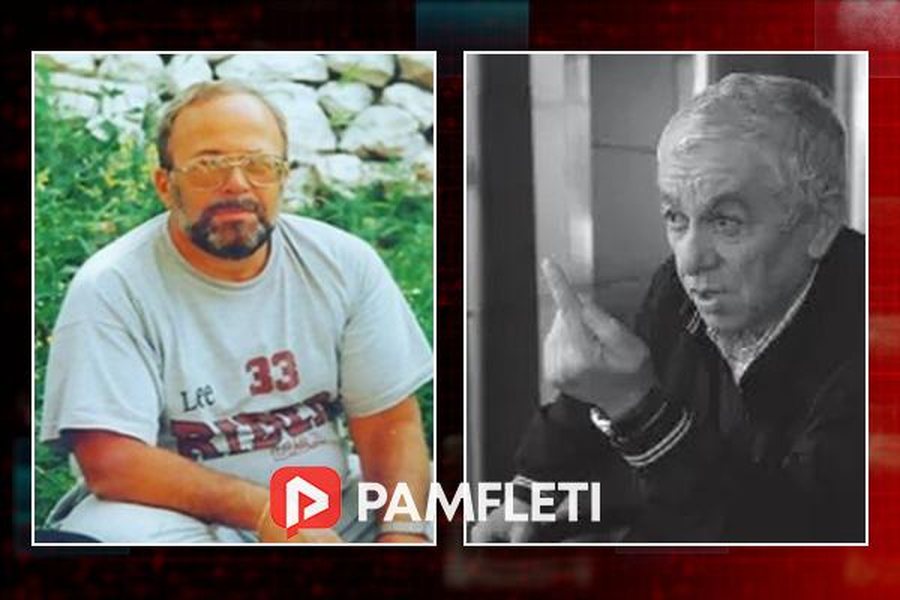
Ylli Dimraj, former commander of the Air Defense, says that the task of attacking the high-security prison from the air was communicated to the Kuçova aviation regiment, but it was not carried out. That day, idiotic superiors secretly sent a plane from Rinas, but thanks to the pilot, the shells only fell on the mountain slopes ...
Part One
The general who led the combat aviation in the terrible spring of '97 has never spoken about what he experienced during those dramatic days. He has listened to the testimonies of others in private and, despite the contradictions to them, has not preferred to intervene to clarify the truth in any way. This has not happened even when they have fabricated events that took place in his office. Convinced that the time distance with the sensational events will at least somewhat suppress such rematches, he has remained silent, waiting for a convenient moment to testify. Ylli Dimraj, the 75-year-old general, has finally decided to speak, even without shyness or complexes. The former military man who during the '97 riots performed the duty of head of the Anti-Aircraft Defense agrees to tell the untold stories of the shocking events from the protagonist's positions, which took place in the center. Contrary to the stigmatization of the former superior, the "inglorious escapee from exile" (this is how he stigmatizes the former Minister of Defense), who evaluates the riots of '97 as "A black file that will never be opened", the general in reserve does not hesitate to shed light on the mysteries of the key moments of those turmoils, focusing in detail on the history of combat orders to suppress anti-government protests by force of arms. In Dimraj's account, the enigma of the call of combat aviation to the theater of operations "against gangs in the South of the country" is revealed, as the only hope to overcome the situation and the chaotic dynamics of operations in the air. The general in release sheds light on unknown data on issues and events that have been debated and rumored for years, providing answers to numerous dilemmas, mainly those regarding the manner of combat response to the unusual situation in that turbulent spring. Who ordered the bombing of the Mifolit Bridge from the air and how was the fatal catastrophe averted? The reasons for the desertion of the two Rinas pilots who escaped with the MIG-15 aircraft to Italy and why their act was considered unparalleled heroism. The truth about the bombing of the city of Tirana with aircraft and missiles in mid-March '97 and the perverse chaos in the political leadership of the army. Was the flow of aircraft flights that were then motivated by the control and surveillance of the state border line with the southern neighbor part of the operations against the anti-government revolts? Under what circumstances was the Kuçova aviation regiment ordered to strike the Bënça prison from the air, where Fatos Nano, the former opposition leader convicted of corruption, was held, and how did the ominous attempt that would bring extraordinary confusion fail? What happened to the Gjadri pilot who attacked Bënçë from the air and how did he end up across the Atlantic after completing the mysterious flight...
Mr. Ylli, you were the commander of the Air Force during the tragic events of 1997, when combat aviation became part of operations against anti-government uprisings. How do you remember the course of those events after so many years?
First, let me clarify that I was not the commander of the Air Force, but the commander of the Air Defense. In 1997, I performed the duty of Deputy Commander of the Air Defense. However, I was directly confronted with the tragic events of 1997, making and implementing decisions and orders that were not easy for a military man. In those terrible confusions, the irresponsibility, myopia and incompetence of some dictating and decision-making rulers put me at the center of developments, even in the undesirable role of their protagonist. Like me, many other colleagues have had to face the most aggressive attacks to do their duty in accordance with the law and the military oath. We have had to courageously oppose flagrantly illegal orders, communicated by sick and careerist statesmen, who could not see their lives outside the seat of power.
What were the criminal orders that were communicated to you and were there any that you objected to?
When I say criminal orders, I do not only mean the influx of those outside the mission and combat duty, but also others that directly endangered the life of the community. There have been quite a few of these. At least four truly illegal orders have been communicated to me. Surprisingly, the fourth was not in writing but by phone. The first was the order to bomb the Mifoli Bridge. Then the one to strike the Kuçova air base from the air, with the claim that the rebels had taken the regiment's pilots hostage and were pressuring them to attack the Presidency in Tirana. The stupidity reached the point where they gave us the order to bomb the Bënça Prison from the air, to avoid the crowds of people, as they said, who were attacking it.
Why was there an order to bomb Bënça Prison?
Of course there was. In fact, the person who gave the order put tremendous pressure on it to be implemented as quickly as possible.
Have you received such an order?
Personally, as one of the main leaders of the Air Defense Forces, no one has communicated directly with me. His story is somewhat mysterious.
So, who received the order to bomb Fatos Nano's cell with aircraft?
The order went directly to the command of the Kuçova regiment. I don't remember the exact date, but it was the end of February or the beginning of March.
Under what circumstances was the Kuçova regiment ordered to bombard Bënça Prison?
It was afternoon when the regiment commander, Agim Matraku, called me and informed me that he had received an order to strike from the air the crowds of people attacking the Bënça Prison. How is that possible, I asked him in surprise, asking for details about the newly assigned task. Right there and then Colonel Matraku, who had difficulty pronouncing words, repeated the order he had received in a straight lecture: “Get in the air with a plane and strike with fire the crowds of people attacking the high-security prison in Bënça in Tepelena! It was clear from his voice that he was terrified, of course it was a very dangerous situation…
Si reaguat pas telefonatës me kolonel Matrakun?
Ajo që më komunikoi kolonel Matraku ishte diçka krejt e papritur. Ato ditë ishim ndeshur edhe herë të tjera me urdhra e detyra konfuze, por në asnjë rrethanë si kjo. Ishte një situatë tejet kritike që nuk të linte kohë të mendoheshe gjatë. Aty për aty mblodha veten dhe bëra një vlerësim të shpejtë mbi atë që po dëgjoja. E para gjë që më bëri përshtypje ishte fakti që urdhri i ishte dhënë me gojë dhe jo me shkrim komandës së regjimentit, duke anashkaluar qëllimisht komandën e aviacionit. Së dyti, kishim të bënim me një urdhër djallëzor, pasi të godisje me zjarr nga avioni turmat e njerëzve pranë Burgut të Bënçës, ishte e pamundur të mos përfshihej nga ky zjarr grupi i të dënuarve që ishte aty, aq më tepër në kushtet e errësirës dhe shpejtësisë së madhe të avionit. Së treti, në burgun e sigurisë së lartë vuanin dënimin shumë persona që ishin dënuar për krime të ndryshme, atëherë pse duhej goditur? Së katërti, Burgu i Bënçës nuk bënte pjesë ne inventarin e ushtrisë, për të cilin detyroheshim t’i mbronim, qoftë edhe me zjarr nga ajri, por varej nga Drejtoria e Përgjithshme e Burgjeve dhe për rrjedhojë sigurohej nga strukturat e këtij institucioni. Mbi bazën e këtij vlerësimi, kolonel Matrakut i thashë të mos kryente asnjë veprim. Madje, për të qenë sa më i qartë, e urdhërova të merrte ditarin e veprimeve luftarake dhe aty të dokumentonte detyrën për të ndaluar në mënyrë kategorike çdo fluturim që ka për objekt sulmin mbi Burgun e Bënçës. “Të ndaloj rreptësishtë të zbatosh çdo urdhër tjetër!”, i thashë me ton të lartë, duke mbyllur telefonin.
Ndërkaq, komandanti i Kuçovës mbeti mes dy zjarreve…
Kolonel Matraku, si komandant trim e i mençur, u tregua dinjitoz dhe nuk u çua atë natë me avion për të goditur mbi Bënçë. Një profesionist si ai, nuk mund të bënte ndryshe. Madje, për urdhrin për të goditur mbi Burgun e Bënçës, mbajti qëndrim dhe e denoncoi me forcë.
Megjithatë, ato ditë qarkullonin zëra se mbi Bënçë është kryer një sulm nga ajri…
Kjo është një tjetër ngjarje, po aq misterioze sa edhe urdhri monstruoz për të sulmuar Burgun e Bënçës me aviacionin e Kuçovës.
Pra, pavarësisht kundërshtimit tuaj, avionët e Kuçovës goditën mbi Bënçë?
Asnjë avion i Kuçovës nuk ka sulmuar Burgun e Bënçës atë ditë. Madje as më vonë nuk ka ndodhur që pilotët e këtij regjimenti të sulmojnë mbi këtë territor. Zërat e dëgjuar ato ditë, por edhe më vonë, i referohen një fluturimi tjetër të kryer atë natë jo nga pilotët e Kuçovës…
Me një fjalë është sulmuar burgu ku qëndronte Nano?
I learned about this event two days later from the report of Colonel Enver Tahos, one of the specialists of the operational branch of the Command, who surprised and shocked me with what he told me. “The night that Colonel Matraku did not take off to strike at Bënçë, he told me, the pilot Lulash Marku took off from Rinas with a fighter jet without the knowledge of the higher command. He headed for Tepelena and launched several air-to-ground missiles at the mountain above Bënçë. On the way back, he did not land in Rinas, but at the Gjadri airport.” From what I verified, it turned out that Colonel Marku, an officer of the Gjadri base, without the knowledge of the aviation command, but by order of the ministry, had re-based that night with the plane from Gjadri to the Rinas regiment. From there he had received orders to fly towards Tepelena and, in order to be “on duty” for the strike, he had launched the missiles not at the prison building, but on the slopes of the mountain above Bënçë. Air-to-ground missiles, during launch, make a lot of noise and flames, which had created panic in the surrounding area. Apparently, the evil commander, when he saw that the Kuçova base objected to the flight over Bënçë, had found another solution, always bypassing our command. The fact remained enigmatic how this mysterious task was entrusted to Colonel Mark. As far as I know, this pilot has long since left and lives across the Atlantic.
The incident you describe is an unconstitutional criminal act. Did you report it as such, or were you content with ignoring the person who gave the order?
In all cases, for a military man, the order of a superior is the law for a subordinate. Those orders that contradict the Constitution are excluded. The order to bomb the Bënçë Prison was one such. That is precisely why I strongly opposed it…
However, after so many years, it is difficult to believe the truth of this story, especially when it has left no trace in the documents of the time...
This is not about urban legends and fabricated stories to make noise. At least for me it is the most shocking event of that dramatic period, but also of the entire military career. Anyone who is interested in more can find it in detail in the official documents. As a protagonist and witness of the event, I would recommend the Combat Actions Diary of the Air Force Command of the Republic of Albania, where it is documented truthfully. The diary in question has the protocol number No. 21, dated 21.01.1997. It has been protocoled and archived according to the relevant regulation in the top-secret secretariat of this command. Likewise, the event is also recorded in the combat actions diary of the Kuçova regiment…/ Pamphlet




Lini një Përgjigje