


 Shkruar nga Pamfleti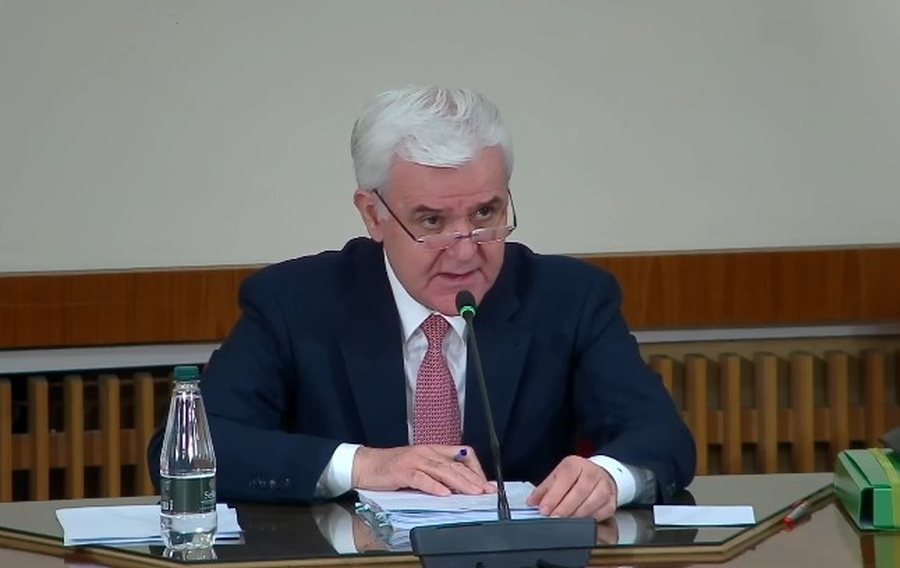
Xhafaj Commission, ready for the draft for the new anti-corruption reform...
At the height of the debates regarding the role of the Special Prosecution, Fatmir Xhafaj has once again appeared on the scene. All of this that is currently happening after the arrest of Erion Veliaj, is suspected to have been a well-thought-out scenario for many months. Rama is using the arrest of the mayor to bring to the end what we have been saying for months: to weaken SPAK.
Ever since the "Xhafaj" commission was established, we have said that it has a different purpose than what is stated, and in recent days it has become clearer that politics will once again interfere with justice with the argument that it needs to be "put back on track."
Fatmir Xhafaj today resumed the meetings of the commission he heads and announced that they already have the draft ready, on the basis of which legal interventions will be based. Today, the committee approved the Analytical Document for Pillar I - 'Good Governance'. Then it will continue with the second pillar "Anti-Corruption" and the third pillar "Rule of Law".
So, the final report will be ready very soon, which will be used as an excuse to once again get their hands on the main laws. The DP has boycotted the commission, but if we look at the reactions of recent weeks, the signals are that we may have an alliance at the expense of SPAK.
Fatmir Xhafaj himself also gave signals that we could have a special commission that would control independent bodies, a scheme announced several times before.
" And in the end there is one thing. Who controls the controller. One problem we have in this mechanism is that we have a number of investigative, controlling structures, but the problem is the aspect of who controls these and where they are accountable and how we can achieve this. This is an issue that needs reflection ," says Xhafaj.
Also, an interesting element emerged in today's committee. It was stated that the plan is to create a parallel structure with SPAK, with the aim of fighting against corruption. The structure will not have criminal effects, but the secret will be in the drafting of laws.
Shouldn't every affair that is discovered in institutions be passed to this structure and then to SPAK? What if this structure were to receive powers to decide who should be investigated and who should not? The final document needs to be seen, but according to what ' Pamphlet ' has provided, there are several versions and also several bodies will be merged, such as the Supreme Audit Office, HIDAA, etc.
The “Xhafaj” Commission Plan (Part of the Document)
Si rrjedhojë, është i nevojshme përmirësimi i efekshmërisë të mekanizmave parandalues kundër korrupsionit duke shmangur mbivendosjet funksionale midis kompetencave të institucioneve/ strukturave të ndryshme dhe parashikimi i mënyrës së bashkëveprimit/bashkëpunimit midis tyre”. Në këtë drejtim, disa organizata të shoqërisë civile propozojnë krijimin e një institucioni të posaçëm të pavarur kundër korrupsionit.
Qendra ALTRI propozon hartimin dhe miratimin e një projektligji për krijimin dhe funksionimin e një institucioni të posaçëm kundër korrupsionit në administratën publike. Institucioni i propozuar duhet të jetë i pavarur nga institucionet qendrore (ministritë), për të shmangur ndikimet politike dhe mbivendosjet me struktura të tjera ligjore. Ai duhet të funksionojë si strukturë unike, duke përfshirë rrjetin e koordinatorëve kundër korrupsionit, të caktuar bazuar në vlerësimet e rrezikut të korrupsionit. Projektligji duhet të përcaktojë përgjegjësi të qarta për këtë institucion dhe rrjetin e koordinatorëve kundër korrupsionit, duke shmangur mbivendosjet dhe duke siguruar mekanizma efektivë bashkëpunimi. Ky institucion duhet të trajtojë ekskluzivisht ankesat dhe denoncimet, duke orientuar qytetarët dhe duke siguruar mbështetje.
Të tjerë paraqesin si alternativë, ristrukturimin ose krijimin e një institucioni të ri të pavarur. Duke përfshirë si mundësi krijimin e një strukture të re nga Kuvendi, me një kryetar ose drejtues të emëruar sipas një mekanizmi të ngjashëm me atë të emërimit të Kryetarit të Kontrollit të Lartë të Shtetit ose Prokurorit të Përgjithshëm. Drejtuesi të raportonte drejtpërdrejt në Kuvend, duke siguruar një nivel më të lartë pavarësie institucionale. Megjithatë ky variant mund të përmbajë edhe rreziqe, si grumbullimi i të gjitha kompetencave në një institucion të vetëm, çka mund të krijojë sfida në balancën e pushteteve dhe efikasitetin e veprimit. Në këtë drejtim, për të garantuar pavarësinë nga ndikimi politik, është sugjeruar të merret në konsideratë modeli i Agjencisë Kombëtare të Integritetit të Rumanisë (ANI), e cila nuk është nën varësinë e Qeverisë dhe as nën kontrollin e drejtpërdrejtë të Parlamentit. Në vend të kësaj, ligjvënësi ka krijuar një Këshill të Integritetit, anëtarët e të cilit emërohen nga Senati Rumun nga grupe të ndryshme, duke përfshirë partitë politike, organizatat joqeveritare, gjyqtarë dhe nëpunës publikë. Këshilli i Integritetit shërben si një ndërmjetës mbrojtës midis Agjencisë dhe Senatit. Ai organizon procesin e përzgjedhjes së Presidentit dhe Zëvendës presidentit të Agjencisë, rishikon raportet vjetore, jep rekomandime dhe miraton strategjinë institucionale. Një aspekt kyç është se drejtimi i Agjencisë mbështetet në auditime të jashtme dhe të pavarura nga kompani private, të cilat identifikojnë gjetje, mangësi dhe rekomandime që pasqyrohen në çdo raport vjetor për të udhëhequr veprimtarinë dhe përmirësimet e Agjencisë.
Another alternative discussed is the restructuring of one of the existing institutions, giving it powers for administrative supervision and investigation, which would ensure the centralization of institutional interaction and real-time data exchange. This could be achieved by grouping structures with similar functions into a single structure, guaranteeing full institutional independence and expanding the scope of action. A similar model is the Bureau for the Prevention and Combating of Corruption in Latvia63, which has powers shared by several institutions involved in the fight against corruption and conflict of interest.
Meanwhile, another alternative that could be considered is the strengthening and expansion of the competencies of existing bodies, whether independent or dependent on the executive. This includes improving and expanding the competencies of the ILKDPI and the DPAK, in order to
to include competencies currently distributed between anti-corruption directorates in different institutions. It is important that these solutions maintain several principles, such as non-overlapping of competencies and responsibilities, the involvement of local government, maintaining independence in administrative investigations, and strengthening human capacities to prevent and administratively investigate cases of corruption and conflict of interest. / Pamphlet







Lini një Përgjigje