


 Shkruar nga Zdravko Veljanov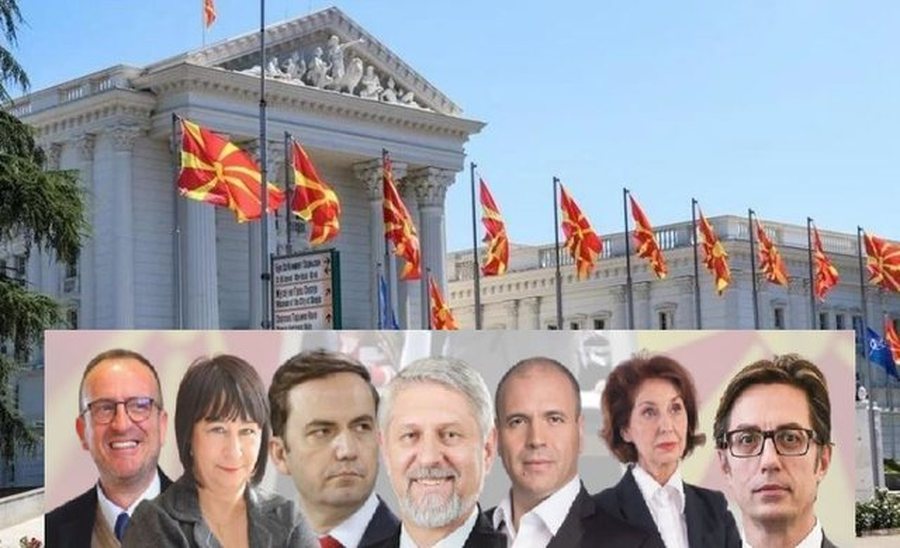
As the presidential candidates' campaigns draw to a close, citizens have before them a long list of candidates to choose from, whose political positions span from the extreme left to the extreme right...
It seems that this year's presidential elections in North Macedonia may be the most contested in the history of recent years. This, as the parliamentary elections that will be held in 2 weeks, offer different programs and increase the competitiveness between the parties in the race.
As the presidential candidates' campaigns draw to a close, citizens have before them a long list of candidates to choose from, whose political positions run from the extreme left to the extreme right. Given the party support for these candidates, this year's dual elections are becoming particularly challenging for the main centrist parties. They are faced with the dilemma of how to approach and dialogue with different challengers. Although initial polls predict a victory for the center-right VMRO-DPMNE.
But whether or not she can form a government or whether her presidential candidate can attract a larger number of votes in the second round may depend on her ability to compromise on key issues, some of which are in fact decisive for her electoral success and popularity among her supporter base.
From this pre-election period, 2 main trends can be observed: divisive and polarizing rhetoric from the presidential candidates, as well as the difficulty for the preliminary negotiation of possible electoral coalitions. Challengers within the Macedonian and Albanian political blocs will try to sabotage the ruling coalition in an attempt to further diversify the next parliament.
However, before election day, we can observe and analyze what is offered in written form, ie through party programs and social media. By taking stock of the previous electoral processes and the programmatic offers of the parties, we can create a concise idea of the rhetorical course of the parties that are in the competition.
To explore the positions of the parties, we today benefit from several computational methods, such as automated text analysis, including text mining and social media data analysis. The analysis is based on all documents that are available from 2010 to 2021, and focuses only on political parties that have published their programs in the Macedonian language.
Analiza përjashton partitë, programet e të cilave janë jashtëzakonisht të shkurtra, apo programet e partive që nuk janë publikuar në një format të lexueshëm nga programi. Për më tepër, kemi vërtetuar manualisht kohëzgjatjen e programit të partisë, dhe kemi inspektuar shpeshtësinë e termave që mund të nxisin pozicionin e partive.
Analiza bazohet në metodat e mbikëqyrura për shkallëzimin ideologjik. Metoda mbështetet tek burimet e jashtme për të vlerësuar pikavarazhin përfundimtar. Për këtë qëllim, ne jemi mbështetur në rezultatet e pozicionimit ideologjik të Sondazhit të Ekspertëve të Chapel Hill, të cilat ofrojnë vetëm rezultate të përkohshme.
Në hapin e dytë të analizës sonë, modeli ynë shënon secilën fjalë individuale nga teksti dhe për ta vendosur atë në të dyja dimensionet. Ne i pozicionojmë partitë në shkallën ideologjike majtas-djathtas dhe GAL-TAN. Për shembull, terma si sociale, shëndetësi, reduktim ose integrim do të tërheqin pozicionin e programit të partisë drejt së majtës, ndërsa fjalëve të tilla si buxhet, projekt ose zhvillim do t’i jepet më shumë peshë drejt së djathtës.
Çuditërisht gjetëm shumë pak ndryshime ndërmjet partive politike kur bëhet fjalë për pozicionimin e tyre majtas-djathtas. Pra përveç 2 partive, Leica dhe Integra, në vitin 2020 shumica e partive të tjera janë grumbulluar në mes. Çuditërisht, Levica kishte programin më të majtë, ndërsa fushata e Integra pasqyronte statusin e saj si një forcë e ekstremit të djathtë. Gjatë zgjedhjeve të fundit parlamentare, pati një zhvendosje të konsiderueshme të LSDM-së dhe VMRO-DPMNE-së në drejtime të ndryshme. Përderisa programi i LSDM-së u zhvendos më në të majtë në krahasim me të gjitha programet e mëparshme, ai i VMRO-DPMNE-së lëvizi më shumë në të djathtë.
Së dyti, ne analizuam pozicionimin e partive në boshtin tradicionalist-integrues, GAL-TAN. Dhe vumë re se shumica e partive gjatë gjithë periudhës së analizës, janë pak më të anuar djathtas, dhe drejt spektrit tradicionalist. Në mënyrë të veçantë bien në sy pozicionet e Levica-s dhe Integrës, të cilat tashmë janë afër njëra-tjetrës.
Një qëndrim i tillë i Levica-s është rezultat i gjuhës tejet agresive që përdori kjo parti në fushatën e vitit 2020, e cila u fokusua në “Marrëveshjen e Prespës” dhe fushatën e saj për një pozicionim më të larmishëm të vendit përballë Perëndimit, në atë që pretendon të jetë një botë shumë-polare.
Programi partiak i LSDM-së për vitin 2020, mbështetej tek ideja e anëtarësimit të vendit në BE, e cila reflektohet edhe në pozicionimin e saj në shkallën GAL-TAN. Po ashtu vëmë re një zhvendosje margjinale në programin e atij viti të VMRO-DPMNE-së më shumë drejt të djathtës.
Në zgjedhjet e 4 viteve më parë vumë re tendenca më të larmishme përgjatë spektrit ideologjik. Së fundmi, aktiviteti në Twitter i dy kandidatëve kryesorë të dy partive më të mëdha politike, tregon se këto parti priren ta moderojnë retorikën e tyre në rrjetet sociale në krahasim me programet e partive.
We saw a shift of almost 1 point of VMRO-DPMNE's position towards the center. Even SDSM moves towards the center, thus having more rhetoric compared to its program. However, it is important to note that these changes are in the opposite direction.
Disappointment with the process of integration into the European Union in recent years and still unresolved bilateral disputes that continue to hinder progress seem to be pushing the parties more towards the traditionalist axis, even during these elections.
Although the EU integration process will continue to be the main point of the parties' agendas, the bitter dispute with Bulgaria, and the country's position in the global arena are also defining issues. When talking about left-right divisions, the declining standard of living for citizens, rising inflation, added to the many ongoing health policy challenges and rampant corruption, are at the top of the keywords identified in this analysis. Therefore, while the elections are near, citizens should expect an extremely diverse offer, both in the left-right ideological spectrum as well as the integrative and traditionalist one./ Adapted Pamphlet from "European Western Balkans"


Lini një Përgjigje