


 Shkruar nga Emin Azemi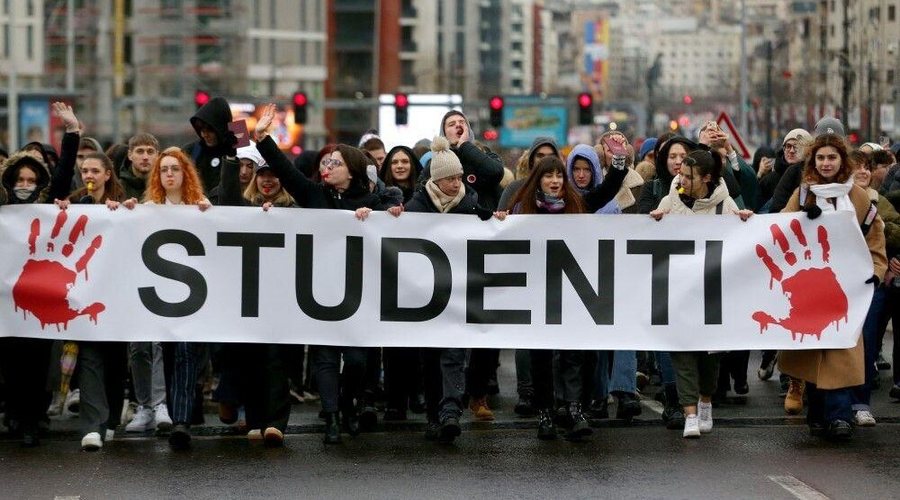
The students' "Memorandum on Kosovo" functions as a political gift to the current government, transforming Vučić, in the eyes of the West, into the only factor that can keep Serbian nationalism in check. For Kosovo, this situation is a wake-up call. It shows that Serbia's hostility to Kosovo's statehood will not end with Aleksandar Vučić's departure from power. On the contrary, the structure that is coming after him may be even more ideological and less democratic.
The document called “Memorandum on Kosovo and Metohija” was adopted on Saturday, May 16, 2026 by the Serbian student organization “Students in the Blockade” (Students were Blocked), which has led protests and university blockades in Serbia. This memorandum was officially presented a day later in the city of Kragujevac and was structured in four main points, expressing the official position of this student group.
The document emphasizes that Kosovo is “an inalienable and integral part of the Republic of Serbia”. The students declare that this position is not only a constitutional category, but a “historical and moral imperative that cannot be the subject of negotiations”.
The preservation of the Serbian constitutional order in the territory of Kosovo is considered “the foundation of the survival of the Serbian state” and as a “guarantee for a just peace in the region”.
The text emphasizes that Kosovo does not simply represent a territory, but is an essential component of the Serbian national, historical and cultural identity. As spiritual and cultural symbols, the Orthodox religious monuments in Prizren, Peja, Banjska and Gracanica are specifically mentioned.
The students acknowledge that the Kosovo issue cannot be resolved in isolation. They emphasize that Serbia should actively cooperate with international organizations as partners, but any sustainable solution must remain strictly "within the framework of the Constitution of Serbia" and international law.
The document treats the connection with Kosovo not simply as a matter of possessing a passport, but as part of collective memory, where every citizen has a duty to contribute to the preservation of this heritage. The selection of Kragujevac for the publication of the document was made intentionally, considering it as "the first capital of modern Serbia and the center of Serbian state-building thought".
The publication of this document comes as a preparation for a large rally announced by these students on Slavija Square in Belgrade.
While historically in Europe student movements have been the engine of progressive and liberal ideas, the case of the organization "Students in the Blockade" (The Student was Blocked) and the "Memorandum for Kosovo" shows a different reality.
Today's students in Serbia were born after the wars of the 1990s. They have grown up in an education system and media narrative that presents Serbia exclusively as a historical victim and that does not confront the crimes of the past.
In order to gain wider popular support in a largely conservative society, student movements (even those that start out as pro-democratic or anti-government) often use the card of nationalism and Kosovo to avoid being labeled as "traitors" by the state machinery.
The vast majority of the opposition in Serbia shares the same rigid stance towards Kosovo. Consequently, young people do not see any other political model than the one that preserves the narrative of "Kosovo as the cradle of Serbia".
There is a great paradox in the question of whether there can be true democracy with such a mindset. It is possible that Serbia will undergo internal democratic changes (such as the rule of law, the fight against corruption and freedom of the media), but these changes will not automatically translate into a peaceful or liberal foreign policy.
If the future political and academic leaders are the authors of this memorandum, reforms in Serbia
will remain superficial. A society that does not accept geopolitical reality and is based on medieval religious myths, it is impossible to sincerely integrate into the family of European values.
A change of power without a change of mindset would simply replace an autocratic elite (like the current one) with a new elite, whose power is again based on exclusive nationalism.
The publication of such documents by the new Serbian intellectual elite has direct long-term consequences, especially in Kosovo-Serbia relations. Consequently, there will be no political will in Belgrade for mutual recognition, despite international pressure. Any agreement reached in Brussels or Ohrid will be considered "anti-constitutional" by these new leaders, making their implementation impossible. The rhetoric that Kosovo is a "moral imperative that cannot be a subject of negotiations" keeps open the possibility of new tensions and conflicts in northern Kosovo. This kind of nationalism from Belgrade will only increase the pressure on local Serbs in Kosovo not to integrate into the institutions of the Republic of Kosovo.
In the long term, this memorandum proves that the main barrier to normalizing relations is not only the will of the current politicians in power, but a deeper structural and cultural problem within Serbian society that is being successfully passed on to new generations.
Eurodeputetët dhe diplomatët e BE-së shprehin në mënyrë të tërthortë shqetësim se lëvizjet që nisin si kryengritje qytetare kundër korrupsionit në Serbi, po rrëshqasin drejt popullizmit dhe retorikës së viteve të 90-ta.
Kur studentët dhe elita e re intelektuale nxjerrin memorandume ku Kosova cilësohet si "imperativ moral i panegociueshëm" , Vuçiqi u duket diplomatëve perëndimorë si një lider më pragmatik dhe i arsyeshëm.
Vuçiqi mund të përdor këtë situatë për t'u shitur tek ndërmjetësit e BE-së dhe SHBA-së si një figurë "konstruktive" e cila po mbron stabilitetin rajonal përballë një vale të re të nacionalizmit të pakontrolluar të rinjve serbë.
Sa herë që ndërkombëtarët kërkojnë zbatimin e pikave të vështira të Marrëveshjes së Ohrit, Vuçiqi mund të tregojë me gisht nga studentët dhe universitetet në bllokadë. Mesazhi i tij bëhet i qartë: "Nëse më bëni shumë presion dhe unë bie nga pushteti, në vendin tim do të vijnë këta të rinj ultranacionalistë që do të bllokojnë çdo proces paqeje." Kjo bën që BE-ja të ulë presionin mbi Beogradin për të mos destabilizuar Serbinë.
Duke e zhvendosur fokusin e protestave nga korrupsioni, vjedhja e votave apo sundimi i ligjit tek çështja e Kosovës, studentët kanë hyrë në terrenin ku Vuçiqi dominon mediatikisht.
Për aq kohë sa opozita dhe lëvizjet rinore në Serbi garojnë me Vuçiqin se kush është "më patriot" për Kosovën, Perëndimi e ka të vështirë t'i mbështesë ata si alternativë demokratike, pasi askush në Bruksel nuk dëshiron një qeveri të re në Beograd që është hapur kundër marrëveshjeve ndërkombëtare.
Në këtë mënyrë, "Memorandumi për Kosovën" i studentëve funksionon si një dhuratë politike për pushtetin aktual, duke e shndërruar Vuçiqin – në sytë e Perëndimit – në të vetmin faktor që mund të mbajë nën kontroll nacionalizmin serb.
Mediat shtetërore dhe tabloidët pro-qeveritarë në Serbi (si Informer, Kurir, Alo dhe televizioni Pink)po përdorin një strategji të dyfishtë dhe mjaft manipulative për ta pasqyruar këtë memorandum dhe protestat studentore. Qëllimi kryesor është mbrojtja e regjimit të Aleksandar Vuçiqit dhe zhvlerësimi i çdo kritike të brendshme. Sipas këtyre mediave, këto lëvizje financohen nga organizatat e huaja me qëllim të, gjoja, destabilizimit të Serbisë dhe rrëzimit të Vuçiqit përmes një "revolucioni me ngjyra". Ato e përdorin memorandumin për të ndërtuar kultin e Vuçiqit si "mbrojtësi i vetëm i vetmuar i Serbisë." Narrativa që krijohet është kjo: Nga njëra anë, Vuçiqi ka presionin e madh të Perëndimit për ta njohur Kosovën, ndërsa nga ana tjetër ka presionin e brendshëm të studentëve radikalë që duan luftë. Kjo e pozicionon Presidentin serb si të vetmin lider të matur e racional në mes të dy zjarreve.
Pas publikimit të këtij dokumenti, Kosova duhet të ndjekë një strategji të matur diplomatike dhe të sigurisë, duke mos rënë në grackën e provokimeve, por duke e përdorur këtë situatë për të forcuar pozicionin e saj ndërkombëtar.
Kosova duhet t'u faktojë partnerëve perëndimorë (SHBA dhe BE) se ky memorandum është produkt i sistemit arsimor dhe propagandës shtetërore serbe. Uashingtonit dhe Brukselit duhet t'u bëhet e qartë se Serbia po rrit breza të rinj me mendësi millosheviqiane të viteve të 90-ta.
Në anën tjetër, diplomacia e Kosovës duhet të argumentojë se Vuçiqi nuk është "viktimë" e presionit të brendshëm, por arkitekti i këtij nacionalizmi që tani po përdoret si alibi për të mos zbatuar marrëveshjet me Kosovën.
Meqenëse dokumenti përmend manastiret si Banjska, institucionet e sigurisë së Kosovës (AKI, Policia) duhet të rrisin gatishmërinë për të parandaluar çdo tentativë për ekskursione apo provokime të organizuara nga grupe studentore apo ekstremiste serbe në veri. Kosova duhet të koordinojë çdo hap të sigurisë me KFOR-in dhe EULEX-in, duke dëshmuar se është palë e përgjegjëgjshme që ruan stabilitetin, ndërsa lëvizjet në Serbi promovojnë ndryshimin e kufijve me dhunë.
"Memorandumi" dëshmon se pretendimet territoriale të Serbisë ndaj Kosovës nuk janë thjesht politikë e përkohshme e Vuçiqit, por një mendësi e rrënjosur te brezi i ri. Kosova mund të argumentojë se pa hyrjen e saj në NATO (përmes Partneritetit për Paqe fillimisht), rajoni mbetet i ekspozuar ndaj një konflikti të ri në të ardhmen.
Kosova mund t'u drejtohet Spanjës, Greqisë, Rumanisë dhe Sllovakisë me argumentin se duke mos e njohur Kosovën, ato pa dashje po ushqejnë nacionalizmin dhe destabilizimin serb që synon ndryshimin e kufijve në Ballkan. Ky memorandum mbase tregon se investimet miliardëshe të BE-së në Serbi nuk kanë sjellë emancipim shoqëror, andaj BE-ja duhet ta shpërblejë Kosovën me hapa konkretë integrues për konstruktivitetin e saj.
Sidoqoftë, kjo atmosferë dominuese në shoqërinë serbe është nga aspektet më brengosëse të realitetit aktual gjeopolitik në Ballkan, pasi përmbys një nga rregullat universale të sociologjisë politike: atë që rinia akademike supozohet të jetë avangarda e progresit, tolerancës dhe ndryshimit demokratik.
Kur kontaminuesit kryesorë të opinionit bëhen studentët, kjo tregon për disa rreziqe dhe simptoma të thella shoqërore. Ky fenomen dëshmon se shoqëria serbe ka dështuar të bëjë katarsisin (pastrimin) shpirtëror dhe politik pas luftërave të viteve të 90-ta. Rinia studentore e sotme është produkt i pastër i një sistemi arsimor që ka përshkruar mitet mesjetare. Për ta, krimet e kryera në Kosovë nuk ekzistojnë ose relativizohen, ndërsa humbja e kontrollit mbi Kosovën përjetohet si një "pajisje e padrejtë" historike që duhet korrigjuar.
Various independent polls in Serbia (such as those by the CRTA or KOMS organizations) regularly show a worrying trend: generations born after 2000 often display more rigid, nationalistic, and anti-Western attitudes than their parents. They have not experienced the isolation, sanctions, or bombings of 1999, so they idealize nationalism as a form of rebellion against the current system or the West.
When this mindset comes from students of the Faculty of Law, Philosophy or Politics in Belgrade and Kragujevac, it means that it is being coded in scientific and academic terms. These young people tomorrow will be: Judges and prosecutors who will interpret the laws, professors who will educate future generations, diplomats who will represent Serbia in the world.
For Kosovo, this situation is a wake-up call. It shows that Serbia's hostility to Kosovo's statehood will not end with the removal of Aleksandar Vučić from power. On the contrary, the structure that is coming after him may be even more ideological and less democratic.
This contaminated atmosphere confirms that Kosovo must build its security and future based on internal military and economic empowerment and strong alliances with the West, without expecting rapid or sincere democratization from its northern neighbor./ Pamphlet



Lini një Përgjigje