


 Shkruar nga Pamfleti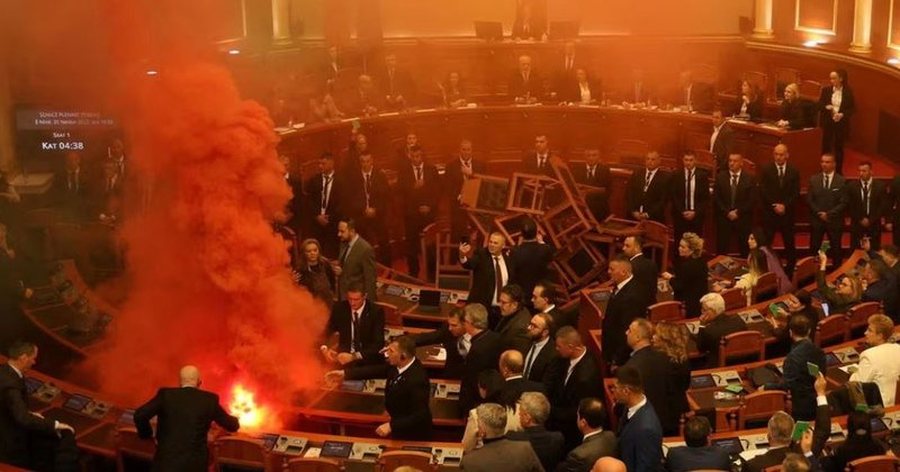
The parliament hall is the place where decisions are made for the citizens. The laws approved by the deputies directly impact the lives of Albanians, acts which one side of the hall sees as improving the quality of life and the other as another attempt to abuse their taxes.
The Assembly performs two primary functions during its mandate. The first is the legislative process which has to do with the adoption of normative acts, otherwise known as state laws, and the second is the control of other powers such as the supreme power that originates from the vote of the citizens.
The Assembly in a calendar year approves an average of about 60 laws, which in most cases are changes to the acts that are in force. Laws that are approved are subject to a parliamentary procedure that begins with discussions in the Assembly's committees. Then it goes to vote in the plenary session.
This whole period of time requires on average about 1 month where the deputies express their positions on the initiatives that, in most cases, go to the Assembly as a proposal of the Council of Ministers. The division between the majority and the opposition is reflected in the attitudes that the parties give to the initiatives in question, where in most cases it results that the word "theft" or "robbery" is the main word in 20 parliamentary speeches. These discussions, which look more like materials that should be recorded at the secretariat of the Special Anti-Corruption Prosecutor's Office, have in some cases degenerated into banal insults.
But these laws approved by the Assembly have not in all cases been in accordance with the interests of the citizens. This is due to the fact that since the restoration of the functionality of the Constitutional Court, in 13 cases laws have been found that violate the constitution, the fundamental act of the state. Faced with these data, the question arises as to whether the acts approved in the Assembly are in the interest of the citizens.
In addition to these laws, during 2022 the deputies also changed the Constitution of the Republic of Albania. The basic act of the state was amended at the request of internationals to extend the term of action of the two vetting commissions for judges and prosecutors. Arriving at this point to join the votes of the democrats with those of the socialists who were signatories of the initiative, seems to have been behind a small political compromise.
Despite the bluster at the start of 2022, the polls showed otherwise.
But getting to this point had a strong international push which seems to have given guarantees to the opposition for two of its initiatives that would invest the assembly in two major legal and constitutional initiatives. We are talking about the special commissions for the administrative territorial division and the electoral reform, two initiatives persistently requested by the opposition, but which at the start raised big questions about their seriousness.
Këto dy komisione u ngritën në mesin e muaj shkurt, por nuk mundën të bëheshin funksional për shkak se hallet politike brenda opozitës prevaluan mbi qëllimet e tyre politike, një ndarje të re territoriale dhe një reformim të kodit zgjedhor nëpërmjet të cilit pretendonin se do të parandalonin masakrat e ardhshme zgjedhore.
Kësisoj dy reformat e mëdha që u kërkuan me ngulm dolën në planë të dytë për shkak se aktualiteti politik diktonte një tjetër axhendë për parlamentin. Kështu që u desh të vinte muaji qershor që dy komisionet të konstatoheshin dhe të nisnin veprimtarinë e tyre.
Me rendimet më të lartë rezultoi të ishte komisioni i posaçëm parlamentar për reformën territoriale i cili në dy muajt e verës zhvilloi 11 mbledhje. Por hovin për ndonjë ndryshim të mundshëm të ndarjes territoriale ia shujtën shpejt socialistët pa votat e të cilëve në Kuvend nuk miratohet asgjë. Kjo deklaratë e kryetarit të grupit parlamentar socialist i preu filmin demokratëve të Enkelejd Alibeajt të cilët kishin bashkë-drejtimin e komisionit.
Këto deklarata ishin të një pas njëshme ku mesa duket, socialistët menduan t’i plotësonin edhe një dëshirë të fundit opozitës, zgjatjen e afatit të komisionit për të përmbyllur misionin e demokratëve.
Pavarësisht zgjatjes, seancave të gjata dëgjimore dhe diskutimeve palëve, në finale Kuvendi nuk arriti të miratonte një reformë të madhe për vitin 2022 duke dështuar me këtë nismë. Një arsye drejtë këtij rezultati mund të ketë qenë edhe ndarja e opozitës. Përçarja se kush ka de jure apo de facto çelësat e selisë së PD-së bëri që në Kuvend të depozitoheshin dy nisma ligjore për të ndryshuar ndarjen territoriale të vendit. Berisha me të tijët, ndonëse ishin përjashtuar nga komisioni i posaçëm, depozituan në protokollin e Kuvendit nismën e tyre, gjë të njëjtë edhe ata të Alibeajt.
A2 CNN kërkoi nga Kuvendi i Shqipërisë shumën e parave që janë paguar për deputetët e komisionit të posaçëm parlamentar për reformën territoriale nga ku rezulton se më shumë se gjysmë milionë lekë kanë shkuar dieta e honorarë. Tek kjo shumë parash nuk llogaritet as një udhëtim i minutës së fundit përpara votimit në parlament të disa deputetëve në Kroaci si vizitë studimore në kuadër të funksionimit të ndarjes territoriale në shtetin ballkanik.
Nëse komisioni për reformën territoriale zhvilloi brenda veprimtarisë së tij 21 mbledhje me orë të gjata diskutimesh, diçka krejt tjetër ka ndodhur me Komisionin për reformën zgjedhor. Vendi ku diskutohen rregullat e lojës në zgjedhje ka zhvilluar në total më pak mbledhje se gishtat e njërës dorë.
Ndarja e opozitës u reflektua edhe më shumë në Komisionin e Posaçëm për Reformën Zgjedhore. Deputetët e opozitës vijojnë të kenë hije dyshimi ndaj njëri tjetrit, sidomos grupimi i Berishës dhe opozitarët e vegjël se mos Alibeaj me PS-në bëjnë një marrëveshje të fshehtë në librin e rregullave zgjedhore.
But unlike the first commission, the electoral reform continues to have a mandate, but has not yet approved any legal initiative or to send it to the plenary session for approval, practically leaving the changes for the May 14 elections out of the game.
But if the year 2023 saw big changes, what can we expect from the Assembly for the year 2024, since the legislative activity is now even more under the lens of Brussels?
The Assembly hall that has seen many acts inside it, heard many speeches on behalf of the citizens will face the next political battle. The approach of local elections on May 14 will witness the next tension between three parties, with two separate oppositions and a super solid majority in votes./a2cnn


Lini një Përgjigje