


 Shkruar nga Pamfleti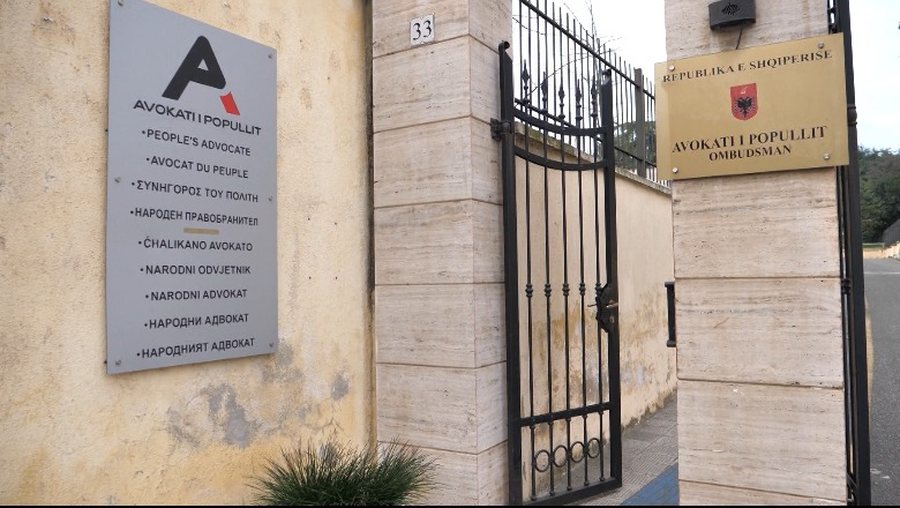
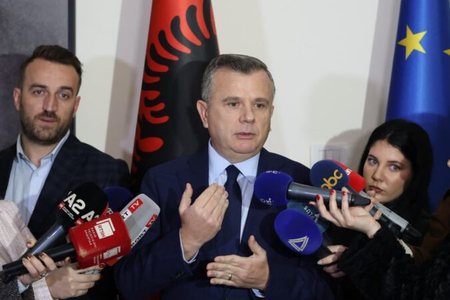
The Parliamentary Group of the Democratic Party has sent an official request to the Speaker of the Assembly Niko Peleshi for the new formula for electing the People's Advocate. In the letter signed by Gazment Bardhi, the opposition refers to the European Commission's Progress Report, which highlights the serious politicization of appointments to independent institutions. Bardhi has also informed the parliamentary groups and the Diplomatic Corps about the opposition's proposal.
The DP demands that the Assembly follow an open process, with real cooperation between the majority and the minority. Bardhi has emphasized that any appointment to independent constitutional bodies must be based on meritocracy and avoid practices of appointing figures who serve the political interests of the next. The opposition demands that the rules of the process be published and made known to candidates and citizens.
The Democrats have presented a detailed cooperation formula that divides responsibilities between the parliamentary majority and minority. For cases where a qualified majority is required, such as the election of the Ombudsman, the minority proposes up to 6 candidates, the majority selects 3 of them and the opposition selects 1 for voting. The Assembly approves the candidate by consensus. For cases where a simple majority is required, the procedure is the same, but with the roles reversed, where the majority initiates the proposals and the minority filters the list.
At the end of the request, the DP declares that the opposition does not participate in any other process without clear rules and guarantees for the independence of the institutions. Bardhi has hinted that the DP parliamentary group no longer accepts unilateral decisions of the majority and that citizens' trust in independent institutions depends on the way the Assembly manages these appointments.
Specifically, the DP parliamentary group has proposed this formula for interaction between parliamentary groups:
For the appointment/election of independent constitutional or legally established bodies, for which a qualified majority is required (of 3/5 of the members of the Assembly - in the case of the Ombudsman), the process should be structured according to this formula:
a) The Parliamentary Group representing the parliamentary minority proposes up to 6 (six) candidates selected by it, from the list of candidates who, according to the Parliamentary Committees, meet the requirements set out in the Constitution/Law.
b) The Parliamentary Group representing the parliamentary majority shall select from the list proposed under letter "a" above 3 (three) candidates acceptable to it for voting.
c) The Parliamentary Group representing the parliamentary minority, from the list selected according to letter “b” above, proposes 1 (one) candidate for appointment/election.
d) The plenary session votes by consensus among all parliamentary groups on the candidate selected according to letter "c" above.
For the appointment/election of independent constitutional or legally established bodies, for which a majority of the members of the Assembly is required, the process should be structured according to this formula:
a) The Parliamentary Group representing the parliamentary majority proposes up to 6 (six) candidates selected by it, from the list of candidates who, according to the Parliamentary Committees, meet the requirements set out in the Constitution/Law.
b) The Parliamentary Group representing the parliamentary minority shall select from the list proposed under letter "a" above 3 (three) candidates acceptable to it for voting.
c) The Parliamentary Group representing the parliamentary majority, from the list selected according to letter “b” above, proposes 1 (one) candidate for appointment/election.
d) The plenary session votes by consensus among all parliamentary groups on the candidate selected according to letter "c" above.




Lini një Përgjigje