


 Shkruar nga Israel Kasnett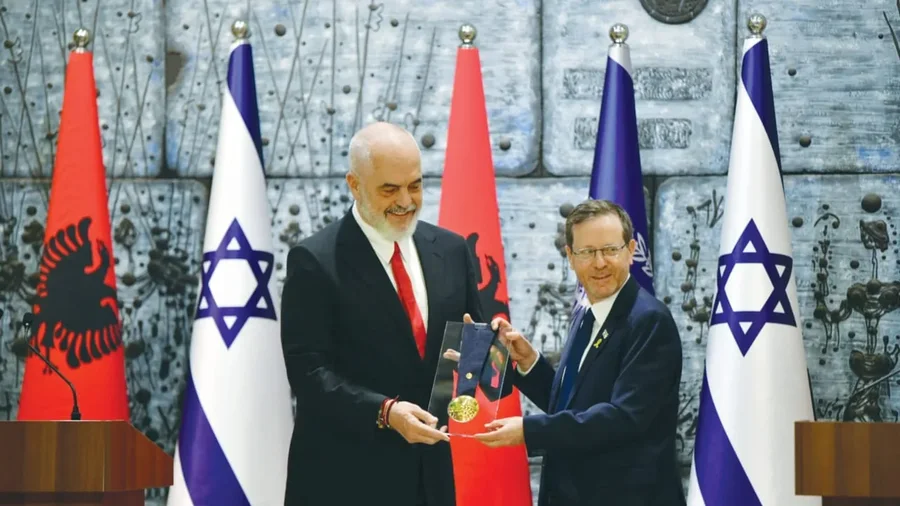
Prime Minister Rama's relationship with the US administration of President Donald Trump has been described as complicated, with Trump's anti-EU rhetoric casting a shadow over Albania's electoral landscape and integration efforts. For Israeli institutional investors who prioritize long-term stability, such instability raises red flags...
For most Israelis, Albania remains almost hidden between Greece and Italy, two popular vacation and business destinations. But few Israelis realize that Albania has more to offer than its perceived status as a backward country.
Albania and Israel share a bond forged during the Holocaust, as the Southeast European country was one of the few Nazi-occupied countries where the Jewish population not only survived but grew, thanks to the extraordinary courage of its predominantly Muslim citizens, who sheltered Jews at great personal risk. Many Albanians sheltered thousands of Jews, saving them from Nazi persecution. This moral legacy has cultivated goodwill in Israel, where Albania is remembered as a beacon of humanity amidst the darkness.
Since Albania opened its Embassy in Tel Aviv in 1988 and Israel inaugurated its embassy in Tirana in August 2012, bilateral relations have grown and cooperation has deepened, particularly in the areas of economy, culture, agriculture, and cybersecurity.
Albania is a strategic ally and has strongly condemned Hamas, while fostering strong security ties with Israel, including cooperation between Albanian forces and Israeli defense giant Elbit Systems.
Albania's economic potential
On paper, the economic potential is immense. Direct flights connect Tel Aviv to Tirana, Albania boasts a stunning Mediterranean coastline, and the government led by Edi Rama projects a pro-business, innovation-friendly image.
Israeli investors, known for their appetite for emerging markets, should flock to Albania. However, the reality is quite different: investment flows remain modest, blocked not by cultural barriers but by deep structural issues. Israeli capital is hesitant, wary of Albania’s institutional fragility and rule of law deficits.
Nga perspektiva e investitorit izraelit, ky është "Paradoksi i Sigurisë". Izraelitët nuk janë të panjohur me rrezikun, ndërsa lulëzojnë në mjedise komplekse nga Afrika në Azi, por ata këmbëngulin në parashikueshmërinë ligjore. Shqipëria ofron siguri fizike për hebrenjtë që kërkojnë biznes ose kënaqësi, me praktikisht zero antisemitizëm, një kontrast i freskët me kërcënimet në rritje në Evropën Perëndimore.
Megjithatë, peizazhi i biznesit duket i pasigurt nga ana ligjore. Rrjetet e vazhdueshme kriminale dhe institucionet e dobëta gjyqësore i bëjnë asetet të cënueshme. Projektet e mëdha po ndalen për shkak të frikës se kontratat mund të shpërbëhen në një sistem të rrënuar nga paparashikueshmëria.
Ky hezitim amplifikohet nga konteksti më i gjerë gjeopolitik në Ballkan. Procesi i pranimit të Shqipërisë në BE po ecën përpara ngadalë, por politika e brendshme shton shtresa pasigurie. Marrëdhënia e Kryeministrit Rama me administratën amerikane të Presidentit Donald Trump është përshkruar si e ndërlikuar, me retorikën anti-BE të Trump që ngre hije mbi peizazhin zgjedhor të Shqipërisë dhe përpjekjet e integrimit. Për investitorët institucionalë izraelitë që i japin përparësi stabilitetit afatgjatë, një paqëndrueshmëri e tillë ngre flamuj të kuq.
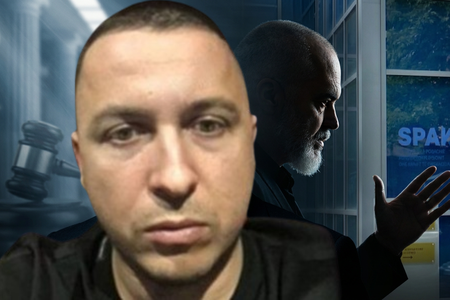
Në qendër të kësaj krize janë problemet e sundimit të ligjit në Shqipëri, të mishëruara nga normat alarmante të paraburgimit. Një shifër marramendëse, rreth 62% e të burgosurve janë në paraburgim, më e larta në Evropë, duke nxjerrë në pah një sistem të mbështetur në burgosje të zgjatur pa dënim. Struktura Speciale Kundër Korrupsionit dhe Krimit të Organizuar (SPAK), e cila synon të çrrënjosë korrupsionin, përballet me akuza për tejkalim të kompetencave gjyqësore, duke u shndërruar në një mjet për manovrim politik. Për investitorët e huaj, kjo gërryen besimin: një kuadër ligjor që shpërfill procesin e rregullt ligjor minon vetë themelet e marrëveshjeve të sigurta të biznesit.
Si ndikon pasiguria
Kjo nuk është abstrakte. Kini parasysh Ilir Metën, ish-presidentin që vizitoi Izraelin në janar 2020. Ai i përqafoi ngrohtësisht ekipet e shpëtimit të IDF që ndihmuan vendin e tij pas tërmetit shkatërrues të vitit 2019, duke u dhënë atyre "Medaljen e Artë të Shqiponjës" prestigjioze në shenjë mirënjohjeje. Kredencialet pro-Izraelit të Metës janë të patëmetë, të rrënjosura në lidhjet historike të forcuara nga deklaratat e miqësisë midis Ramës dhe Kryeministrit Benjamin Netanyahu në vitin 2015.
Megjithatë, sot, ai ndodhet në paraburgim, një viktimë e vetë sistemit që synon të sigurojë drejtësi.
The paralysis extends to Tirana’s visionary mayor, Erion Veliaj, the architect of the Albania-Israel urban synergy. Veliaj explicitly modeled Tirana’s revival on Tel Aviv, calling it “the Tel Aviv of the Balkans,” a hub of innovation, youth culture, and technology-driven growth. He forged a bond with Tel Aviv’s mayor, Ron Huldai, whom he calls a mentor, meeting with him several times to exchange ideas on urban transformation.
Veliaj’s vision went further: he invited Israeli companies to the Tirana Economic Development Zone (TEDA), Albania’s first Free Economic Zone in Kashar. Positioned as a tax-free haven for technology, automotive and digital firms, TEDA offers VAT exemptions and simplified customs to bypass bureaucracy. During the “Tirana-Tel Aviv Technology Week,” Veliaj called on Israeli startups to set up regional headquarters there, promising a seamless gateway to Europe.
But since December, that vision has been frozen. Veliaj has been in detention for several months, starting in February 2025, amid charges that critics call political persecution. Although Albania’s Constitutional Court overturned his dismissal in November 2025, reinstating him after what had become a difficult nine-month ordeal, he remains barred from physically attending municipal meetings. Reports from international law firms such as Kasowitz and Mishcon de Reya detail this as a case of targeted political revenge, undermining democratic processes.
The irony is stark: the mayor who invited the Israeli firms can now not sign their permits. For an Israeli CEO aiming for TEDA, this is the final hurdle, governance by a cell, impeding the dream of a "Balkan Tel Aviv."
Albania has the history, geography and strategic will to become Israel’s key partner in the Balkans. But goodwill alone will not be enough. The “Nation of New Businesses” cannot thrive in a “Closed Nation” where legal uncertainty reigns. To fuel an economic boom, Albania must urgently restore the rule of law: normalize pre-trial practices, ensure due process, and fully reinstate leaders like Veliaj. Only then can the potential be translated into profit, transforming Tirana’s trap into a thriving bridge between two resilient nations. /Adapted from the Jerusalem Post /



Autori Jerusalem Post ka qenë aq i sjellshëm sa ka injoruar shumë të tjerë dhe ka theksuar vetëm "sundimin e ligjit" si më kritikun...