


 Shkruar nga Federico Baccini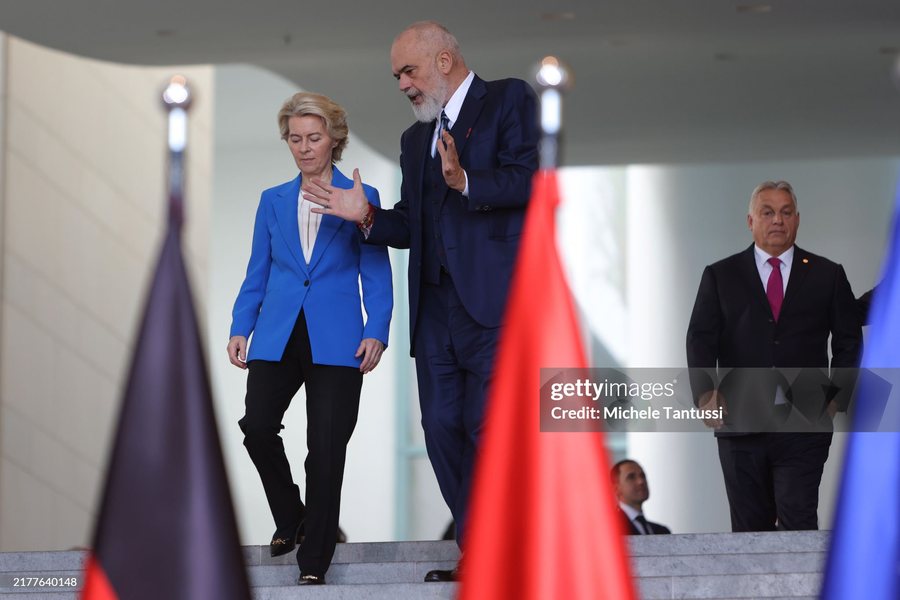
The European Commission is considering taking "strong safeguards" regarding the rule of law in the accession treaties of future members, but among the 27 member states the idea of admitting new countries without giving them full voting rights is gaining ground...
Accepting new members, but without giving them full voting rights for an initial trial period. The latest idea from some European governments is perhaps the clearest evidence of a chronic inability to adapt “rusty” decision-making mechanisms, which no longer meet the needs of a union that is being asked to take on ever greater responsibilities.
"All this shows a certain shortsightedness on the part of the Council when it comes to preparing the EU for a new enlargement," warns Kristof Hillion, professor of European law at the University of Oslo, in this interview.

Analyzing how overcoming unanimity for intermediate decisions in the accession process does not depend on the EU Treaties, but only on the political will of current members, Hilion explains that some states “are for opportunistic reasons willing to ignore the foundations and constitutional principles of the EU.”
What do you think about the idea of removing the veto power for future member states, with the justification of not further burdening the already complicated decision-making process in the European Council?
From the perspective of EU constitutional law, I think this is a problematic idea for several reasons. Essentially, it asks the current candidates - that is, potential future member states - to take on responsibilities that should actually belong to the current member states.
This idea is justified by the desire to prevent the EU's decision-making process from becoming further blocked by the addition of new member states. At the same time, it is based on the assumption that each new member will bring further obstacles, when these obstacles already exist and are not being taken into account.
Essentially, this means sanctioning candidates for something they are not responsible for, namely obstructing existing members through the right of veto. From a rules perspective, it is a bit strange that in an attempt to solve a problem the EU is facing today, we are asking future member states not to exercise what would be their constitutional right under the EU Treaties.
Moreover, this solution would not even address the root of the problem. Hungary, like any other current member state, can continue to put up obstacles wherever and whenever it wants, while making decisions that may be against the interests of the new member states.
Por a mund të jetë ligjërisht e mundur, që BE-ja të ketë anëtarë të ndryshëm me të drejta të ndryshme?
Jo, e gjithë kjo shkel parimin e barazisë së Shteteve Anëtare, të sanksionuar shprehimisht në Nenin 4, paragrafi 2, të Traktatit për Bashkimin Evropian (TBE). Është e vërtetë që disa shtete anëtare gëzojnë disa përjashtime, por në këtë rast do të kishte një ndryshim të konsiderueshëm.
Anëtarët që gëzojnë tashmë disa përjashtime nuk marrin pjesë në procesin e vendimmarrjes dhe as nuk janë të detyruar të ndjekin rregullat e miratuara brenda atij kuadri specifik politik. Por shtetet e reja anëtare që do t’i bashkoheshin BE-së pa të drejtë vetoje, do të vazhdonin t'i nënshtroheshin vendimeve të marra, pa qenë në gjendje të ushtronin plotësisht të drejtat e tyre.
Kjo ngre gjithashtu edhe problemin barazisë për qytetarët e BE-së, e sanksionuar në Nenin 9 të Traktit të BE-së. Nëse vetëm disa shteteve anëtare u mohohet e drejta për të ushtruar fuqitë e tyre të plota - duke përfshirë refuzimin për të nënshkruar një vendim politik - kjo ka pasoja të drejtpërdrejta mbi të drejtat e qytetarëve të këtyre vendeve, sepse ata nuk kanë përfaqësim të barabartë në procesin e vendimmarrjes.
Për shembull, ndërsa qytetarët italianë do të vazhdonin të përfaqësoheshin plotësisht nga qeveria e tyre - e aftë të ushtrojnë të drejtën e vetos - qeveria shqiptare nuk do të ishte në gjendje t'u garantonte qytetarëve të saj të njëjtat të drejta përfaqësimi në Këshill.
Po sikur kjo masë të ishte vetëm e përkohshme, e futur si një dispozitë e përkohshme në Traktatet e Anëtarësimit?
Këtë herë, gjërat janë ndryshe; nuk ka asnjë dyshim për dispozitat e përkohshme që gjenden zakonisht në Traktatet e Anëtarësimit. Kjo sepse qeveritë e shteteve të reja anëtare do të zhvisheshin nga fuqia e tyre vendimmarrëse sa herë që kërkohet unanimitet në Këshill.
Kjo nuk është vetëm çështje fushash specifike, ku nevojiten rregullime dhe tranzicione për ta bërë të mundur zgjerimin, por më shumë një çështje shumë më strukturore dhe dobësuese për kuadrin kushtetues të BE-së.
Kjo qasje është jo proporcionale me problemin që BE-ja po përpiqet të zgjidhë, sepse sanksionon vetëm disa anëtarë dhe jo të tjerët. Dhe përveç kësaj, çfarë lloj zgjidhjeje do të ishte bërja e kësaj masë të përkohshme?
Nëse e marrim seriozisht zgjidhjen e problemit të pengesave në vendimmarrje, privimi i Shqipërisë, Malit të Zi ose çdo anëtari tjetër të ri nga e drejta e vetos për disa vite nuk do t’i pengojë shtetet e tjera anëtare të vazhdojnë ta bëjnë këtë, ashtu siç po bëjnë tani.
Kësaj i shtohet edhe fakti se pas kësaj periudhe kohore, kur anëtarët e rinj të rifitojnë të drejtën e tyre të vetos, rreziku është që kjo fuqi të bëhet edhe më joshëse, veçanërisht nëse ndërkohë vendimet e rëndësishme merren unanimisht pa këto shtete të reja.
Cili është rreziku për procesin e zgjerimit?
The enlargement process, along with reforms of the Treaties, foreign and security policy, and the review of the union's resources, is one of the areas where unanimity is required.
Would we be prepared to deprive new members of the right to fully exercise their power and influence, even if they are full member states of the European Union?
For example, if Albania becomes a member state before Serbia, could Tirana be deprived of the right to express any reservations regarding Belgrade's accession on legitimate grounds, as other EU members such as Croatia, France or Germany could do, simply because the Accession Treaty stipulates that it cannot exercise the right of veto?
If we do not allow new members to influence debates in Brussels, including future enlargements, how legitimate will these European decisions be considered in those member states?
So, by passing the responsibility to future members, are the 27 EU governments avoiding the possibility of overcoming unanimity in the accession process?
Yes, but even in this case the issue is more complicated, and in practice, it does not solve any problems. In the context of enlargement, as in the reform of the Treaties, not only is unanimity required in the Council at a certain point in the process, but also ratification by the member states according to their respective laws.
Therefore, depriving a new EU member of its veto right does not solve the fundamental issue blocking the enlargement process. Any state, with or without a veto right in the Council, can ultimately oppose the process itself to the decision taken by other governments during negotiations with a candidate, precisely by not ratifying the Accession Treaty of the prospective new member. / Prepared by Pamphlet


Pse u ka hipur ne koke BE, BE, BE, gjithe kjo Britani i beri mutin Europes me pislleqet e saj e ju vdiqet aman aman!? Kush qe nje shtet i Europes e i botes qe i ferkoi shpatullat Shqiptareve, pervec thikes pas shpine. Pse kaq te eturapo e kini mendjen ta shisni edhe ate 5 pellembe toke qe na ka mbetur? Le qe e kini shitur, ja tere pallatet e objektet qe ndertohen i kane te huajte qe dihen e nuk dihen. Na kini shpikur edhe barcaleta qe mafia e droges Shqiptare e tra la lara me bisht, per te mbuluar mutrat deri ne gryke qe e kini zhytur vendin. Ku jane kelyshet e Romakeve, Bizantineve, Ottomaneve, Napoloneve e sundimtareve te tjere, ku, ne hale. Vetem te mencurit, dijetaret, artistet e gjenite nuk harrohen e cmohen gjithnje lart e me lart megjithese nuk paten pasuri te tundeshme e patundeshme. Pse jemi kaq popull morracak nga trute, pse?